Is Horseback Riding In Aruba Worth It?
An honest look at whether a horseback ride in Aruba is worth the money, how riding to the Natural Pool works, what it costs, and who it suits best.
Yes, for most visitors who want the Natural Pool without an engine, horseback riding is worth it: the Rancho Loco ride to Conchi costs from $155 per person, runs 3 hours 30 minutes, holds a 4.9 rating from 1,270 reviews, and includes hotel or port pickup plus national park fees. It is slower and pricier than a jeep, quieter, and far easier than the 3 to 4 hour round-trip hike.
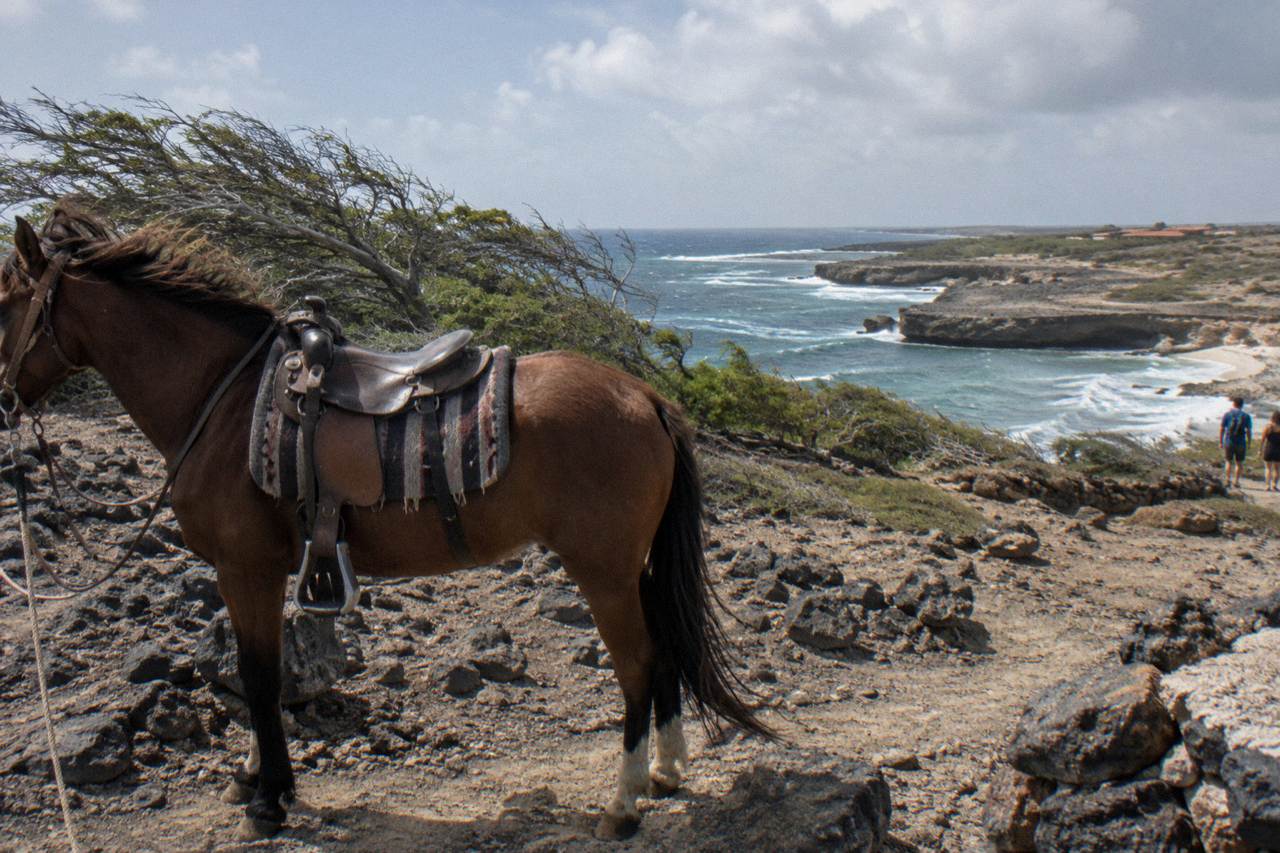
The honest answer depends on what you are buying. Aruba's Natural Pool, the volcanic rock basin the park's official pages call Conchi, sits inside Arikok National Park on the exposed north-east coast. The park's own guidance is blunt about access: you reach it by foot, by horseback or by 4x4, and a regular car cannot go. So the choice of how to arrive is not a small detail, it is the whole decision, and a horse is one of only three doors in.
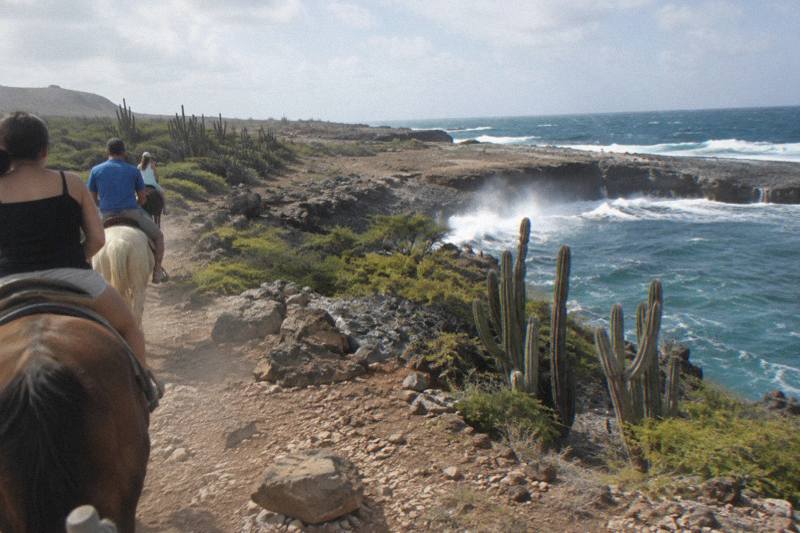
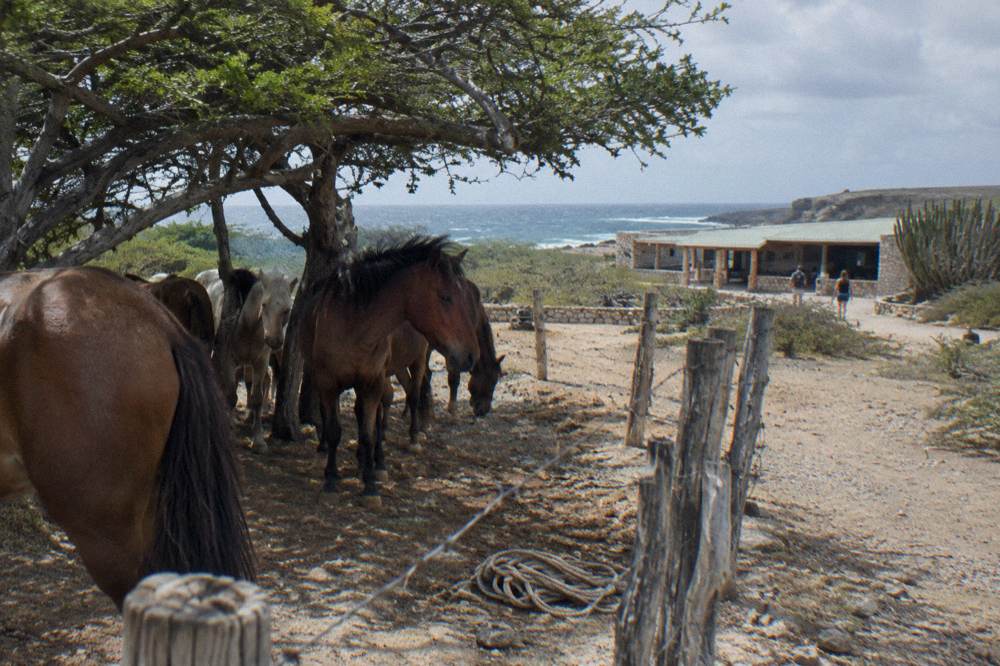
Riding also solves a problem the other two options create. Jeeps are fast but dusty and shared with a group; the hike is free of engine noise but the park states it takes experienced hikers 3 to 4 hours round trip on uneven, rocky terrain. A horse splits the difference: you travel the trail at walking pace, you arrive at the pool with your legs under you, and the ride itself, through cactus scrub and along the coast, becomes part of the day rather than transport. The listing for the Rancho Loco tour describes exactly this shape: a ride from the ranch through Arikok to Conchi with a swim stop built in.
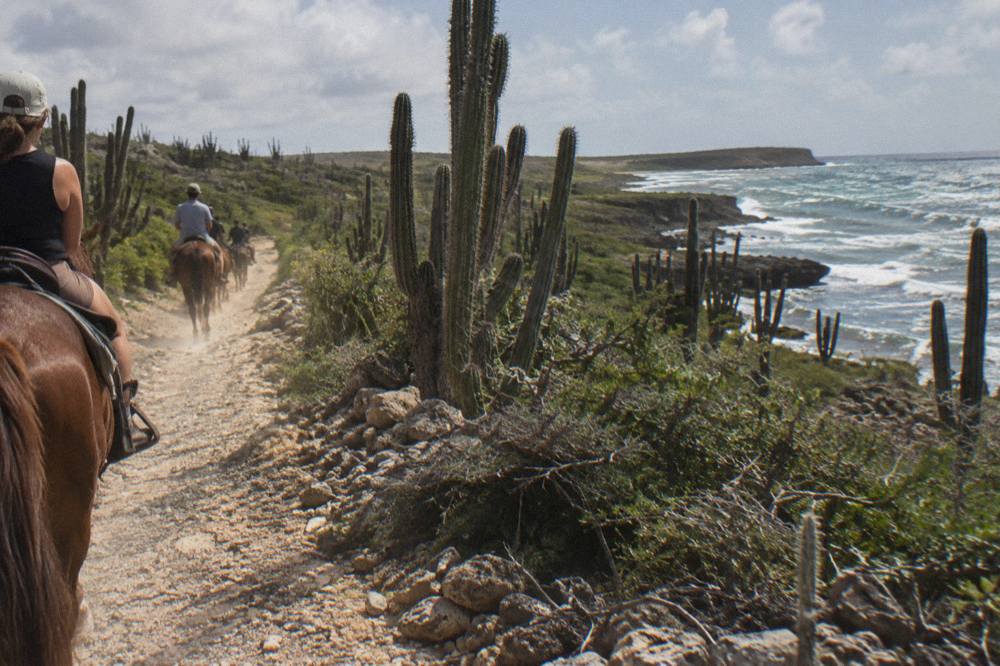
Whether it is worth it also comes down to expectations. If you imagine a full riding lesson and long canters, temper that: guest reviews of the pool rides describe steady walking-pace trail rides suited to beginners, with guides leading the string. If you imagine a slow, scenic approach to a place most visitors see from a jeep window, that is precisely what the listings sell, and the review counts suggest thousands of riders felt they got it.
For a wider view of the riding scene beyond the pool route, including beach rides, the Aruba horseback riding guide covers the full picture. This piece stays on the worth-it question for the Natural Pool ride specifically.
What Does A Horseback Ride To The Natural Pool Actually Include?
The Rancho Loco listing, 4.9 from 1,270 reviews and from $155 per person, includes hotel or port pickup and drop-off, national park fees, bottled water, helmets for riders 12 and under, the swim in the Natural Pool, and a professional guide, over 3 hours 30 minutes. The longer 5 to 6 hour adventure, from $199 per person, adds an air-conditioned vehicle and a jeep section.
Inclusion details matter more here than on most Aruba excursions, because the park is not free. The Aruba Conservation Foundation requires a conservation day pass by law, adults pay USD 22 and children under 17 enter free, sold at the San Fuego Visitor Center and the Vader Piet booth rather than online. On the Rancho Loco listing the national park fees are listed among the inclusions, which means that USD 22 is not a surprise at the gate. Compare that carefully with jeep listings: the Signature Jeep Tour from $78 per person lists the park entrance fee as an exclusion, so its sticker price and the riding price are not measuring the same thing until you add the pass.
The second horseback listing takes a different shape. The Horseback Riding and Natural Pool Adventure, 4.9 from 60 reviews and from $199 per person, runs 5 to 6 hours and reaches Conchi by horseback plus jeep, with 60 minutes at the pool, lockers, helmets, restroom use, snacks, and all fees and taxes listed as included. It suits riders who want a longer day and do not mind trading some saddle time for a vehicle leg.
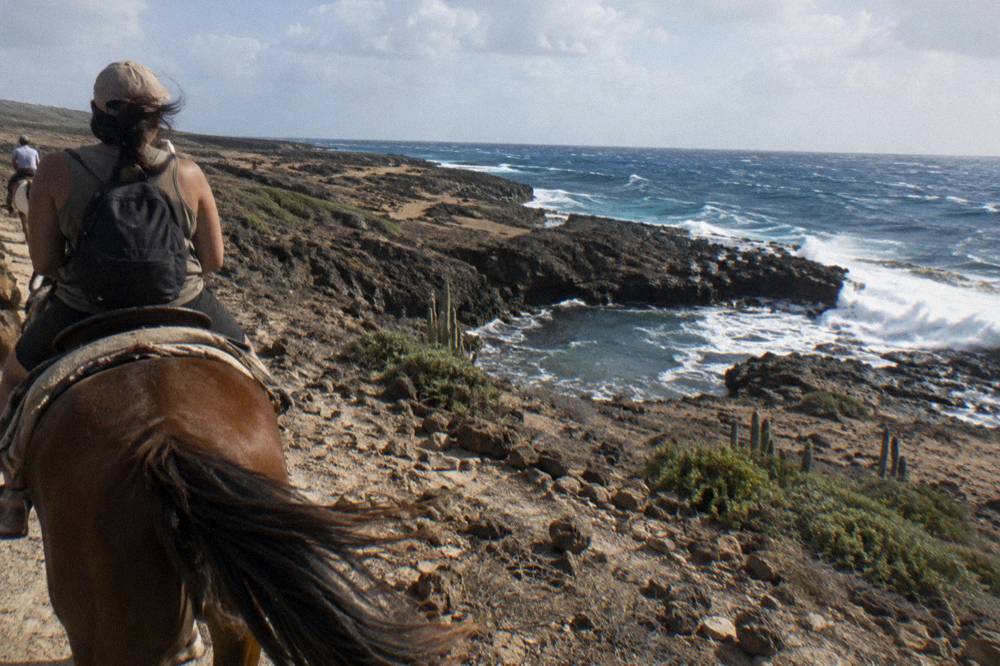
A few practical notes come straight from the tour pages. The Rancho Loco ride lists a maximum rider weight of 220 lbs fully clothed, strictly enforced for the wellbeing of riders and horses, and towels are excluded, so bring your own. Neither tour page mentions a minimum age, so check the tour details or ask the operator before booking children. Free cancellation applies to both, which takes some of the risk out of committing before you know how the sea, and your saddle fitness, are behaving.
Is a ride the right door into the park at all? That question gets a fuller treatment elsewhere on Aruba Natural Pool Tours, including the trail and the jeep alternatives.
How Does Horseback Compare With A Jeep Or The Hike To Conchi?
Horseback sits between the two other access routes on every axis that matters: it is slower than a jeep, cheaper than the top-tier 6 hour UTV combo, gentler than the 3 to 4 hour round-trip hike, and unique in that the travel itself is quiet. The jeep gets you 20 to 45 minutes at the pool; the ride makes the journey the headline.
The three official ways in, per the park's own page, are foot, horseback and 4x4. Here is how the listings here compare across them:
| Route | Listing | Price (from) | Duration | Time at Conchi | Rating |
|---|---|---|---|---|---|
| Horseback | Rancho Loco Horseback Ride | $155 per person | 3 hours 30 minutes | Swim stop listed | 4.9 from 1,270 reviews |
| Horseback plus jeep | Horseback Riding and Natural Pool Adventure | $199 per person | 5 to 6 hours | 60 minutes | 4.9 from 60 reviews |
| Jeep | Signature Jeep Tour | $78 per person | 4 hours 30 minutes | 30 minutes | 4.9 from 1,718 reviews |
| Jeep safari | Arikok National Park Jeep Safari | $95 per person | 5 hours | 20 minutes | 4.9 from 505 reviews |
| Hike | Sunrise Hike & Swim in Natural Pool | $59 per person | 3 hours 30 minutes | Sunrise walk to Conchi | 4.9 from 123 reviews |
Read the table with one caution: duration is the listing's own total, which includes the ride to the park. A 4 hour 30 minute jeep tour is not 4 hours 30 minutes at the pool, and the same logic applies to the rides. What the horseback listings offer instead of long pool time is the approach itself, a trail through the park's protected interior that no vehicle route replicates.
Still weighing whether the pool justifies any of these prices? The long-read answer is in is the Natural Pool in Aruba worth it, which works the same question across every access route.
What Should First-Time Riders Know Before Booking?
First-timers should expect a walking-pace trail ride, not a riding lesson: the Rancho Loco listing includes helmets, mandatory for riders 12 and under, states a 220 lbs fully clothed weight maximum that is strictly enforced, and excludes towels. Helmets, bottled water, the guide and the swim stop are included; bring your own towel, sunscreen and water shoes.
The pool itself rewards that preparation. The park's official page describes uneven terrain, rocky paths and steep natural stone steps at Conchi, says the site is not wheelchair accessible, and strongly recommends water shoes for the sharp volcanic rock. Dismounting after an hour and a half in the saddle onto loose rock is a different proposition than stepping off an air-conditioned jeep, so closed-toe shoes that can get wet earn their place in your bag. No facilities exist at the pool itself, though a small snack and refreshment stand is often available at the top of the stairs during the day.
Swimming is the part no operator can promise. The official guidance is that swimming is only safe when ocean conditions are calm, that surf can crash over the rocks and conditions change quickly, and that rangers and operators decide on the day. The listings describe the swim in the pool as an inclusion, but the honest framing is: the ride is guaranteed, the dip depends on the sea. Riders who accept that up front rarely report disappointment.
The 5 to 6 hour adventure listing is the pick for riders who want less saddle time per hour of excursion. It includes an air-conditioned vehicle, lockers, restrooms and snacks alongside the horseback and jeep sections, which softens the day for nervous riders or families juggling gear.
One rider-limit note that first-timers ask about constantly: the weight maximum on the Rancho Loco line is the only limit stated on any listing covered here. Other ranches on the island set their own limits and ages, and those are the operator's rules, so check the listing or ask before booking rather than assuming.
When Is The Best Time Of Day To Ride?
Morning rides are the practical answer: Aruba's official climate normals show sustained moderate to fresh easterly winds year-round and mean wind speeds peaking in June, and the park's entrance hours close mid-afternoon, with the San Fuego Visitor Center open daily 8:00 to 3:30 and Vader Piet closing at 3 pm. Early seats beat both the heat and the clock.
The wind data is worth taking seriously on horseback specifically. These are airport figures from the south-west side, not north-coast readings, but the pattern holds: the freshest mean winds fall in the middle of the year, and the calmest month is November. An exposed trail ride along the north-east coast in strong easterlies is a different experience from a still morning, and the same goes for the sea state at the pool, where the official wording is simply that conditions change quickly and rangers decide on the day.
The park clock matters as much as the weather. Passes are sold only at the two entrances, not online, and the San Fuego Visitor Center opens daily at 8:00 with ticket sales closing at 3:30. A ride that finishes its trail leg in the late morning reaches the pool while there is still a full window to swim, snorkel and climb back out. Sunset riding exists on the island for beach routes, but for Conchi the structural answer is: go early, because the park closes around you.
Heat is the third reason. Rainfall normals show the dry season running roughly February through June, with rain showers usually falling in the early morning hours during the wetter September through January stretch. Horses, riders and rocky trails all behave better before the midday sun, and the operators that run morning departures are not being sentimental about it.
So Is The Saddle Worth The Price?
For a visitor whose main goal is the Natural Pool, the math favors the saddle if the journey matters as much as the destination: from $155 per person with park fees and pickup included, the ride removes the dust, the crowds of a shared jeep and the cardio of the hike. If the pool is a checkbox, the jeep from $78 per person does the job for roughly half the outlay.
Split it by traveler. Families with children over the stated limits tend to report the best value on horseback, because the ride holds a child's attention in a way a bumpy track does not, and helmets for 12 and under are listed. Confident, fit travelers who want maximum scenery per dollar do better on the sunrise hike from $59 per person, accepting a meeting point with no transport. Anyone prioritizing comfort, speed or a tight schedule, including cruise passengers watching an all-aboard time, should check your ship's schedule and lean toward the jeep listings, several of which state port pickup.
The riding day is also the quieter claim on the park. Arikok spans 34 square kilometers of protected nature area, and its rules, a 20 km/h speed limit, stay on park roads, drones prohibited, no littering, protect an interior that vehicle routes cross quickly. A horse moves at the pace the rules imagine, and riders see the cactus, the rock formations and the coast at a scale the jeep window flattens. The Aruba Conservation Foundation manages the park, and its day-pass requirement, adults USD 22, children under 17 free, applies whichever way you arrive; the official advice is to check the park's own page for the current price.
For riders whose real question is the pool rather than the horse, the signature jeep tour comparison lays out the vehicle side, and the park's official page on the Natural Pool states the access rules verbatim. Riding is not the cheapest door into Arikok. It is the one that treats the way in as part of what you paid for, and the review counts on the pool rides suggest plenty of riders think that is exactly where the worth lies.
Whatever door you choose, one rule binds them all: the swim is decided on the day by the sea. Book the ride for the ride, treat the pool as the bonus, and the price starts making sense.
Common Questions About Horseback Riding In Aruba
Is Horseback Riding In Aruba Worth It?
For most visitors aiming at the Natural Pool, yes: from $155 per person the Rancho Loco ride includes pickup, park fees and a swim stop, holds 4.9 from 1,270 reviews, and replaces a dusty jeep track with a quiet trail. If the pool itself is your only goal, a jeep from $78 per person reaches it for less.
Can You Ride A Horse To The Natural Pool In Aruba?
Yes. The park's official page lists horseback as one of the three ways in, alongside foot and 4x4. The Rancho Loco listing rides from the ranch through Arikok National Park to Conchi with a swim stop, 3 hours 30 minutes total, from $155 per person.
Is There A Weight Limit For Horseback Riding In Aruba?
The Rancho Loco listing states a maximum rider weight of 220 lbs fully clothed, strictly enforced for the wellbeing of riders and horses. Other ranches set their own limits; check the listing or ask the operator before booking.
Do Children Need Helmets On The Ride?
On the Rancho Loco listing, helmets are mandatory for riders 12 and under and included, as are bottled water and the guide. The listing does not state a minimum age, so confirm ages with the operator.
Is The Park Entrance Fee Included In The Ride Price?
Yes on both horseback listings covered here: the Rancho Loco line lists national park fees among its inclusions, and the 5 to 6 hour adventure lists all fees and taxes. The official pass itself costs USD 22 per adult, children under 17 free, sold only at the park entrances.