What To Bring And Wear To The Natural Pool
The Natural Pool sits on sharp volcanic rock at the end of a rough track inside Arikok National Park, with no facilities at the water itself. What you wear and carry decides whether the visit is a swim or a scrape.
Short answer
Wear water shoes or grippy closed-toe sandals, a swimsuit under quick-dry clothes, and bring reef-safe sunscreen, a hat, one to two liters of water per person, a towel and a dry bag. The pool has no facilities beyond a snack stand that is often at the top of the stairs. An Arikok day pass costs USD 22 per adult.
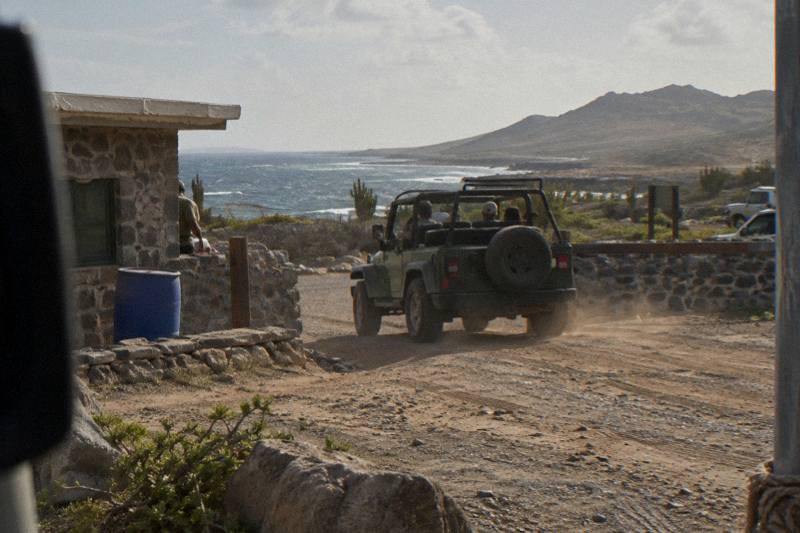
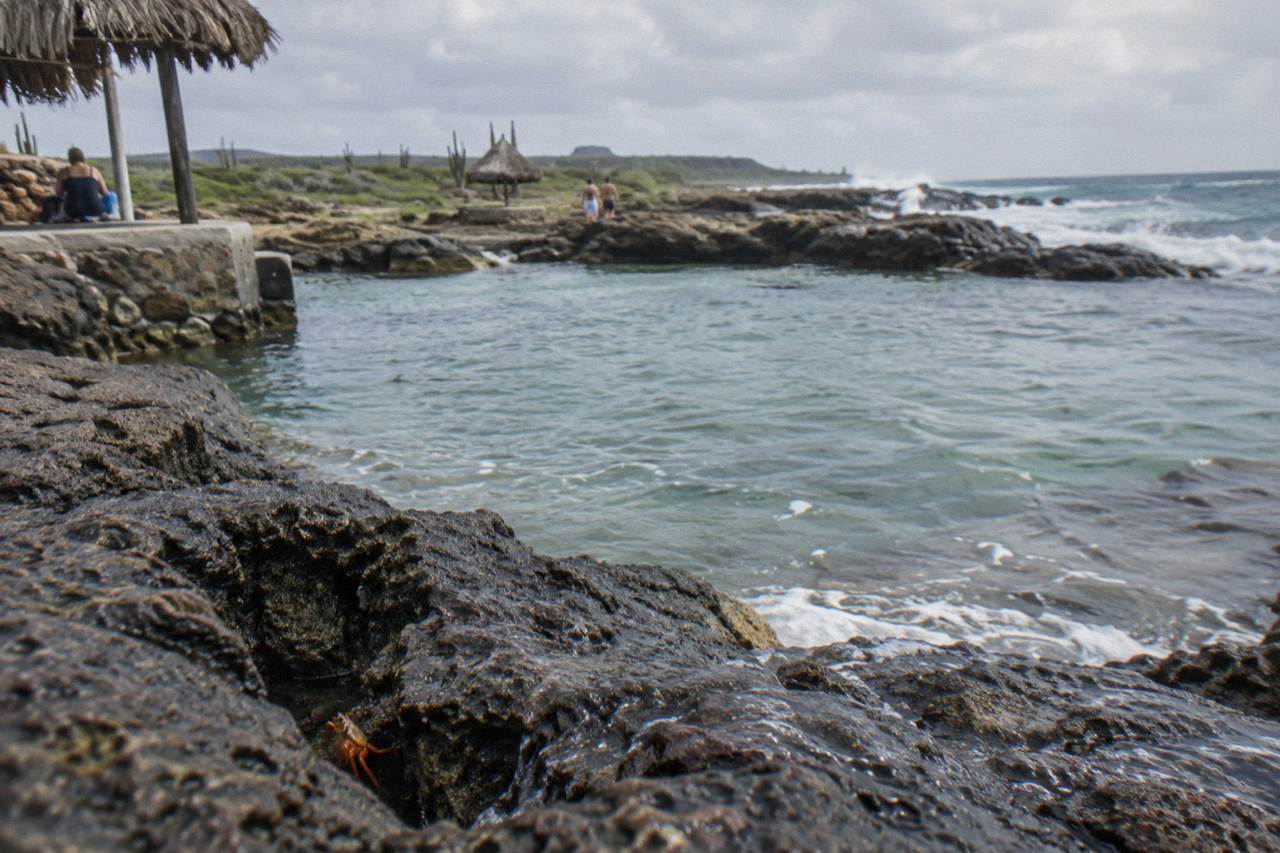
The Natural Pool, known locally as Conchi, is a small volcanic basin on Aruba's north-east coast inside Arikok National Park, reached by foot, horseback or 4x4 over a rough track that ordinary rental cars may not drive. The park's own page describes volcanic rock circling the pool, surf spraying over the rim as the tide rushes in, and limited facilities at the site itself. That combination, sharp rock, open sun, salt spray and no services at the water, makes packing a genuine part of the trip rather than an afterthought.
Most visitors arrive on a guided product. The Aruba Natural Pool Tours comparison covers the full range, from the Signature Jeep Tour: Natural Pool and Baby Beach at from $78 per person, 4.9 from 1,718 reviews, to sunrise hikes and horseback rides, and each of those shapes your bag differently. A jeep tour that drives into Arikok and gives you 30 minutes at Conchi calls for one kit; a 3.5-hour sunrise hike along the north coast calls for another.
This guide works through the sub-questions a reader actually asks: what shoes, what to wear in the water, what goes in the day bag, what the tours already supply, and how the park pass and the weather change the picture.
What Shoes Should You Wear To The Natural Pool?
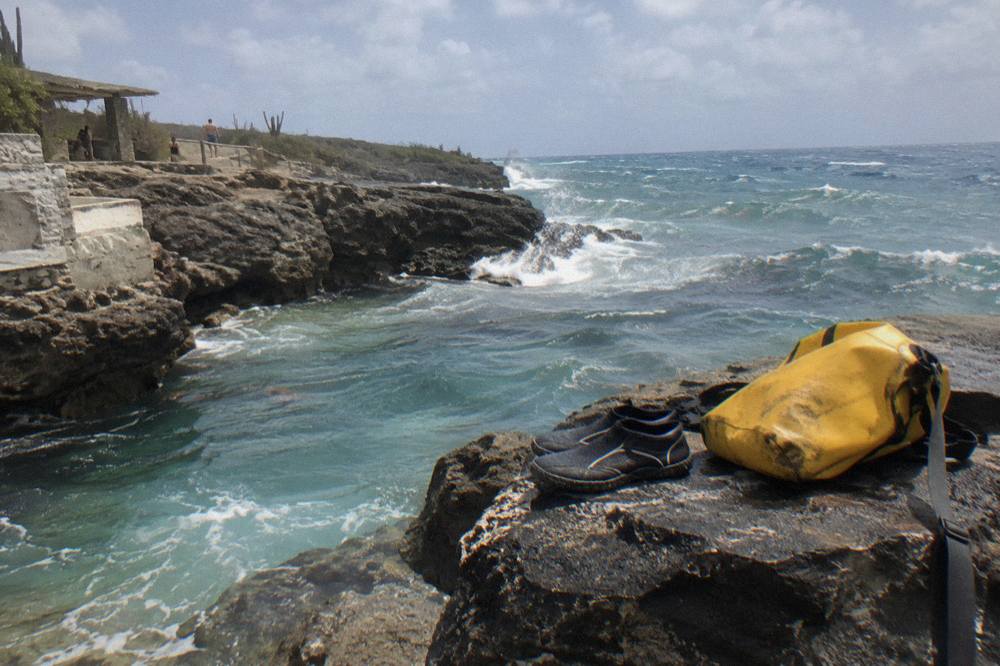
Water shoes are the single most important item for Conchi, and the official Aruba tourism page for the Natural Pool strongly recommends them. The pool is ringed by sharp, uneven volcanic rock that is slippery when wet, and the paths around it involve steep natural stone steps. Flat sandals, flip-flops and bare feet are the combinations most likely to end a swim early.
The rock is the whole story here. Conchi is a depression in volcanic stone, and the tourism authority's description of the site notes uneven terrain, rocky paths and steep natural stone steps, plus the fact that the pool is not wheelchair accessible and needs moderate physical ability. Walking from wherever your vehicle stops down to the water means crossing that rock, and wet rock near the rim is where most slips happen. A shoe with a grippy sole and a closed toe does the job; several jeep listings on this site, such as the Noord Arikok National Park Jeep Tour, even list water shoes as an included item, which tells you how standard the expectation is among operators.
Choose by activity. If you are riding in on a shared jeep safari and spending 30 to 45 minutes at the pool, water shoes you can swim in are ideal, since you can walk in, swim, and walk out without changing. If you are hiking in, wear light closed-toe walking shoes for the trail and carry the water shoes strapped to your bag, swapping at the rim. Horseback riders should wear closed-toe shoes with a heel or a firm sole for the stirrups and bring the water shoes along for the swim stop, which the Rancho Loco horseback listing explicitly includes.
| Activity | Footwear for the approach | Footwear at the pool | Why |
|---|---|---|---|
| Shared jeep safari | Water shoes or grippy sandals, worn all day | Same pair, swim in them | Short walk from the vehicle over rock |
| Sunrise or half-day hike | Light closed-toe walking shoes | Water shoes, swapped at the rim | Trail is uneven before the rock starts |
| Horseback ride | Closed-toe shoes with a firm sole | Water shoes carried in the bag | Stirrup safety, then a swim stop |
| Private 4x4 tour | Whatever you like in the vehicle | Water shoes for the steps | Rock starts at the parking spot |
One practical note: cheap pool slides with no tread are close to useless here, and going barefoot is genuinely risky on the approach described above. Broken-in water shoes with a real sole are a small purchase that protects the whole day. Our footwear and swimming safety overview covers the conditions side of the same question.
What Should You Wear Swimming At Conchi?
Wear a swimsuit under quick-dry clothing, with a rash guard or a light long-sleeve top for sun, and expect spray even if you never swim. The official description of Conchi notes that surf sprays over the rock as the tide rushes in, so anything cotton stays heavy and cold. Swimming is only safe when ocean conditions are calm, and rangers and operators decide on the day.
A swimsuit worn on arrival is the simplest solution, because it removes any changing problem entirely: there are no changing rooms at the pool. Over it, a loose dry shirt for the ride and the walk works better than street clothes, which hold dust on the unpark track and take hours to dry after spray. The Signature Jeep Tour, for example, lists its inclusions as an experienced driver-guide and refillable ice water only, so clothing and towel are entirely yours to bring.
Sun coverage matters more than people expect, and the climate data explains why. Aruba sits in the Southern Caribbean Dry Zone with sustained moderate to fresh easterlies, and the airport station's normals show mean wind speeds peaking in June at 8.8 meters per second. Wind masks how much sun you are absorbing on an open rocky shoreline with no shade, and a hat that stays on in that breeze, a strap or a tight fit, beats a broad brim that flips constantly. Those airport figures describe the south-west of the island, not the north coast itself, but the breeze on an exposed shore is stronger, never weaker.
A few specifics worth carrying into the water: a rash guard doubles as sun protection while swimming, since sunscreen washes off in a basin that refills with every tide. A dry bag protects a phone for photos from the rim, which is where the best angle of the pool is, looking down into the bowl. And a towel lives in the vehicle rather than on your back during the walk down; the ride out is dusty enough that a damp towel in a plastic bag is the better order of operations.
What Should You Pack In Your Day Bag?
Pack one to two liters of water per person, reef-safe sunscreen, a hat, sunglasses, a towel, a small dry bag, any medication you need, and cash or a card for the park pass. Conchi has no facilities at the water beyond a small snack and refreshment stand that is often, but not always, at the top of the stairs during the day. Everything else, shade, changing rooms, lockers, food, you carry in or do without.
Water is the item people get wrong. The walk and the swim happen in open sun on dark rock that radiates heat, and while many tours supply bottled water or ice water, not all do, and the amounts vary. The Signature Jeep Tour's listing describes its water as a refill in the spirit of keeping tours environmentally friendly and asks guests to bring their own canteen; the Baby Beach Jeep Adventure lists bottled water plus snacks; the Sunrise Hike and Swim listing lists snacks and snorkel gear but no drinks at all. Read your own listing's inclusions line before deciding how much to carry, and when in doubt, carry your own.
| Item | Bring it because | Notes for Conchi specifically |
|---|---|---|
| Water, 1 to 2 liters per person | No reliable water source at the pool | Refillable bottle; some tours refill ice water |
| Water shoes | Sharp, slippery volcanic rock | Officially recommended by the park's tourism page |
| Reef-safe sunscreen | Open sun, no shade on the rock | Apply before the walk down; reapply after swimming |
| Hat with a strap or tight fit | Fresh easterly winds year round | Brimmed hats flip in the breeze |
| Towel | No rentals or facilities | Keep it in the vehicle for the dusty ride out |
| Small dry bag | Spray over the rim, splash at the stairs | Phone and keys only |
| Snacks | A stand is often but not always present | Tours that list snacks cover this |
| Cash or card | Park pass is bought at the entrance, not online | USD 22 per adult, under 17 free |
Two omissions from the list are deliberate. Snorkel gear appears on many jeep and hike listings as an included item, including the Caves Jeep Tour, the Baby Beach Jeep Adventure and the Arikok Jeep Safari, so check before buying or packing your own; only pack a mask if your listing does not mention one. And leave single-use plastic bottles behind if you can: the refill culture on these tours is genuine, and the park's rules sign prohibits littering outright.
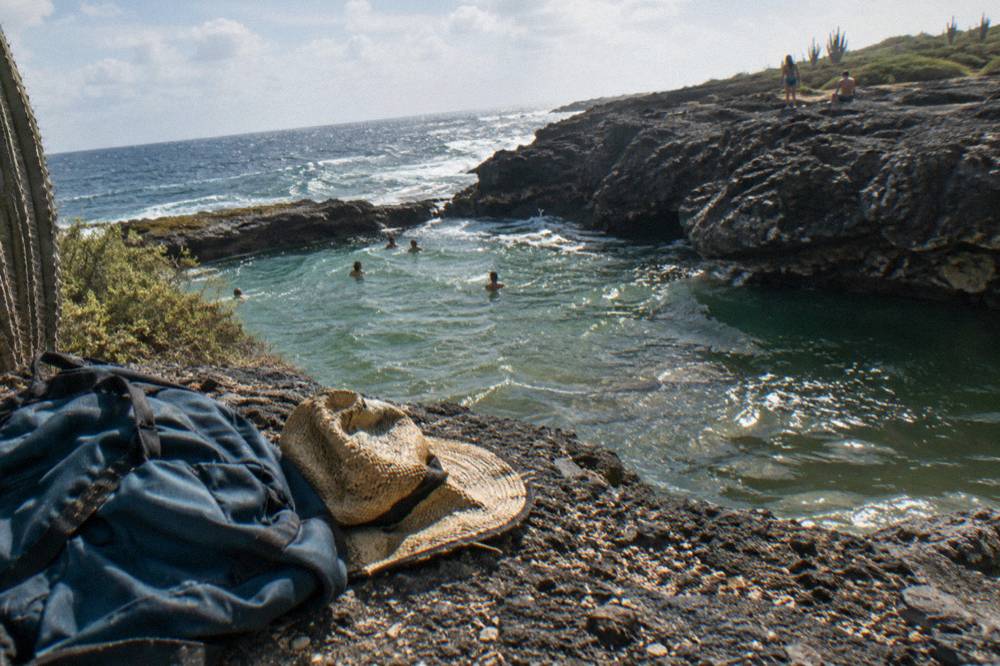
For hikers the bag is bigger and the stakes higher. The hiking guide to the Natural Pool covers the routes in detail, but on packing: the experienced-hiker estimate for reaching Conchi on foot is a 3 to 4 hour round trip, which puts water, salty snacks and blister care on the list, not just sunscreen.
What Do The Tours Already Provide?
Tours vary sharply in what they hand you, and the listing's own inclusions line is the only reliable source. Some jeep safaris include the Arikok entrance fee, bottled water and snorkel gear; the Signature Jeep Tour lists only a driver-guide and refillable ice water, with goggles and dust masks sold separately and the park entrance fee excluded. Reading one listing before packing saves carrying duplicates of everything.
The pattern across the listings covered here is genuinely mixed, and that is the point of comparing. A handful of tours, the Arikok Jeep Safari at from $95 per person, and the National Park Arikok Jeep Safari Adventures at from $109 per person, list the park entrance fee as included, which removes the USD 22-per-adult question from your day entirely. Others, including the Signature Jeep Tour and the UTV Adventure with Jeep Transfer, list the entrance fee as an exclusion. Neither arrangement is better; they are just different bases for the sticker price, and our cost breakdown for the Natural Pool compares them line by line.
| Listing (decision name) | Price basis | Drinks listed | Snorkel gear listed | Park fee |
|---|---|---|---|---|
| Signature Jeep Tour | from $78 per person | Ice water, refill, bring a canteen | Not listed | Excluded |
| Baby Beach Jeep Adventure | from $89 per person | Bottled water | Included | Included |
| Arikok Jeep Safari, 5 hours | from $95 per person | Bottled water and snacks | Not listed | Included |
| Fofoti Arikok Park Jeep | from $98 per person | Iced water, water shoes | Goggles, bandana listed | Included |
| Sunrise Hike and Swim | from $59 per person | Not listed | Included | Excluded; budget for the official $22 adult pass |
| Rancho Loco Horseback Ride | from $155 per person | Bottled water | Swim stop listed | Included |
Note the sunrise hike line: that listing's own exclusion text quotes a different park-fee figure than the official one. The park's own price is USD 22 per adult, children under 17 free, and the park asks you to check its own page for the current price, so treat any tour-listing fee amount as a detail to verify rather than a fact. The Arikok Jeep Safari at 4.9 from 505 reviews, driving into the park by open-air safari truck with about 20 minutes at Conchi, includes the entrance fee, water, snacks and a local guide, which makes it one of the lighter bags on this list to pack for.
Do You Need Sunscreen And A Hat At Arikok?
Yes, and reef-safe sunscreen specifically, plus a hat that survives wind. Aruba's official climate normals place the island in a semi-arid dry zone with fresh easterlies, cloud cover at its lowest in February, and rain concentrated early in the morning, so the default day at Conchi is bright, breezy and dry with no shade on the rock. Sun protection is not seasonal here, it is structural.
The climate record from Aruba's meteorological service, measured at the airport station on the south-west side, shows the dry season running roughly February through June and the rainy season roughly September through January, with rain showers usually falling in the early morning hours. November and December are the wettest months on the normals, at 87.1 and 80.1 millimeters respectively, and February and March the driest, at 19.5 and 10.0 millimeters. Even those wet months are mostly bright days with an early shower, so the packing logic barely changes across the year: sun kit always, a light rain layer only in the September to January stretch.
The wind changes your hat choice more than your sunscreen choice. Mean wind speeds run between 5.6 and 8.8 meters per second in every month of the year, always from about the east, and an exposed volcanic shoreline offers nothing to hide behind. A cap or a strapped hat works; a wide beach hat becomes a kite. Sunglasses with a retainer cord earn their space for the same reason, particularly on the open-air safari trucks and 4x4s, where the ride itself is dusty enough that one listing, the Outback Safari Jeep Tour, hands out a bandana to reduce debris exposure.
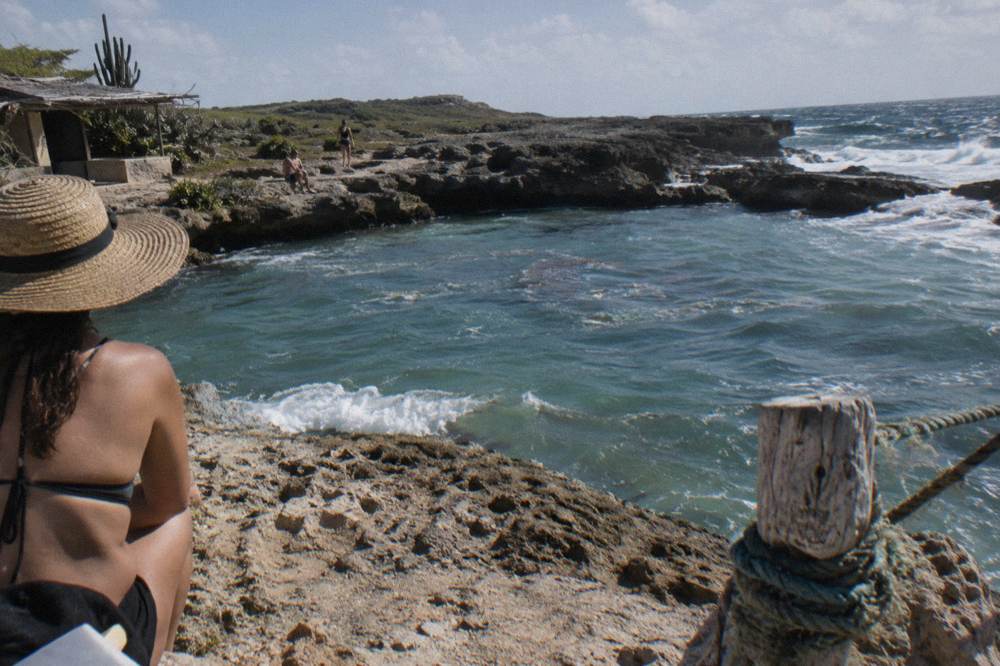
Reef-safe formulation matters at Conchi specifically because the pool is a closed basin that exchanges water with the ocean over the rim rather than through a stream, and swimming is described by the park's own pages as a calm-water activity in the basin. Whatever is on your skin when you swim is in that water shortly after. Apply sunscreen before the walk down, when your skin is dry, and let it absorb, then reapply after any swim.
How Much Should You Budget Beyond The Bag?
Plan for the USD 22-per-adult Arikok conservation day pass unless your listing includes it, plus anything you buy on the day such as goggles or a dust mask on tours that sell them. Children under 17 enter the park free, and there is no separate Natural Pool fee on the official pages: the one park pass covers the route. Tours list free cancellation, so a booked seat carries little financial risk while you finalize packing.
The pass is the one cost that applies to nearly every independent visit. It is required by law to enter the park, per the foundation's rules, and it is bought in person at the two entrances rather than online, which is why cash or a working card belongs in your day bag. If your listing includes the entrance fee, and several jeep safaris on this site do, that line disappears from your budget. The full Arikok tickets and fees guide walks through the details.
On-site purchases are minimal by design. The park's own description of the Natural Pool mentions a small snack and refreshment stand that is often available at the top of the stairs during the day, which is a nice backup but not a plan; the Signature Jeep Tour's listing offers goggles and dust masks for purchase, which suits its open 4x4 format; and the horseback listings mention towels as excluded, so bring your own. Nothing at the pool rents gear.

For hikers packing on a budget, the Half Day Hike at Arikok National Park and Snorkel, 5.0 from 39 reviews at from $115 per person, includes water and fruit, snorkel gear, the Arikok entrance fee and private transportation, leaving you to bring only shoes, sun kit and swimwear. That is about as short as a Conchi packing list gets on this site.
What Should Horseback Riders And Hikers Bring?
Horseback riders need closed-toe shoes for the stirrups, long shorts or trousers for the saddle, and their own towel, which the Rancho Loco listing explicitly excludes; the one weight limit on this site's listings, 220 lbs fully clothed and strictly enforced, applies to that horseback tour. Hikers need the water-and-blister kit above plus a head start on the sun, since the round trip on foot is a 3 to 4 hour effort for experienced hikers.
The horseback listings reward careful reading. The Rancho Loco ride, 4.9 from 1,270 reviews at from $155 per person, includes hotel or port pickup, park fees, bottled water, helmets that are mandatory for riders 12 and under, and the swim at the pool, while listing gratuities and towels as exclusions. The longer Ranch Horseback ride at 5 to 6 hours, from $199 per person, adds air-conditioned vehicle transport, all fees and taxes, lockers and restroom use, and snacks, which effectively shortens your bag again. Helmets being provided means you leave yours at home; towels being excluded means you bring one.
Hikers have the longest list on this page and the most self-reliant day. The sunrise hikes exist partly to dodge the midday heat: the Budget Sunrise Hike and Swim, from $59 per person with no transport provided, walks the north coast to Conchi at dawn, listing snacks and snorkel gear but no drinks and no pickup, so water, shoes and a plan for getting to the meeting point are all yours. The version with transportation, from $110 per person, includes the Arikok entrance fee, a private guide, water and fruit. Whichever you choose, the pool-access rule is the same: you arrive on foot, so everything you want at the rim, you carried.
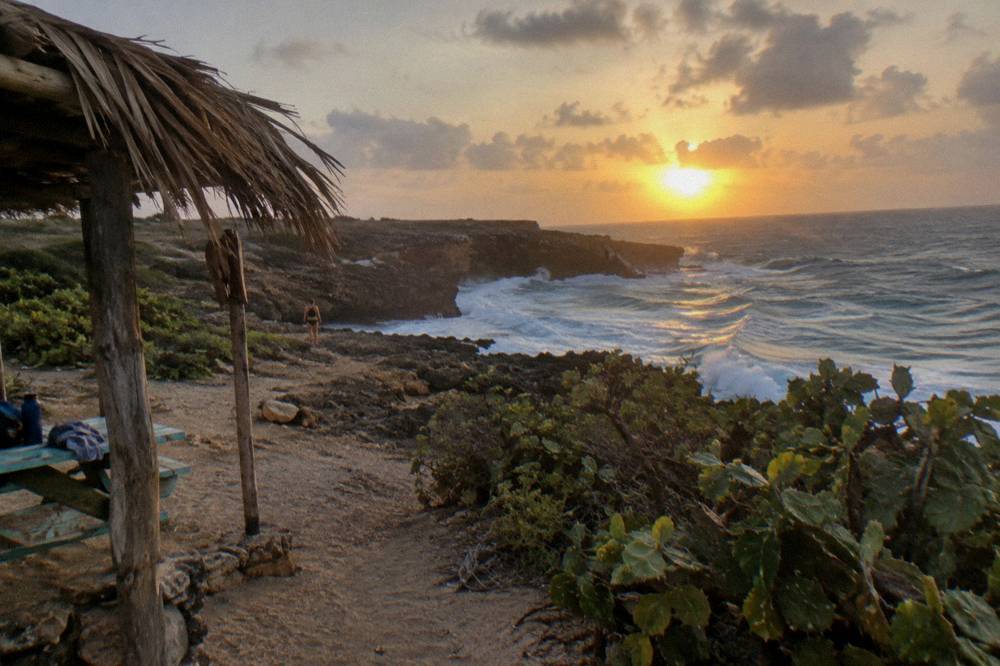
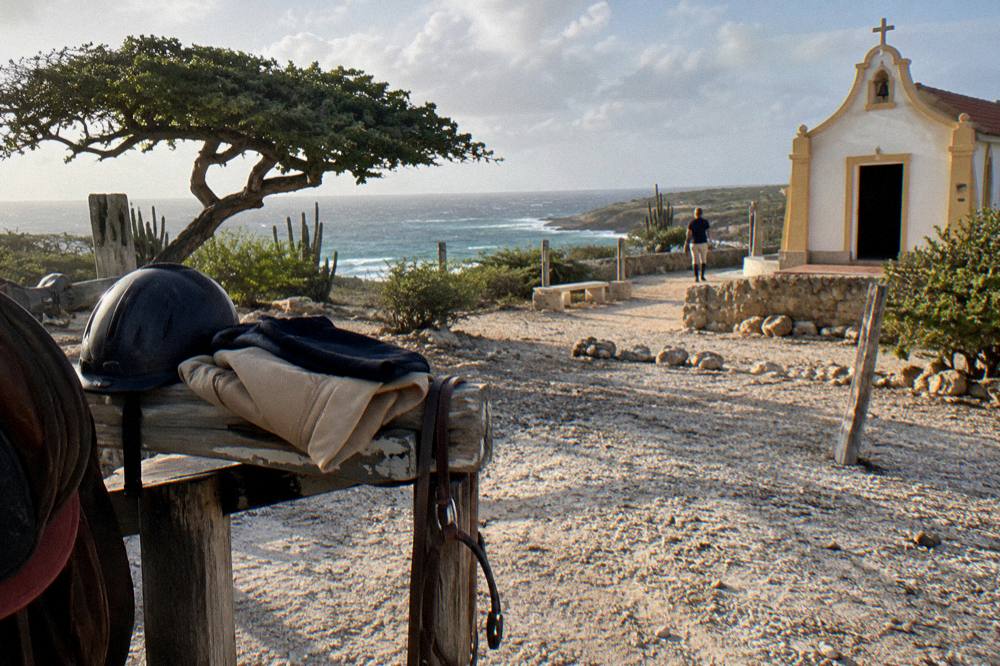
A crossover note for readers weighing a UTV or ATV ride: those vehicles are banned inside Arikok National Park, so a UTV tour is a north-coast ride outside the park and not a way to reach Conchi. The one exception on this site is the UTV Adventure with Jeep Transfer, which reaches the pool by a guide-driven jeep for the final section into the park, and its listing excludes the Arikok entrance fee, so budget the pass separately. If the Natural Pool is the goal, the way in is a jeep, a horse or a hike, and the packing list above applies.
What Should Cruise Passengers Pack For A Pool Stop?
Cruise passengers should pack the same core kit, water shoes, sun protection, a compact towel and a dry bag, because the constraints at Conchi are identical, and choose a listing that names port or cruise terminal pickup on its own line. Do not assume any tour fits a ship's schedule by clock time; check your ship's all-aboard time against the listing's stated duration before booking anything.
The listings that name cruise departure points on their own lines include the Caves Jeep Tour, which departs Aruba hotels and the cruise terminal at from $87 per person, 4.8 from 243 reviews, with about 45 minutes at Conchi and a driver-guide who speaks English and Spanish; and the Baby Beach Jeep Adventure, from $89 per person, which lists free hotel and port pickup and drop-off. Both list bottled water; neither lists a meal, so a snack from the ship belongs in the bag if the excursion runs across a mealtime. The Natural Wonders Caves and Natural Pool Jeep Tour covers caves as well as the pool, packing snorkel gear and snacks on the vehicle.
Space is the cruise-specific variable. You are working from a cabin, so favor compact items: a packable towel over a terrycloth one, a collapsible water bottle, sample-size reef-safe sunscreen. Ship days in port vary, so confirm the day's schedule rather than assuming a pattern, and remember the pass is bought at the park entrance with a card or cash, which your tour may or may not cover.
One last cross-check before you zip the bag: swimming at Conchi is only safe when ocean conditions are calm, conditions can change quickly, and rangers and operators make the day-of call. Pack as if the swim might happen, and treat it as a bonus if the sea says no. Check availability on the Signature Jeep Tour's live listing if you want the rough driving, the track and the guide handled for you.
If you would rather compare the three formats side by side, the Signature Jeep Tour, the Baby Beach Jeep Adventure and the Rancho Loco horseback ride cover the price and style range for getting to the pool with someone else doing the planning.
Common Questions About Packing For The Natural Pool
Do You Need Water Shoes At The Natural Pool?
Yes, water shoes or grippy closed-toe sandals are strongly recommended by the official tourism page for the site. The pool is surrounded by sharp, uneven volcanic rock with steep natural stone steps on the approach, and the rock is slippery when wet.
Is There Anywhere To Buy Food Or Drinks At Conchi?
The park's own description notes a small snack and refreshment stand that is often available at the top of the stairs during the day, but it is not guaranteed. Carry one to two liters of water per person and a snack, and check whether your tour's listing includes bottled water or snacks.
Should You Bring Your Own Snorkel Gear?
Only if your listing does not include it. Many jeep and hike listings on this site list snorkel equipment as an inclusion, including the Baby Beach Jeep Adventure and the sunrise hike. Read your own listing's inclusions line before packing a mask.
What Should You Wear On A Jeep Tour To The Pool?
A swimsuit under quick-dry clothes, water shoes, a hat that stays on in wind and a layer for spray. The rides into Arikok are open and dusty; one operator hands out bandanas and another lists goggles for purchase, so light clothing you do not mind getting dusty is the right call.
Do You Need Cash For The Natural Pool?
The Arikok conservation day pass costs USD 22 per adult, children under 17 free, and is sold only at the San Fuego Visitor Center and the Vader Piet booth, not online. Bring a card or cash for it unless your tour listing includes the entrance fee.
Can You Bring A Drone Or A Dog To Arikok?
No. The park's official rules sign prohibits drones and prohibits dogs, cats and other domestic animals, alongside littering and rock stacking, with a 20 km/h speed limit on park roads.