Can You Swim In The Natural Pool? Waves, Closures And Safety
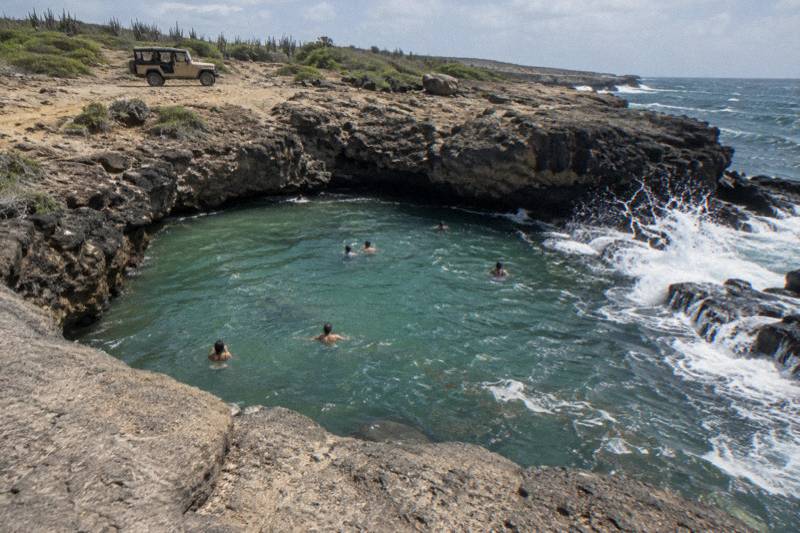
Yes, people swim at Conchi, the Natural Pool inside Arikok National Park, but only when the ocean is calm. The volcanic rim shields a small basin from the open sea, and when swells rise, waves crash straight over the rocks and the pool closes to swimming.
Short answer
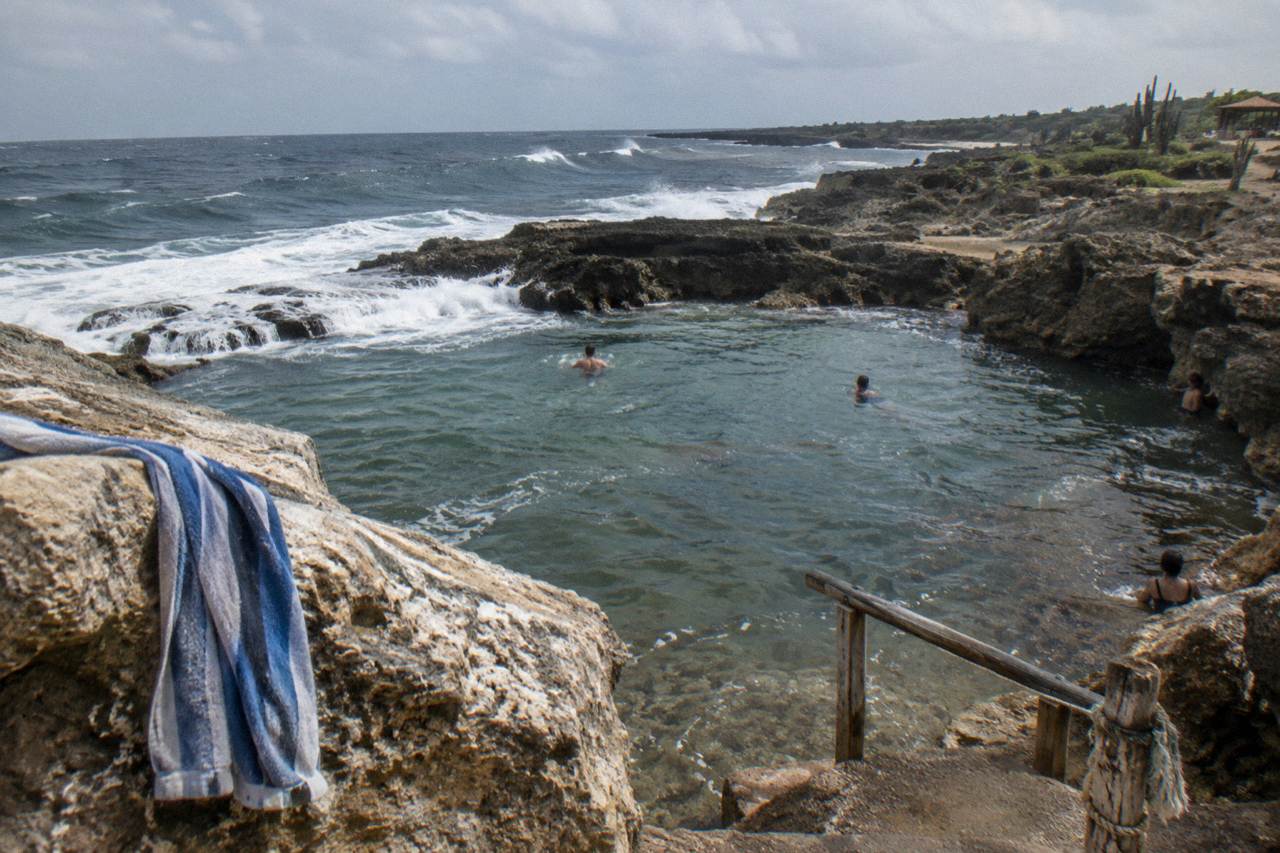
Yes, you can swim in the Natural Pool in Aruba, but only when ocean conditions are calm. Rangers and tour operators decide on the day by sea conditions, and the pool closes to swimming when waves wash over the volcanic rim. Water shoes are strongly recommended, there are no real facilities at the pool, and an Arikok day pass costs USD 22 per adult.
Yes, you can swim in the Natural Pool in Aruba, and that is exactly what most visitors come to do. The pool, known locally as Conchi, sits inside Arikok National Park on the north-east coast, where volcanic rock circles a small depression and, on calm days, holds a basin of relatively quiet water that the official Aruba tourism page describes as a place to swim and snorkel. The same page is blunt about the limits: swimming is only safe when ocean conditions are calm, waves can crash over the rocks, and conditions can change quickly. Everything in this guide hangs off that one fact.
The honest answer has three parts. First, the pool is swimmable on many days and tour listings across the island sell the swim and snorkel stop as the centerpiece of the trip. Second, whether it is swimmable on your day is not a question of season or luck but a decision made on the day by rangers and operators reading the sea. Third, the rocks are sharp, the terrain is uneven, and there are almost no facilities, so what you wear and bring matters as much as the forecast.
We compared the tours listed on this site, the park's own rules, and the official Aruba pages on the pool and on Aruba Natural Pool Tours as a topic, and this guide pulls that together for a swimmer deciding whether and with whom to go. If you want the short version of who fits what, the trip picker on the homepage covers it; here we go deep on the water itself.
Can You Swim In The Natural Pool In Aruba?
Yes, swimming is the main activity at Conchi, and the official Aruba tourism page for the Natural Pool describes swimming in the protected pool and snorkeling in the calm basin. The pool is a natural rock formation, not a man-made swimming hole, and its condition is set by the ocean on the day, so no source honestly promises a swim on any future date.
The pool is also called Cura di Tortuga, Turtles Cove, and Conchi, which means bowl, and the name explains the appeal. Volcanic rock forms a rim between the pool and the open Caribbean on the north-east coast, and when the sea is calm, that rim blocks enough wave energy for the water inside to settle. Surf still sprays over the rock as the tide rushes in, which is part of the spectacle and part of the risk. There is no lifeguard tower, no pool deck, and no developed edge; the Aruba page notes only that a small snack and refreshment stand is often available at the top of the stairs during the day.
Snorkeling in the basin is the second activity, and several of the tours listed here include snorkel gear in their inclusions, among them the Aruba Signature Jeep Tour: Natural Pool and Baby Beach, from $78 per person, 4.9 from 1,718 reviews, whose listing includes an experienced driver-guide and ice water refills, and the Aruba Arikok National Park Jeep Safari: Natural Pool & Baby Beach, from $95 per person, 4.9 from 505 reviews, whose inclusions list a snorkel and mask plus the park entrance ticket. Whether you actually get in the water depends on the sea, a decision we cover in the closure section below.
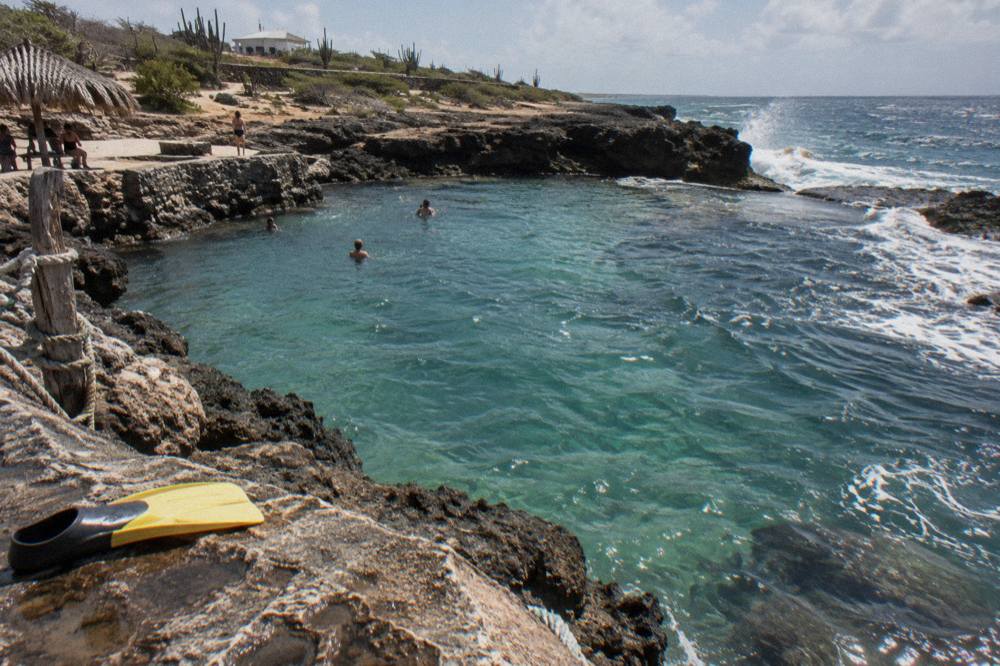
One point worth stating plainly: the pool is not a beach. The Aruba page for the Natural Pool lists uneven terrain, rocky paths, and steep natural stone steps, and says the site is not wheelchair accessible and needs moderate physical ability. Getting from where vehicles stop down to the water is a short walk on rock, and the tours that drive in give you a fixed slice of time there, for example the Signature Jeep Tour's listing shows 30 minutes at Conchi, and the Arikok Jeep Safari's line shows 20 minutes. That is enough for a swim and a look, not a beach afternoon.
Is Swimming At Conchi Actually Safe?
On a calm day, with water shoes on and the posted warnings respected, the swim is within the ability of a reasonably confident swimmer in moderate physical shape. No honest source calls it risk-free, and no one should: the rock is sharp, the footing is uneven, waves can arrive over the rim without warning, and swimming is only safe when the ocean is calm, per the official page for the pool.
The single most repeated safety instruction across every official and operator source is water shoes. The Aruba tourism page strongly recommends them, and tour operators echo it because the volcanic rock around and inside the pool is rough and can be slippery when wet. Regular sandals come off, flip-flops are worse than nothing on this terrain, and several listings, such as the Noord: Arikok National Park Jeep Tour with Baby Beach Visit, actually include water shoes in their inclusions, from $98 per person, 4.7 from 211 reviews. That listing also includes goggles and a bandana, which tells you a lot about the environment: dust on the approach, glare and spray at the rim.
| Hazard at the pool | What the official and listing sources say | Practical response |
|---|---|---|
| Waves over the volcanic rim | Swimming is only safe when ocean conditions are calm; conditions can change quickly | Follow ranger advisories and posted warnings; leave the water if spray builds |
| Sharp, slippery volcanic rock | Water shoes strongly recommended | Wear proper water shoes, not sandals or bare feet |
| Uneven terrain and stone steps | Not wheelchair accessible; moderate physical ability needed | Take the steps slowly, use hands where needed |
| No facilities at the pool | Limited facilities; a snack stand is often at the top of the stairs | Bring your own water; plan for no changing rooms |
| Deep spots and unknown footing | No official depth figures exist; no source publishes depths | Do not dive or jump; enter where guides indicate |
A ranger or similar presence is typically at the pool during visiting hours, according to visitor reporting, and rangers make the day-of call on swimming. Your tour guide does the same: the operators who run this route daily read the swell before committing to the stop, and a tour that includes Conchi still reserves the right to shorten or skip the swim when the sea says no. Ask your operator how they handle a rough-water day before you book; free cancellation is listed on the tour lines covered here, so a flexible booking costs you nothing extra.
For a cautious swimmer comparing options, the trio below spans the three main ways in: a shared 4WD jeep tour that drives into the park, a Land Rover tour with a longer Conchi stop, and a horseback ride that reaches the pool on trails.
Each of those listings states free cancellation, so a swim plan built around one of them stays adjustable, which is the right posture for anything sea-dependent.
When Is The Natural Pool Closed To Swimming?
Swimming at Conchi closes on the day when large swells push waves over the volcanic rim, and the decision is made by park rangers and tour operators reading the sea, not by a published calendar. No official source names months as safe or unsafe, and any page promising a best month for swimming is guessing; the honest instruction from the park and the Aruba tourism page is to follow posted warnings and ranger advisories on the day.
This is the point where most pre-trip research goes wrong, so it deserves a full explanation. The north-east coast of Aruba takes the full force of the Atlantic trade-wind swell, and the pool sits directly on that coast inside a rock rim. When the swell is small, the rim does its job and the basin stays swimmable. When it rises, water breaks continuously over the rock, the basin churns, and swimming becomes dangerous even for strong swimmers, because a wave arriving over the rim moves a surprising amount of water into a small space. Conditions can change within hours, which is why the call is made on the day and on site rather than in advance.
What that means for a visitor is procedural, not meteorological. Check the posted warnings at the pool and anything the rangers communicate, ask your tour operator how they judge the stop, and treat any forecast-based optimism you read online as noise. The guide to whether the Natural Pool is closed covers the closure mechanics in detail, and the swim-and-conditions questions around Conchi go further into what swimmers actually experience.
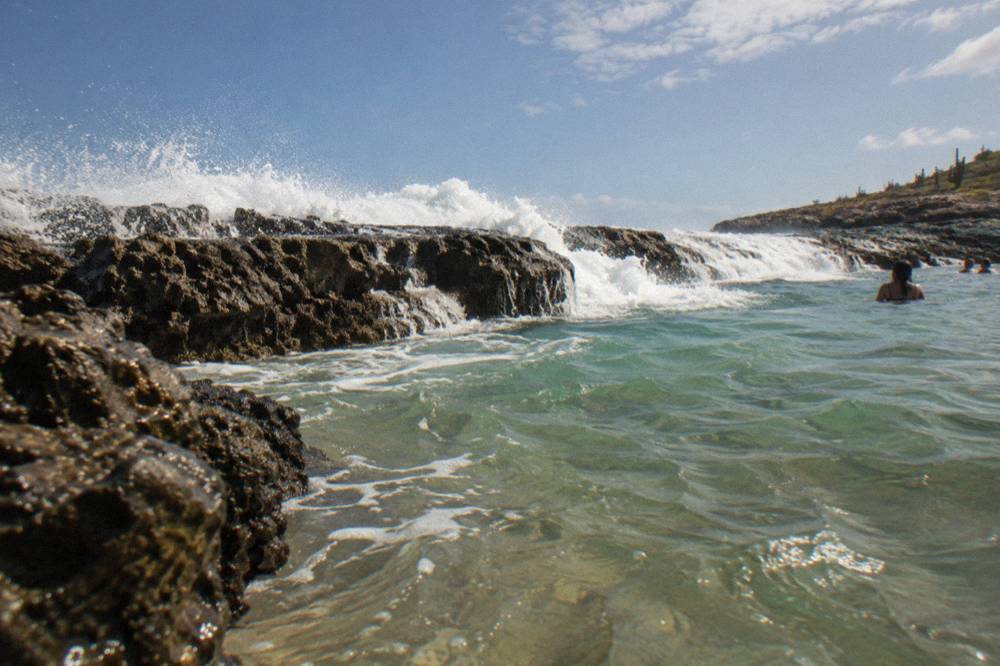
Tour-side, the same logic applies with money attached. A listing that includes Conchi is selling the attempt, not a guaranteed swim, and reputable operators are straightforward about that. The sunrise hike listings make the trade explicit in the other direction: the Sunrise Hike & Swim in Natural Pool, from $59 per person, 4.9 from 123 reviews, walks the north coast at dawn precisely to beat both the heat and the crowds, with snacks and snorkel gear included and no transport. Early day is also when the sea has often had the least time to build, though no source promises that; only the ranger on the day knows.

One more closure type matters and is easier to plan for: the park itself keeps short gate hours. The San Fuego Visitor Center entrance is open daily from 8:00 to 3:30, and the Vader Piet booth closes at 3 pm, so a late-afternoon independent visit is not an option. Guided tours that drive in run around those hours, which is why most listings depart in the morning.
What Do The Park Rules Say About The Pool Area?
Arikok National Park is managed by the Aruba Conservation Foundation, and its rules focus on protecting the terrain rather than policing swimmers: stay on park roads, use indicated parking, keep to a 20 km/h speed limit, no drones, no pets, no littering, no rock stacking, and no disturbing animals or plants. A valid conservation day pass is required by law to enter, USD 22 per adult, with children under 17 free.
The pass is the part that surprises people. It is sold only at the San Fuego Visitor Center and the Vader Piet booth, not online, and local residents of Aruba, Bonaire and Curacao get a discount with valid local photo ID. Some tours fold the entrance into their price and say so on the listing, among them the Aruba Arikok National Park Jeep Safari and the National Park Arikok Jeep Safari Adventures, from $109 per person, 4.9 from 808 reviews, while others list it as excluded, such as the Signature Jeep Tour, whose exclusions name the park entrance fee. Check the listing before assuming either way, and see the full guide to Arikok tickets and fees for the pass mechanics.
| Arikok rule (from the official park rules) | What it means at the Natural Pool |
|---|---|
| Stay on park roads, indicated parking only | The track to Conchi is a park road; do not improvise routes |
| Speed limit 20 km/h | Applies to every vehicle inside the park, including tour jeeps |
| Drones prohibited | No drone footage of the pool, period |
| No littering, no rock stacking | Carry out everything you carry in, leave the cairns alone |
| No disturbing or collecting animals and plants | Look, snorkel gently, take nothing |
| Valid conservation pass required by law | USD 22 adult day pass, children under 17 free, sold at the gates |
The vehicle rules matter for swimmers too, because they shape who can even reach the water. ATVs, UTVs and motorbikes are prohibited in the park's protected nature areas, per the Aruba Conservation Foundation's own experiences page, and standard passenger cars are not permitted beyond the checkpoints leading to Conchi. The official Natural Pool page puts it simply: the pool is reached by foot, horseback or 4x4, and inexperienced drivers are encouraged to take a jeep safari rather than attempt the track. For swimmers, that means the safest version of the trip is usually one where someone who drives this track for a living is at the wheel.
How Do You Get To The Natural Pool Safely?
There are three safe ways in: a guided 4x4 or jeep that drives the rough track into the park, a horseback ride from a ranch to the pool, or a hike of roughly 3 to 4 hours round trip for experienced hikers. A standard rental car cannot go beyond the park checkpoints, and the terrain down to the pool itself is uneven rock with steep natural stone steps, so the journey is part of the safety question.
The jeep option is the most common and the widest range. The Signature Jeep Tour runs 4 hours 30 minutes total with 30 minutes at Conchi; the Aruba Jeep Tour: Natural Pool, Caves and Baby Beach Adventure, from $89 per person, 4.7 from 1,371 reviews, runs 4 hours with 35 minutes at Conchi in a Land Rover; and the Arikok Jeep Safari compresses it further with 20 minutes at the pool across a 5-hour day. Private versions exist too, such as the Aruba Private Open Air Safari Jeep Tour Arikok and Conchi Pool, from $211.55 per group, 4.9 from 380 reviews, running 3 to 8 hours with 30 minutes at Conchi, useful for families who want to set their own pace on the rock. Other pages covering the same trip are gathered on Aruba Natural Pool Tours.
Horseback changes the experience entirely: the Horseback Ride Tour to Natural Pool in Arikok National Park, from $155 per person, 4.9 from 1,270 reviews, rides from Rancho Loco with hotel or port pickup, park fees and helmets included, helmets mandatory for riders 12 and under, and a strict 220 lbs maximum rider weight fully clothed that its listing states is enforced for the wellbeing of the horses and riders. Hiking is the quietest option; the official page allows a 3 to 4 hour round trip for experienced hikers, and the guided sunrise hike listings, including the Arikok Sunrise Hiking Tour to Natural Pool + Transportation, from $110 per person, 4.9 from 31 reviews, with the Arikok entrance fee, water, fruit and a private guide included, take the guesswork out of the route.
| Way in | Example listing | Price basis | Time at the pool (per its listing) | Swimmer profile it suits |
|---|---|---|---|---|
| Shared 4WD jeep | Signature Jeep Tour | from $78 per person | 30 min | First-timers wanting the standard trip |
| Shared Land Rover | Jeep Tour: Natural Pool, Caves and Baby Beach | from $89 per person | 35 min | Slightly longer swim window |
| Shared safari truck | Arikok National Park Jeep Safari | from $95 per person | 20 min | Shorter stop, longer park loop |
| Horseback | Horseback Ride Tour to Natural Pool | from $155 per person | Swim stop included | Confident riders, weight limit 220 lbs |
| Guided sunrise hike | Sunrise Hike & Swim | from $59 per person | Morning at the pool | Fit swimmers avoiding heat |
| Private open-air jeep | Private Open Air Safari Jeep | from $211.55 per group | 30 min | Families setting their own pace |
The Sunrise Hike & Swim deserves its solo mention here: it is the budget entry at from $59 per person, includes snacks and snorkel gear, states free cancellation, and provides no transportation, meeting instead at a trailhead, which is exactly why it suits swimmers who want the calmest, emptiest version of the pool and are happy to walk for it.
What Should You Wear And Bring For Swimming At Conchi?
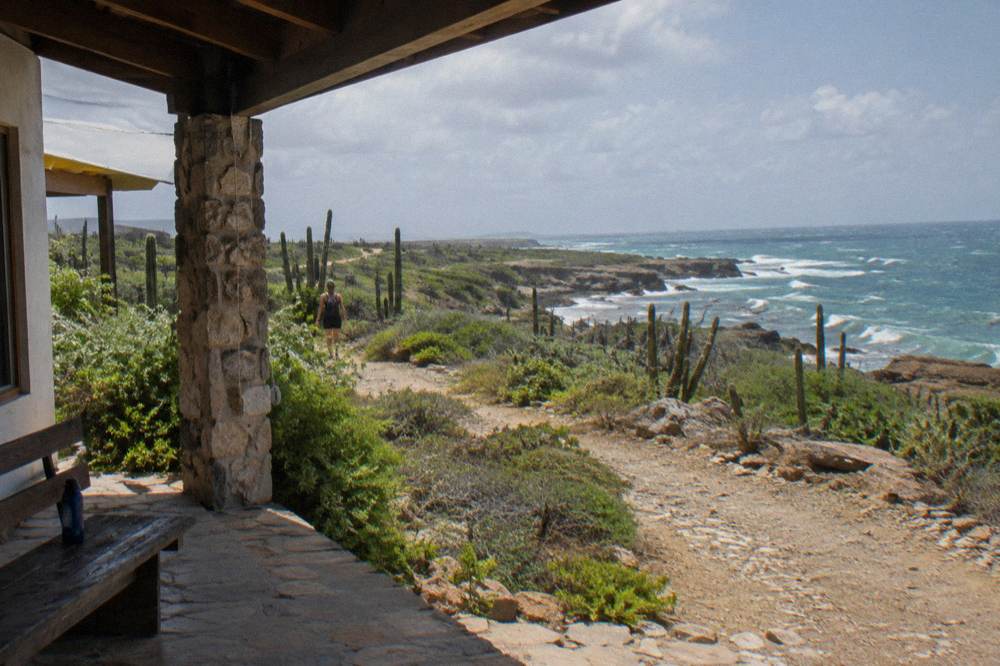
Bring water shoes, reef-safe sunscreen, at least a liter of water per person, a swimsuit worn under clothes, a towel and a dry bag, because the pool has essentially no facilities, the rock is sharp, and the approach is dusty and exposed. Water shoes are the one item every official and operator source repeats; a listing or two includes them, but most do not, so treat them as your own gear.
The what-to-bring logic follows directly from the terrain. The Aruba page for the pool flags limited facilities and strongly recommended water shoes; visitor guides add reef-safe sunscreen, water and a dry bag. Tours help in scattered ways: the Noord Arikok Jeep Tour includes iced water refills, water shoes, goggles and a bandana; the Signature Jeep Tour's inclusions mention ice water refills and ask guests to bring a reusable canteen for environmental reasons; the Arikok Jeep Safari lists bottled water and snacks. Read your own listing's inclusions line and fill the gaps yourself, and see the detailed packing guide for the Natural Pool.
| Item | Why it matters at Conchi | Usually included on tours? |
|---|---|---|
| Water shoes | Sharp volcanic rock, slippery wet sections | Included on one listing here; bring your own otherwise |
| Reef-safe sunscreen | Exposed rock, no shade, reef protection | Not listed; bring it |
| Water, 1 to 2 liters per person | No reliable facilities at the pool | Bottled or refill water on most listings here |
| Swimsuit under clothes | No changing rooms | Not applicable |
| Towel | Dry off on rock, dust on the return drive | Not listed; the private hikes list towels, most do not |
| Dry bag | Keeps phone and documents dry at the rim | Not listed; bring your own |
| Hat and bandana | Sun and dust on the open track | A bandana is listed on two jeep tours here |
Dress for the drive as much as the swim. Open-air jeeps on a dirt track mean dust, so a bandana or something similar over the mouth helps, and one listing sells dust masks as an optional extra, which tells you what to expect. Sunglasses or goggles help too; a couple of listings include goggles. For more on the surrounding conditions and seasonality, the guide to the best time for the Natural Pool in Aruba covers planning without promising sea states.
Is The Natural Pool Safe For Kids And Cautious Swimmers?
For children who swim confidently and adults with moderate fitness, the pool can work on a calm day, but no packaged tour here publishes an age minimum for the swim itself, and the honest instruction is to check the listing or ask the operator directly about ages, mobility and any medical concerns. The site's uneven rock and steep natural steps are the main obstacle for young children and anyone unsteady, and the official page requires moderate physical ability.
The listings give useful signals without making promises. The horseback tour lists helmets as mandatory for riders 12 and under and a strict 220 lbs weight maximum. The jeep and hike tours state no age limits on their lines, so families should ask before booking; private tours are often the answer for mixed-ability groups because the pace is yours, and the Private Half Day Tour Arikok National Park & Snorkel, from $115 per person with private transfer, guide, snorkel gear, fruit, water, sunblock and towels listed, includes exactly the support items a cautious swimmer wants, though it is a newer listing with too few reviews to quote a rating.
For a cautious adult swimmer who still wants the jeep format with everything bundled, the National Park Arikok Jeep Safari Adventures listing stands out for what it folds in: snorkel and mask, all fees and taxes, the park entrance ticket, bottled water and a history narration, from $109 per person, 4.9 from 808 reviews, departing from Aruba hotels and the cruise terminal with pickup offered and free cancellation listed.
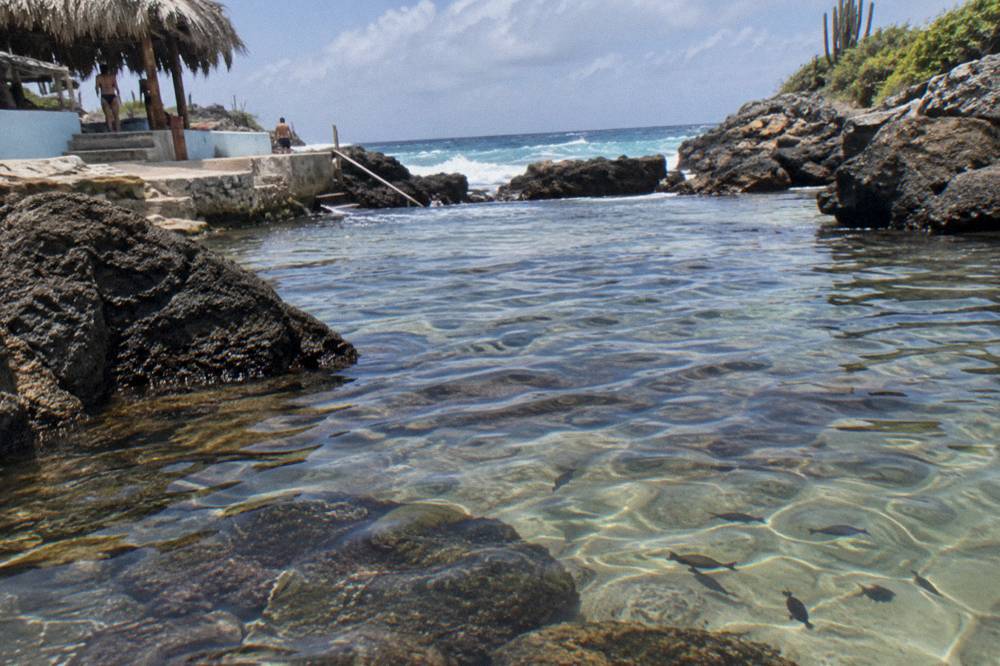
The snorkeling angle deserves one honest paragraph. Snorkeling in the calm basin is what the official page describes, and gear is included on many of the jeep and hike listings here. Whether the fish show up is another day-of matter; the snorkeling at the Natural Pool guide goes deeper. For kids, the combination to avoid is rough sea plus rock: if the spray is coming over the rim, the pool is no place for a child, and if the basin is calm, a confident kid with water shoes and a watchful adult has a memorable swim.
Which Tour Fits A Swimmer Who Wants Safety Handled?
Pick a listing whose line shows a guide-driven vehicle into the park, snorkel gear and the park fee bundled, free cancellation, and a Conchi stop time that matches how long you want in the water. The Signature Jeep Tour from $78 per person is the benchmark, the Arikok Jeep Safari from $95 per person bundles the most, and the horseback ride from $155 per person suits confident riders. All three listings state free cancellation.
Here is the decision logic in one pass. If you want the cheapest competent jeep day, the Signature Jeep Tour at from $78 per person, 4.9 from 1,718 reviews, is the value anchor, with the caveat that its exclusions list the park entrance fee separately. If you want the pool fee and gear pre-paid with no arithmetic at the gate, the Arikok Jeep Safari at from $95 per person includes the National Park entrance fee, bottled water and snacks, and compresses the pool stop to 20 minutes inside a 5-hour day. If you want the longest Conchi window on a shared vehicle, the Land Rover-based Jeep Tour: Natural Pool, Caves and Baby Beach Adventure gives 35 minutes at the pool and includes national park fees, hotel or port pickup and snorkel gear for from $89 per person.
| Listing (short name) | Price basis | Rating and reviews | Conchi time | Park fee on the listing | Free cancellation listed |
|---|---|---|---|---|---|
| Signature Jeep Tour | from $78 per person | 4.9, 1,718 reviews | 30 min | Excluded | Yes |
| Baby Beach Jeep, no meal | from $89 per person | 4.7, 1,371 reviews | 35 min | Included | Yes |
| Arikok Jeep Safari, 5 hours | from $95 per person | 4.9, 505 reviews | 20 min | Included | Yes |
| Caves Jeep, 4 to 6 hours | from $87 per person | 4.8, 243 reviews | 45 min | Included (landing and facility fees) | Yes |
| Rancho Loco Horseback | from $155 per person | 4.9, 1,270 reviews | Swim stop | Included | Yes |
| Sunrise Hike and Swim | from $59 per person | 4.9, 123 reviews | Morning at pool | Excluded (listing quotes an older fee figure; the park's own price is USD 22) | Yes |
Note one trap in that table: two hike listings quote an outdated park-fee figure in their exclusions, which is why this guide prints only the official USD 22 adult day pass attributed to the park, and adds the standing advice to check the park's own page for the current price. For the wider set of drive-in options, the Aruba jeep tours guide compares the full field, and the Arikok National Park guide covers the park beyond the pool.
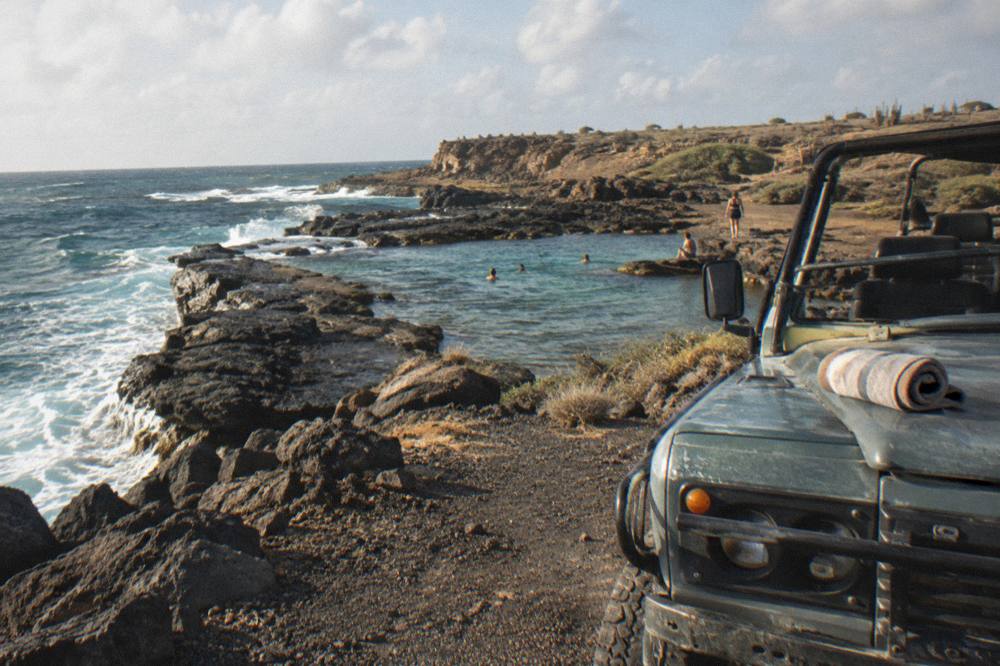
Before the FAQ, the closing pick set repeats the three ways a swimmer most often goes: the benchmark shared jeep, the longer-stop Land Rover day, and the horseback ride for riders.
For families and small groups who would rather walk in with a guide entirely on their own schedule, the Private Aruba National Park Hiking & Natural Pool Swimming listing runs 4 hours from $60 per group, 5.0 from 167 reviews, meeting at a trailhead with snacks, bottled water and snorkel gear included and no pickup, and its listing notes the park entry fee is paid separately. Check the Aruba Tourism Authority's Arikok page before any independent plan, and confirm conditions with your operator on the day.
Common Questions About Natural Pool Swimming Safety
Can You Swim In The Natural Pool In Aruba?
Yes, swimming is the main activity at Conchi, and the official Aruba page describes swimming and snorkeling in the calm basin, but only when ocean conditions are calm. Rangers and operators decide on the day, and the pool closes to swimming when waves wash over the volcanic rim.
Is The Natural Pool Safe For Children?
It can be on a calm day for confident young swimmers, but the terrain is uneven rock with steep natural stone steps and the official page requires moderate physical ability. The tours listed here publish no swim age minimums, so check the listing or ask the operator about ages and mobility before booking.
Do You Need Water Shoes At Conchi?
Yes, water shoes are strongly recommended on the official Natural Pool page and by operators, because the volcanic rock is sharp and slippery when wet. One jeep listing here includes them; on every other tour, bring your own.
When Is Swimming Closed At The Natural Pool?
Swimming closes on the day when large swells send waves over the rock rim, and rangers and tour operators make that call by sea conditions, not by calendar. Follow posted warnings and ranger advisories, and never assume from any month or forecast that the swim is on.
Is There A Lifeguard At The Natural Pool?
There is no developed lifeguard operation. A ranger presence is typically at the pool during visiting hours, and a small snack and refreshment stand is often available at the top of the stairs during the day, but facilities are limited and you should swim as if unsupervised.
Can You Cliff Jump Into The Natural Pool?
No official source allows or recommends jumping at Conchi, and no verified figures exist for cliff heights or depths. The listings and the park's own pages describe swimming and snorkeling in the calm basin; enter the water where guides indicate and do not jump.