Is The Natural Pool In Aruba Closed?
How the day-of decision on swimming at Conchi works, who makes it, and what to ask an operator before you book a Natural Pool tour in Aruba.
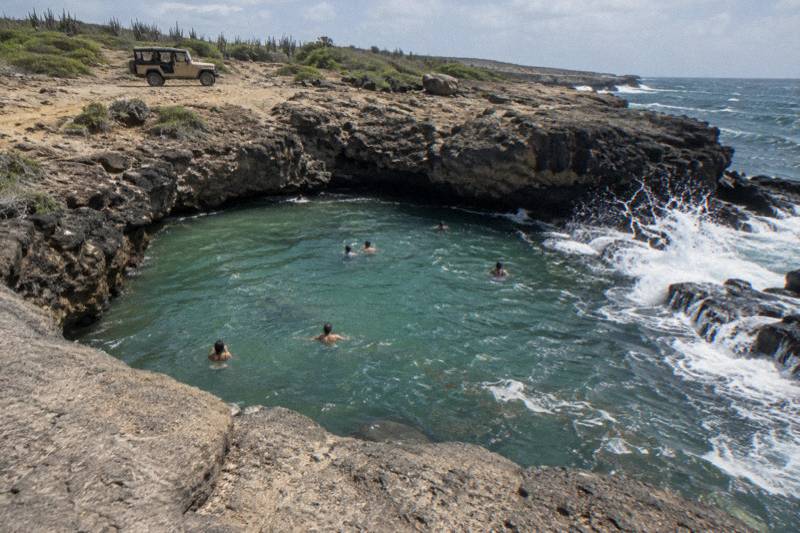
The short answer to the question most people type is: no permanent closure exists. The Natural Pool, known locally as Conchi, sits inside Arikok National Park on Aruba's north-east coast, the park is open daily, and guided trips reach the pool year round. What actually closes, sometimes for a few hours and sometimes for a day, is swimming in the pool itself, because waves can crash over the volcanic rim when the ocean is rough. That decision is made on the day by park rangers and tour operators, and it is the single most important thing to understand before booking.
The official Aruba Tourism Authority page for the Natural Pool puts it plainly: swimming is only safe when ocean conditions are calm, conditions can change quickly, and visitors should follow ranger advisories and posted warnings. Nobody can honestly promise you a swim, on any date, in any month. What a good operator can promise is a decision process, a fallback plan, and usually a cancellation policy that works in your favor if the day turns against you.
No standing closure affects the Natural Pool at Conchi. Arikok National Park, which manages the site, is open daily, and the jeep, horseback and hiking trips covered here run year round. What varies day to day is whether swimming is permitted at the pool, a call made by rangers and operators each morning based on sea conditions, and no page can tell you today's answer in advance.
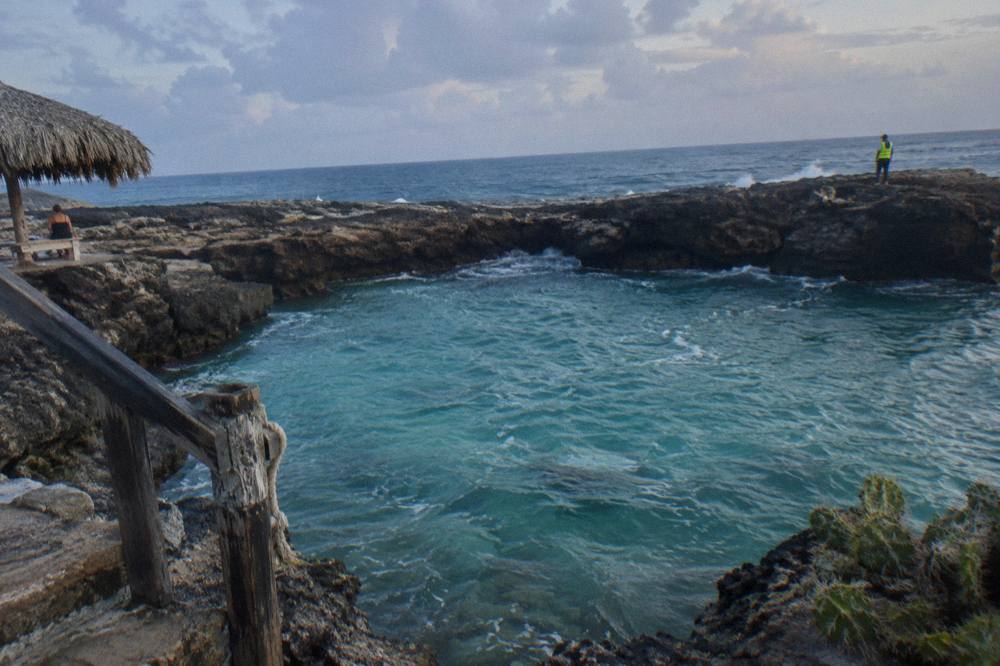
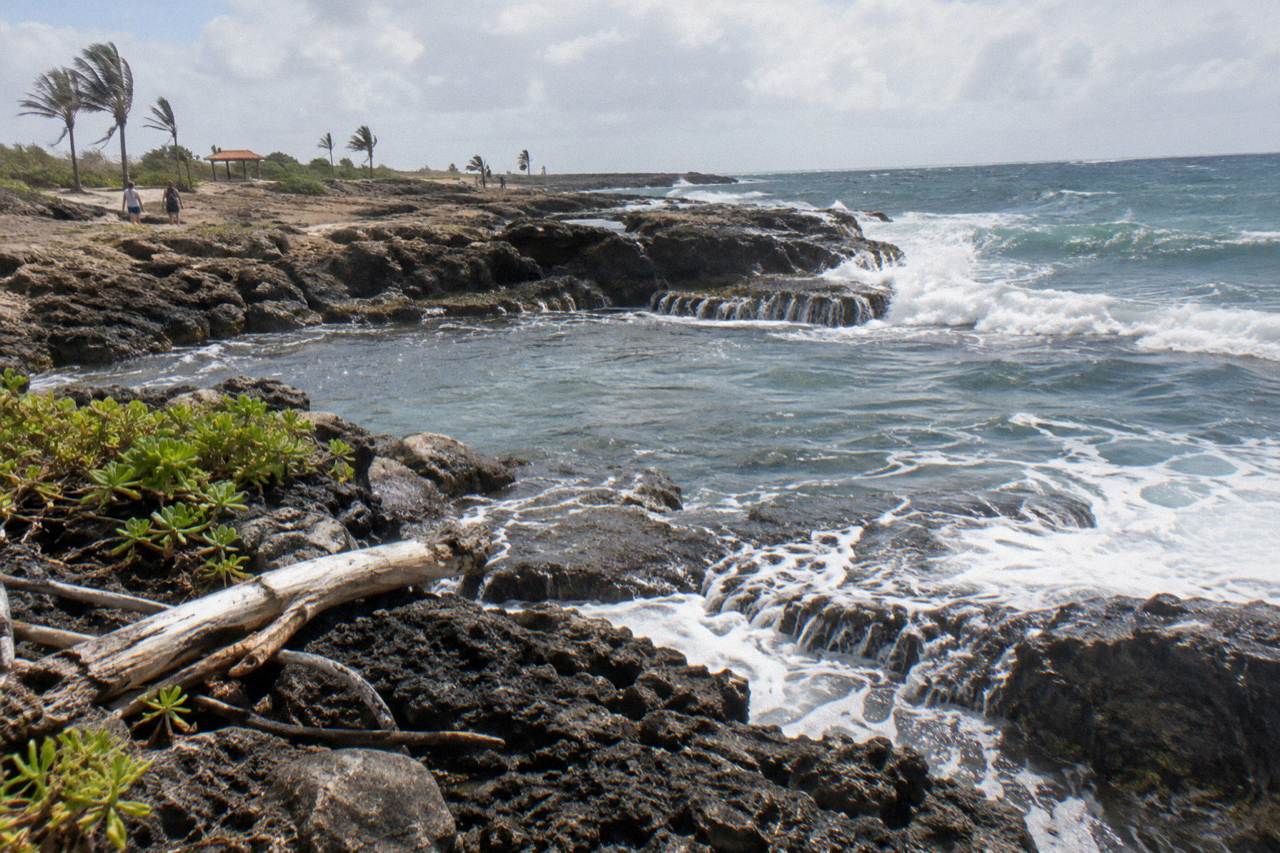
The confusion usually starts with the word "closed," which gets used for three different things. The park can restrict entry, though its posted schedule shows daily operation with pass sales closing in the afternoon. The track to the pool can be affected by weather. And swimming at the pool can be suspended when large swells send waves washing over the rock rim, which is the closure people actually encounter. Only the third one happens regularly, and it is temporary by nature.
No official source publishes a live "open" or "closed" status for the pool. The Aruba Conservation Foundation, which manages the park, publishes hours, fees and rules, not a swim status feed. So a search result that appears to answer the question with a yes or a no is almost always answering a different question, or guessing. The reliable answer lives with the rangers on site and the operator running your trip, on the morning of your trip.
That is also why the booking decision matters more than the status check. A trip like the Aruba Signature Jeep Tour, which drives into Arikok with a 30-minute stop at Conchi, from $78 per person and highly rated at 4.9 from 1,718 reviews, lists free cancellation. If the sea is rough, you are not locked into a swim you cannot take, and the trip still delivers the drive, the coast and the park itself. The same logic applies across the listings covered here, and it is worth comparing the formats side by side before committing.
Who Decides Whether You Can Swim At Conchi?
Park rangers and, in practice, the tour operators themselves make the swimming call each day. Rangers post advisories and warnings at the site and can suspend swimming when waves break over the volcanic rim, while operators decide whether their run goes ahead at all. Both look at the same thing, the state of the sea, and neither publishes the decision in advance.
A ranger or lifeguard is typically present at Conchi during visiting hours, and posted warnings at the pool reflect the day's conditions. The official guidance is unambiguous on the mechanics: swimming is only safe when ocean conditions are calm, waves can crash over the rocks, and conditions change quickly. Water shoes are strongly recommended because the volcanic rock is sharp and slippery underfoot even on calm days.
Operators add a second layer of judgment. A guide who drives the track daily knows what the swell is doing before any guest arrives, and trips get adjusted, rerouted or refunded accordingly. This is one reason guided access beats an independent attempt: you inherit the operator's day-of knowledge instead of your own guess. The Tourism Authority's own advice notes that inexperienced drivers are encouraged to take a jeep safari rather than drive the rough track themselves, and the same logic extends to conditions.
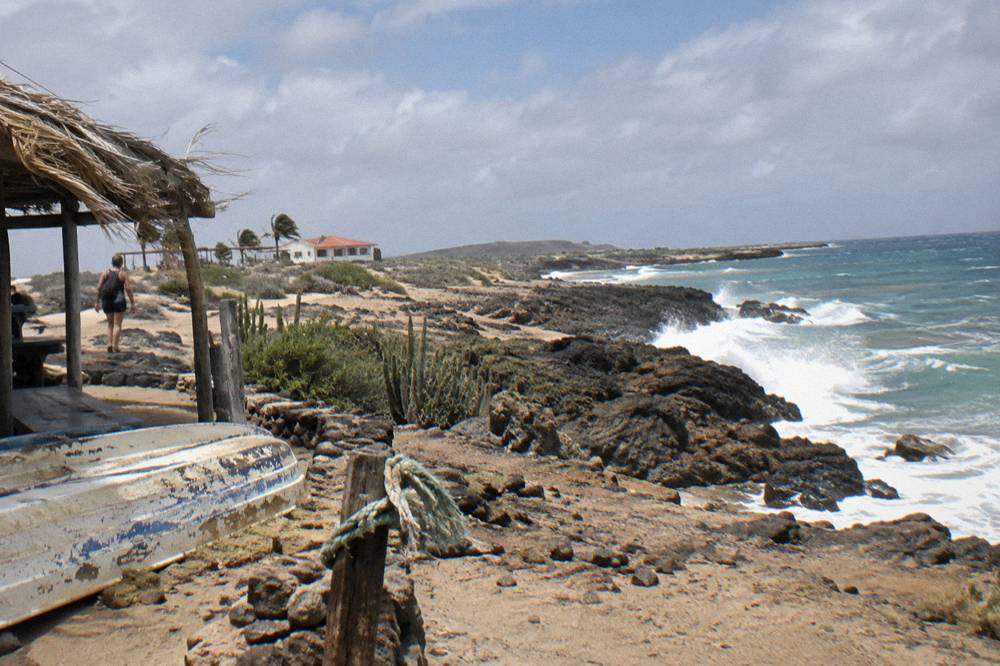
Official sources do not name calm months for the pool. Swell timing on this coast is not something the park commits to, so a site promising "calm seas in month X" is speculating. The verified official wording is that conditions change quickly and rangers decide on the day. Plan around the process, not around a calendar. If the swim is the whole point of your trip, the guide on Natural Pool swimming safety goes deeper on what the calm-basin experience is actually like.
Should You Book Before You Know The Sea State?
Yes, because waiting does not buy you certainty. The swim decision is made the same morning either way, so the practical move is to book a listing with free cancellation, confirm the operator's rough-sea policy in advance, and let the day decide. Every trip covered here lists free cancellation, which turns the uncertainty from a risk into a scheduling detail.
That question deserves a straight answer rather than a hedge, and the straight answer is that the sea does not send advance notice. A listing that offers free cancellation and a stated rough-sea policy is worth more than a perfect forecast you will never get.
When Does Arikok National Park Close The Track To The Pool?
Pass sales at the San Fuego Visitor Center run from 8:00 to 3:30 daily, and the Vader Piet booth closes at 3 pm, so a self-guided visit needs an early start. A conservation day pass costs USD 22 per adult, children under 17 enter free, and passes are sold only at the entrances, not online, per the park's own pages.
The "closed" that trips up independent travelers is usually just the clock. The park's two entrances stop selling passes in the mid afternoon, and the drive or hike to Conchi eats serious time from there. Standard passenger cars are not permitted beyond the park checkpoints leading to the pool; access is by foot, horseback or 4x4, and experienced hikers should budget a 3 to 4 hour round trip. None of that is a closure, but arriving at 2 pm with a sedan and no plan functions like one.
| Access option | How it reaches Conchi | Example listing | Day-of flexibility |
|---|---|---|---|
| Shared jeep safari | Drives into Arikok, about 30 min at the pool | Aruba Signature Jeep Tour, from $78 per person, 4.9 from 1,718 reviews | Free cancellation listed; guide reroutes on rough days |
| Baby Beach jeep combo | Land Rover into the park, about 35 min at the pool | Natural Pool, Caves and Baby Beach Adventure, from $89 per person, 4.7 from 1,371 reviews | Free cancellation listed; multiple non-pool stops absorb a swim ban |
| Horseback ride | Rides from Rancho Loco to Conchi, 3 hours 30 minutes total | Horseback Ride Tour to Natural Pool, from $155 per person, 4.9 from 1,270 reviews | Free cancellation listed; listing states helmets for 12 and under |
| Sunrise hike | Walks the north coast to Conchi before the heat | Sunrise Hike & Swim, from $59 per person, 4.9 from 123 reviews | Meeting point, no transport; earliest start beats the daily wind |
Note the pattern in that table: every format has a fallback built in. A jeep combo that also stops at caves and Baby Beach loses less from a swim ban than a pool-only itinerary, and a sunrise hiker arrives before conditions typically deteriorate. The pass itself never becomes a wasted purchase, because the park's trails, caves and coastal viewpoints remain reachable regardless of what the pool is doing.
One fee detail worth knowing: some listings include the Arikok entrance in the price and some list it as an exclusion, so read the inclusions on the specific listing rather than assuming. The park's official day-pass figure, USD 22 per adult with under-17s free, comes from the Aruba Conservation Foundation; check the park's own page for the current price.
What Should You Ask An Operator Before Booking?
Ask three questions: what happens to my booking if swimming is suspended, who makes the call and when, and what the alternative stops are. A listing with free cancellation and a clear rough-sea answer passes the test. One that dodges the question or promises a swim in any conditions does not, and there is always another operator.
These are questions for the operator's listing or booking page, not for search results. The listings that survive contact with a rough-sea day tend to state their policy in writing. The Aruba Arikok National Park Jeep Safari, from $95 per person and 4.9 from 505 reviews, includes the park entrance fee and runs a 5-hour route with about 20 minutes at Conchi, which leaves plenty of itinerary to enjoy if the basin is off-limits for swimming. Its listing states free cancellation, as do the others in the table above.
For hikers, the same questions apply with one addition: ask about the meeting point. The Sunrise Hike & Swim in Natural Pool trip, from $59 per person with a 4.9 rating from 123 reviews, departs from a meeting point with no transport provided, and its listing states the park conservation fee is paid separately. The sunrise start is not a gimmick, it is the strategy that escapes both the crowds and the heat, and it also puts you at the pool early in the day.
A short checklist keeps the conversation honest. Ask how the operator notifies guests of a same-day change, whether a rerouted trip counts as delivered or refundable, and what the cutoff time is for cancelling on your side. Write down the answers, because a policy that exists only in a phone call is a policy that evaporates.
What If Swimming Is Off On The Day?
Your trip usually still runs, with more time at the other stops and viewing access to the pool itself, which remains a striking sight even when the basin is closed to swimmers. Waves crashing over the volcanic rim are part of what people come to see, and a listing with free cancellation gives you the option to walk away instead if the revised itinerary does not suit you.
This is where tour format quietly earns its keep. The Natural Pool, Caves and Baby Beach Adventure, from $89 per person and 4.7 from 1,371 reviews, bundles the Fontein and Quadirikiri cave area, the collapsed Natural Bridge site and Baby Beach around its 35-minute Land Rover stop at Conchi, per its listing. A swim ban trims one element of a full morning rather than canceling it outright. The Signature Jeep Tour runs the same math with a 4 hour 30 minute itinerary and hotel or cruise-terminal pickup listed.
Horseback riders are in a similar position. The Rancho Loco ride to the pool, from $155 per person with a 4.9 rating from 1,270 reviews, lists the swim at the Natural Pool among its inclusions, and the ride itself along the park trails is the product; the listing also states a maximum rider weight of 220 lbs fully clothed, strictly enforced. Ask the operator what a no-swim day looks like on horseback before you ride, the same three questions as above.
If the swim is non-negotiable for you, build slack into the trip. Book your pool day early in your week rather than the day before you fly home, so a rough morning can become a calm afternoon or a next-day retry. That single piece of planning does more for your odds of swimming than any forecast you will find online, and it costs nothing. Our guide to the best time for the Natural Pool covers the daylight and wind angles in more detail, using airport climate figures rather than guesses about the coast.
For readers weighing whether the whole excursion justifies the effort, the honest framing is on our homepage at Aruba Natural Pool Tours, where the trip picker compares every format by price, duration and how each one reaches Conchi. A day-of swim ban is a real possibility on any listing; it is not a reason to skip the pool, only a reason to book the listing that handles it well.
Common Questions About The Natural Pool Closing
Is The Natural Pool In Aruba Closed?
No permanent closure exists. Arikok National Park is open daily and tours run year round. What changes day to day is whether swimming is permitted, a decision made by rangers and operators each morning based on sea conditions. Check with the park or your operator on the day.
Can I Check The Swim Status Online Before I Go?
No official source publishes a live open or closed status for swimming at Conchi. The Aruba Conservation Foundation publishes hours, fees and rules, not a swim feed. Rangers post advisories at the site, and operators make the call with their guests each morning.
Do I Still Have To Pay The Park Fee If Swimming Is Suspended?
Yes, the USD 22 adult day pass is for entry to Arikok National Park, not for swimming at the pool. The park's trails, caves and coastal viewpoints remain accessible. Many listings bundle the entrance fee into the tour price, so read the inclusions on your specific listing.
Will My Tour Be Refunded If The Pool Is Closed For Swimming?
It depends on the operator's policy, not on a general rule. Every listing covered here states free cancellation, but a rerouted trip that still runs is usually treated as delivered. Ask the operator before booking what happens to your fare if swimming is suspended.
Does The Park Itself Ever Close?
Pass sales at the San Fuego Visitor Center run 8:00 to 3:30 daily, and the Vader Piet booth closes at 3 pm. Holiday-adjusted hours have applied in the past, so check the park's own page for current schedules before an independent visit.
Can A UTV Or ATV Tour Take Me To The Pool?
No. ATVs, UTVs and motorbikes are banned inside Arikok National Park, so those tours run north-coast routes outside the park. The way in to Conchi is a jeep, horseback or a hike; one UTV listing reaches the pool only via a guide-driven jeep transfer for the final section.