Arikok National Park: Entrances, Trails And Rules
Arikok National Park covers 34 square kilometers of Aruba's north-east side, holds the Natural Pool at Conchi, and runs on rules most first-time visitors never hear about until they are at the gate.
Short answer
Arikok National Park covers 34 square kilometers of Aruba's north-east coast and is managed by the Aruba Conservation Foundation. A conservation day pass costs USD 22 per adult, children under 17 enter free, and passes are sold only at the San Fuego Visitor Center and the Vader Piet booth, not online.
Arikok National Park is not a side note on an Aruba trip, it is the reason the Natural Pool exists at all. The pool locals call Conchi sits inside this 34 square kilometer stretch of protected north-east coast, and everything about visiting it, from the USD 22 day pass to the ban on ATVs and UTVs, flows from park rules set by the Aruba Conservation Foundation. This guide walks through the entrances, the fees, the trails, the driving rules and the ways a guided tour fits in, so you arrive at the gate knowing exactly what to expect. If you're still deciding whether the park deserves that much of your trip, our honest look at whether Arikok National Park is worth the visit weighs the highlights against the cost of admission.
What Is Arikok National Park?
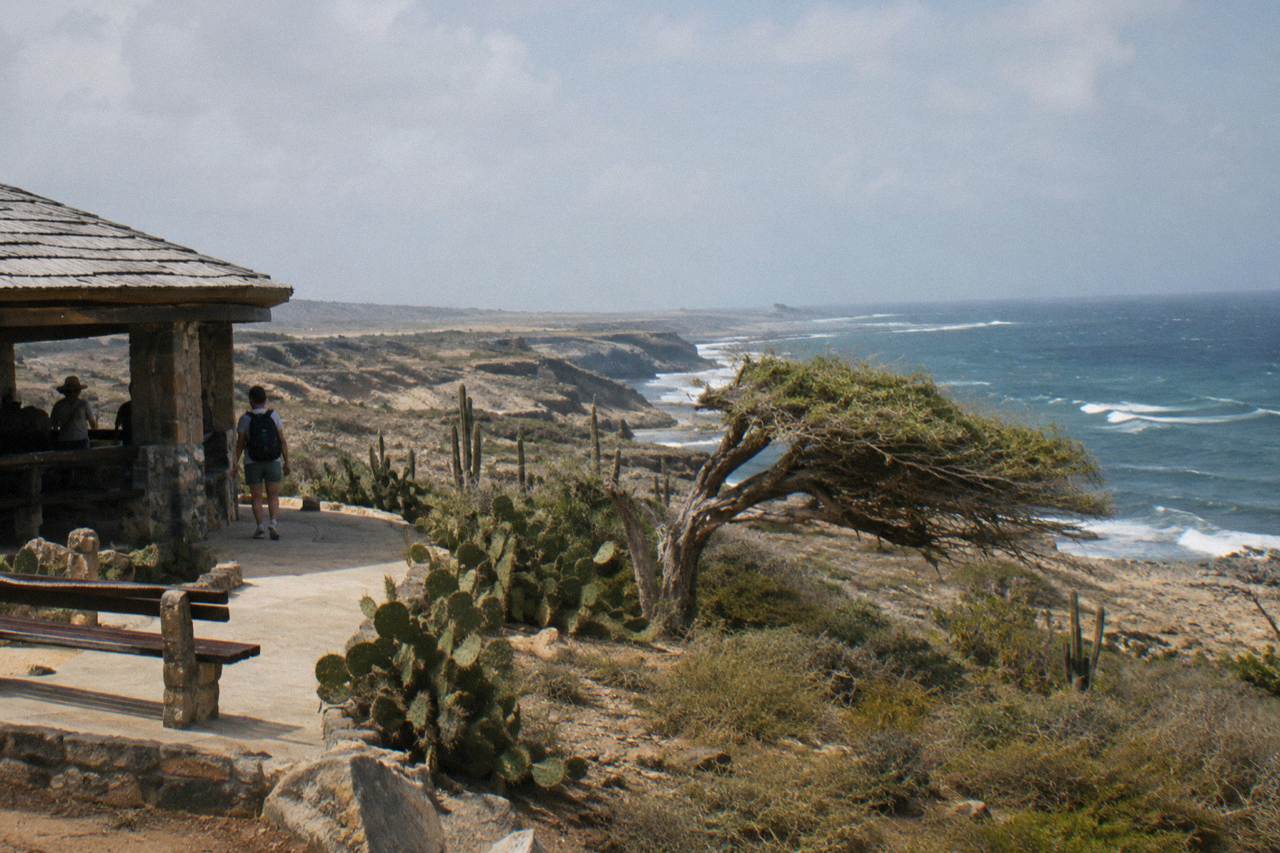
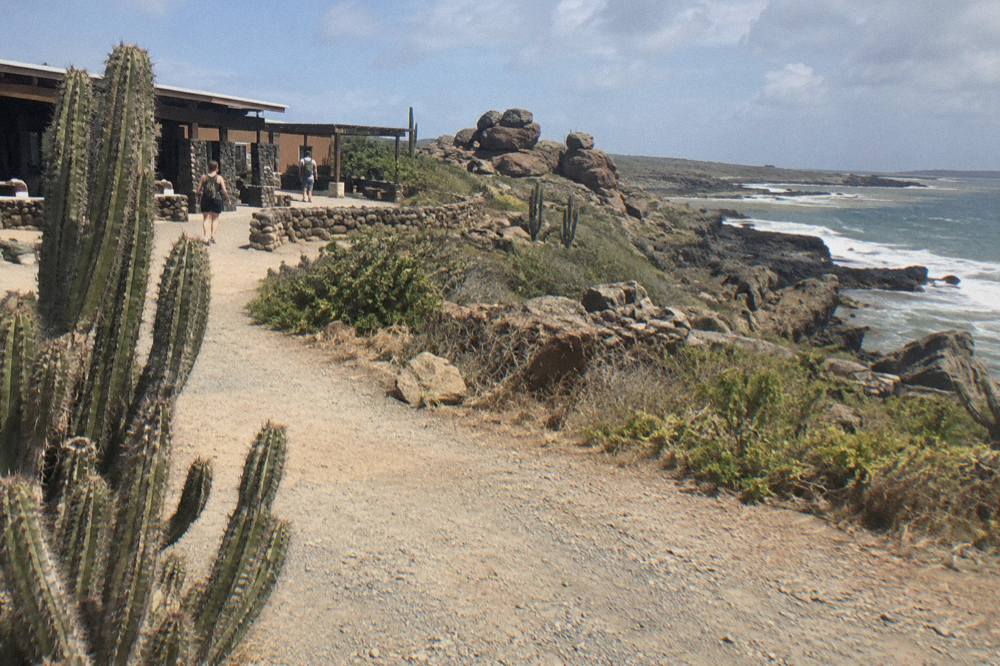
Arikok National Park, in Papiamento Parke Nacional Arikok, is a 34 square kilometer protected area on Aruba's north-east side, run by the Aruba Conservation Foundation. It covers caves with ancient pictographs, lava, quartz diorite and limestone formations, bays such as Moro, Boca Prins and Dos Playa, and the Natural Pool at Conchi, and the Aruba Tourism Authority describes most visits as guided by rangers. Whether you can actually swim at Conchi gets decided on the day itself, and how Aruba decides if the Natural Pool is closed explains who makes that call and what to ask an operator before booking a tour.
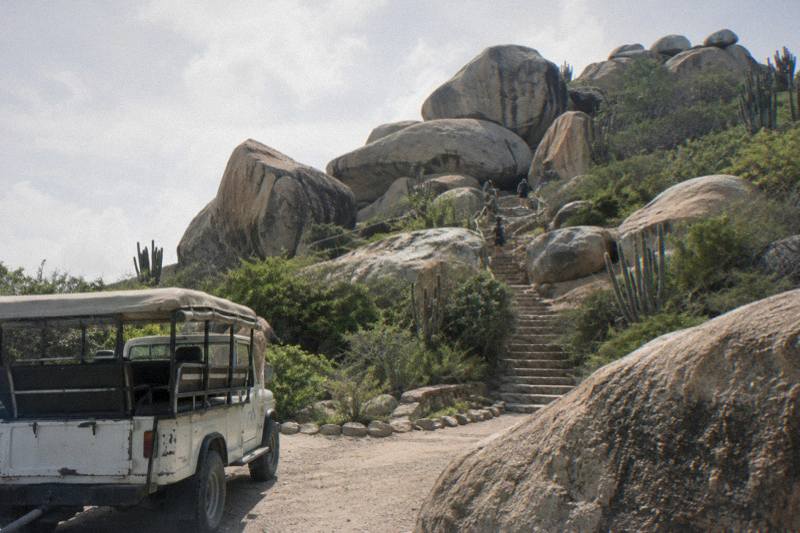
The park's size is easy to underestimate. Aruba.com notes that national park land covers nearly 20 percent of the island, and Arikok is the great bulk of it. That single fact explains most of the logistics on this page: the distances are real, the terrain changes from cactus scrub to volcanic shoreline within an hour's walk, and the track down to Conchi is rough enough that standard rental cars are turned back at the checkpoints. Nothing inside is staged for tourists. The pictographs in the caves, the rock drawings and the quiet bays are as the park protects them.
For a visitor planning a Natural Pool day, the park matters in three concrete ways. First, the day pass is required by law for entry, and it is bought at a gate, not online. Second, the vehicle rules decide how you can travel: 4x4s yes, ATVs, UTVs and motorbikes no, standard passenger cars no farther than the checkpoints. Third, rangers and posted warnings decide on the day whether swimming at Conchi is safe, because conditions on the north-east coast change quickly. Each of those gets a full section below.
Visitors comparing how the park's various trips differ can start with the natural pool trip picker, which sorts the drive-in jeep tours, the hikes and the horseback rides by what they actually include.
Where Are The Entrances And What Are The Hours?
Arikok has two entrances: the San Fuego Visitor Center, open daily from 8:00 to 3:30 with pass sales closing then, and the Vader Piet booth, which closes at 3 pm. The two official pages give slightly different opening times for Vader Piet, so plan around the earlier close and check the park's own page before you drive out.
The San Fuego Visitor Center is the main gate. The park's own home page lists it as open daily from 8:00 to 15:30, with conservation day passes and annual passes available on the spot. Rangers are available there for maps and information, which matters if you are hiking and want current trail advice. Vader Piet is the second, smaller entry point on the other side of the park, and its hours are the reason the park prints "closes at 3 pm" as the safe planning figure. Arrive after that and the booth is shut.
| Entrance | Role | Hours as listed by the park | Notes |
|---|---|---|---|
| San Fuego Visitor Center | Main gate, visitor center, ranger information | Daily 8:00 to 3:30 | Day passes and annual passes sold on site; guided ranger experiences booked by email in advance |
| Vader Piet booth | Secondary entry point | Closes at 3 pm | The two official pages give slightly different opening times; plan for the earlier close |
There is no timed-entry system and no online booking for general self-guided visits: you buy the day pass at the entrance. Guided experiences led by Nature Experience Rangers are booked in advance through the park's reservations email, which is worth doing early in peak weeks because the ranger-led walks have limited spots. A new Conservation Management Office for the foundation opened at the park in early October 2026, part of the ongoing investment in how the park is run.
The gate hours shape tour times too. The drive-in jeep safaris that reach Conchi, such as the Signature Jeep Tour from $78 per person with a 4 hour 30 minute listing total, and the Jeep Tour: Natural Pool, Caves and Baby Beach Adventure from $89 per person, both schedule their Arikok legs so the park entry and pool stop fall inside the pass-sales window. If you are self-driving to the gate to meet a tour or to hike, treat 3:30 at San Fuego as your hard deadline for arriving.
How Much Does It Cost To Enter Arikok National Park?
Entry costs a conservation day pass of USD 22 per adult; children under 17 enter free, and residents of Aruba, Bonaire and Curacao get a local discount with valid government photo ID. A valid pass is required by law, sold only at the San Fuego Visitor Center and the Vader Piet booth, not online, and the park says to check its own page for the current price.
The pass is not a tourist markup, it is a legal requirement under the park's regulations, and it funds the protection of the same terrain you are coming to see. The pricing is flat: one figure per adult per day, no child charge under 17, no separate Natural Pool fee listed on the official pages. There is no cash-free app or advance voucher to arrange, so budget the exact amount and pay at the gate. Bring a card or cash as the booth accepts, and keep the pass with you while inside.
One point that catches tour bookers: whether a tour price already covers the pass differs listing by listing. The Arikok National Park Jeep Safari from $95 per person lists the National Park Entrance Fee as included, and the National Park Arikok Jeep Safari Adventures from $109 per person lists the entrance ticket as included too. The Signature Jeep Tour from $78 per person, by contrast, lists the Arikok entrance fee as an exclusion, so you would pay the USD 22 at the gate on top. Check the inclusions on whichever listing you book rather than assuming either way.

Can You Drive To The Natural Pool Inside The Park?
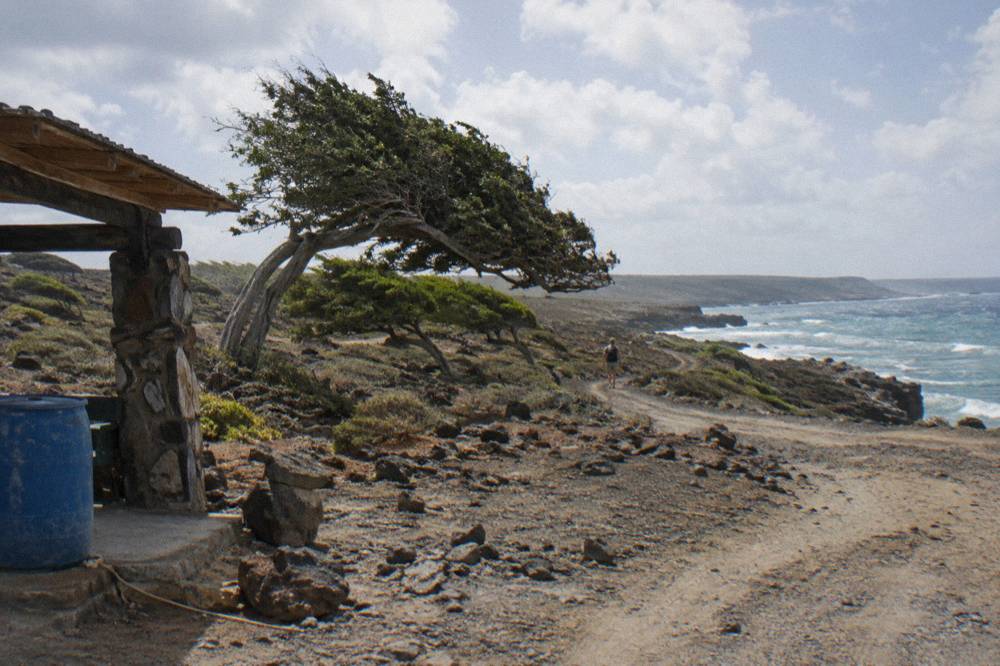
No standard car can reach the Natural Pool: the pool is reachable only by foot, horseback or 4x4, and passenger cars are not permitted beyond the park checkpoints on the Conchi track. ATVs, UTVs and motorbikes are banned outright from the park's protected areas, so a jeep tour, a horseback ride or a hike are the legal ways in.
The track itself is a rough, rocky off-road route, and most rental agreements prohibit it even for renters who arrive in something with clearance. Independent 4x4 self-drive to Conchi is described as possible with a high-clearance vehicle, offline maps and the park pass already paid, but sources consistently describe it as not recommended without local knowledge, because the route is unsigned and punishing. The official Aruba.com page for the Natural Pool puts it plainly: inexperienced drivers are encouraged to go on a jeep safari instead. The warnings do not end at the wheel, because the rules on cliff jumping at the Aruba Natural Pool are just as firm about leaping from the rocks once you arrive.
| Way of reaching Conchi | Legal inside Arikok? | What it looks like |
|---|---|---|
| Guided 4x4 or jeep tour | Yes | Drive-in tours list 20 to 45 minutes at the pool depending on the listing |
| Horseback ride | Yes | Rides from Rancho Loco to Conchi, with a swim stop listed |
| Hiking | Yes | Experienced hikers manage a 3 to 4 hour round trip; guided hikes listed from $59 per person |
| Standard rental car | No | Not permitted beyond the checkpoints on the Conchi track |
| ATV, UTV or motorbike | No | Banned from the park's protected nature areas |
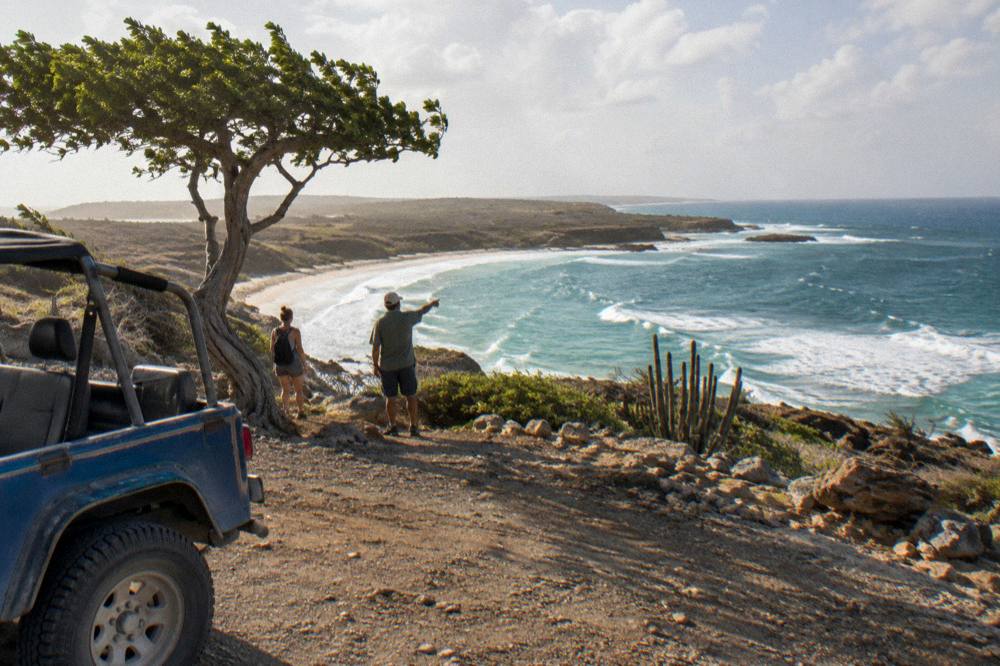
For most visitors the drive-in jeep tour is the practical answer, and the featured listing on this site is built exactly for it. The Signature Jeep Tour lists from $78 per person, carries a 4.9 rating from 1,718 reviews, runs 4 hours 30 minutes door to door, and its pool access is a 4WD drive into Arikok with 30 minutes at Conchi, with hotel or cruise-terminal pickup and free cancellation listed. It pairs the pool with Baby Beach, which is a sensible one-morning combination for a first visit. Its listing shows ice water inclusions and the park entrance fee as an exclusion, so bring the pass money.
A middle option exists for UTV riders who still want Conchi: one 6-hour combo listing from $399.68 per person runs the UTV along the north coast and then transfers guests into a guide-driven jeep for the final section into the park, because the UTV itself never enters. That listing, with 5.0 from 7,302 reviews and lunch included, is the most reviewed product in the tours covered here. Pure ATV and UTV tours, like the Aruba Off-Road ATV Tour from $90 per person, stay on north-coast routes outside the park and never visit Conchi or Arikok, and should be booked for the ride, not the pool.
Which Trails And Hikes Are Inside The Park?
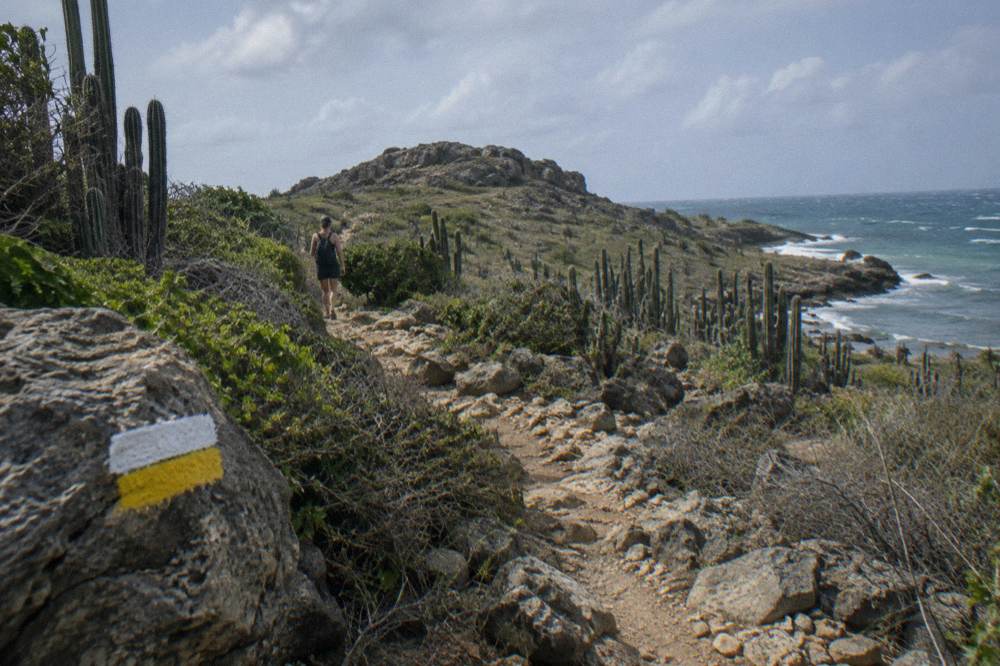
The park's marked trails include Cunucu Arikok at 5 km, Miralamar at 2 km, Jamanota Hill at 4.8 km and Rooi Tambu and Dos Playa at 7.5 km, each led by Nature Experience Rangers at USD 25, booked in advance by email. Experienced hikers can reach the Natural Pool itself in a 3 to 4 hour round trip, and commercial guided hikes to Conchi run from $59 per person.
The ranger-led walks are the park's own product, and they are a quiet bargain next to vehicle tours. All four guided trails cost USD 25 per person, from the easy 1.5 hour Miralamar to the hard 3.5 hour Rooi Tambu and Dos Playa route along the coast. None of them is the Natural Pool hike: they explore the park's interior hills, abandoned mine sites and bays. Booking goes through the park's reservations email, and rangers at the visitor center can advise on fit and current conditions on the day.
| Ranger-led trail | Distance | Duration | Difficulty | Guided price |
|---|---|---|---|---|
| Cunucu Arikok | 5 km | 1.5 hr | Easy | USD 25 |
| Miralamar | 2 km | 1.5 hr | Easy | USD 25 |
| Jamanota Hill | 4.8 km | 2 hr | Hard | USD 25 |
| Rooi Tambu and Dos Playa | 7.5 km | 3.5 hr | Hard | USD 25 |
For the pool specifically, the guided options are commercial listings rather than ranger walks. The Sunrise Hike and Swim lists from $59 per person with a 3 hour 30 minute total, meeting at a point with no transport provided, and its listing states the conservation fee as an exclusion. The Arikok Sunrise Hiking Tour with transportation lists from $110 per person and includes the Arikok entrance fee, water and fruit, a private guide and snorkel gear. A half-day version, the Half Day Hike at Arikok National Park and Snorkel, lists from $115 per person with a 5.0 rating from 39 reviews and includes private transport and the entrance fee. More detail on routes and timing is in the Arikok hiking guide.
Hiking to Conchi is not wheelchair accessible, and the official page for the pool flags uneven terrain, rocky paths and steep natural stone steps, with moderate physical ability needed. Sunrise departures exist for a reason: the north-east coast heats up fast and there is no shade at the pool itself.
What Are The Park Rules Visitors Must Follow?
The park's posted rules set a 20 km/h speed limit, require vehicles to stay on park roads and indicated parking, and prohibit drones, pets, littering, rock stacking and collecting or disturbing any animals or plants, with violations punishable under Aruba law. On top of those, ATVs, UTVs and motorbikes are banned from protected nature areas, and swimming at Conchi is decided day by day by rangers based on sea conditions.
The rules sign at the park is short and enforced. The 20 km/h limit matters on the Conchi track, where tour jeeps and the occasional permitted private 4x4 share a narrow rocky route. Drones are prohibited outright, which surprises visitors who travel with one for coastline footage. No dogs or other domestic animals, no metal detectors, no geological extraction, no rock stacking, and the park asks visitors to keep quiet, fitting for a protected area whose selling point is what has survived untouched.
| Rule | What it means in practice |
|---|---|
| Speed limit 20 km/h (12 mph) | Applies on all park roads including the Conchi track |
| Stay on park roads, use indicated parking | No off-roading away from marked routes |
| Drones prohibited | No aerial photography inside the park |
| No pets, littering or rock stacking | Leave the terrain as found; pack out everything |
| No collecting animals, plants or rock | Pictographs and formations are protected, take photos only |
| ATV, UTV and motorbike ban | Enforced at the checkpoints; only permitted 4x4s proceed |
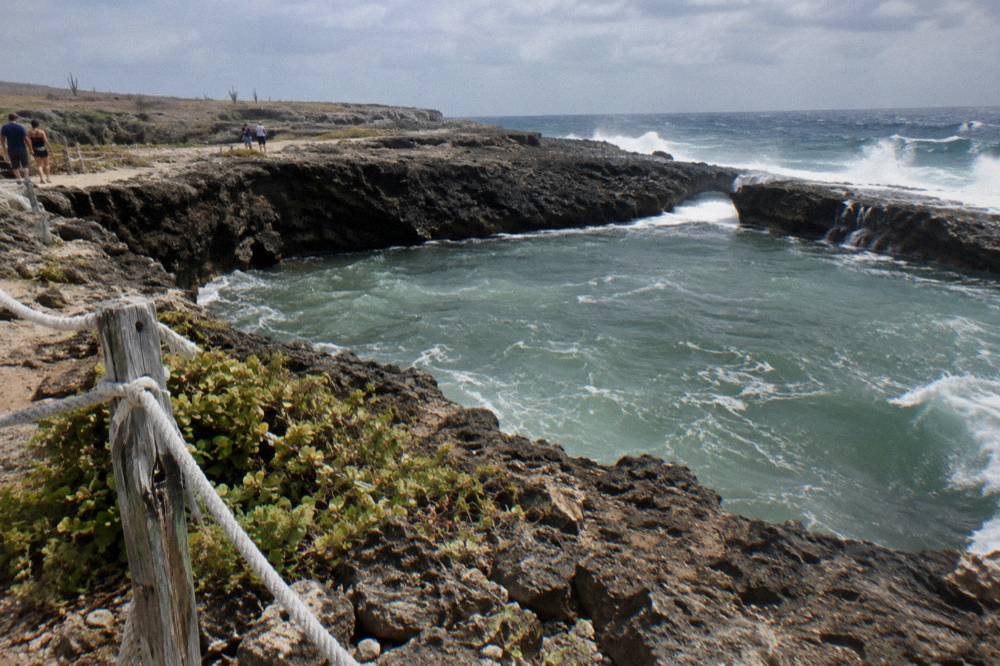
The swim rule deserves its own emphasis. Swimming at Conchi is only safe when ocean conditions are calm, waves can crash over the volcanic rim, and conditions change quickly, so rangers and operators decide on the day and posted warnings override everything else. Water shoes are strongly recommended for the sharp volcanic rock. No source in the park's own materials promises a swim on any date, and neither does any honest tour description. Facilities at the pool are limited, with a small snack and refreshment stand often available at the top of the stairs during the day, so bring your own water regardless. The full safety picture, including what to pack, is covered in the swimming safety guide.
Which Tours Inside The Park Are Worth Booking?
The listings that legally reach the Natural Pool split into drive-in jeep tours from $78 to $121.80 per person, horseback rides from $155 per person, guided hikes from $59 per person and private jeeps and 4x4s priced per group. Ratings across the drive-in group run from 4.2 to 4.9 with review counts from 66 to 1,718, and inclusions like the park fee, lunch and snorkel gear differ listing by listing.
Choice here is genuine, not cosmetic. The Caves Jeep tour from $87 per person, rated 4.8 from 243 reviews, gives 45 minutes at Conchi, the longest pool stop among the shared drive-ins, plus snorkel gear and a guide who drives and narrates in English or Spanish. The Baby Beach Jeep from $89 per person, 4.7 from 1,371 reviews, lists national park fees and hotel or port pickup as included with lunch as an exclusion. The Arikok Jeep Safari from $95 per person, 4.9 from 505 reviews, includes the entrance fee and runs 5 hours with a 20-minute pool stop. Comparing those three is mostly a question of time at the pool versus time at caves and Baby Beach.
| Tour (decision name) | Price | Rating and reviews | Time at Conchi | Park fee listed |
|---|---|---|---|---|
| Budget Fofoti Signature Jeep | From $78 per person | 4.9 from 1,718 reviews | 30 min | Excluded |
| Caves Jeep, 4 to 6 hours | From $87 per person | 4.8 from 243 reviews | 45 min | Included (landing and facility fees) |
| Baby Beach Jeep, no meal | From $89 per person | 4.7 from 1,371 reviews | 35 min | Included |
| Arikok Jeep Safari, 5 hours | From $95 per person | 4.9 from 505 reviews | 20 min | Included |
| Rancho Loco Horseback Ride | From $155 per person | 4.9 from 1,270 reviews | Swim stop listed | Included |
The horseback route is the one that surprises people most, in a good way. The Rancho Loco ride lists from $155 per person for 3 hours 30 minutes, rated 4.9 from 1,270 reviews, with hotel or port pickup, national park fees, helmets mandatory for riders 12 and under, bottled water and a swim in the pool all on the inclusion list. Its listing also states a strictly enforced maximum rider weight of 220 lbs fully clothed for the wellbeing of the horses and riders, one of the few hard limits printed anywhere in the tours covered here. Riders who want the pool without engine noise or a hiking pace get it here.
Private options round out the board. The Private Open Air Safari Jeep lists from $211.55 per group for 3 to 8 hours, 4.9 from 380 reviews, with snorkel gear, bandanas and non-alcoholic drinks included. The Private Jeep Safari with snorkeling lists from $299 per group for 6 hours and includes the Arikok entry admission. Private prices are per group, not per person, so a family of four can find them closer to the shared tours than the sticker suggests. This site, Aruba Natural Pool Tours, keeps the full comparison in one place, including fees and tickets explained in detail.
What Should You Bring For A Day In Arikok?
Bring water, water shoes, reef-safe sunscreen, a swimsuit, a towel and a dry bag, because the park and the pool have limited facilities, sharp volcanic rock underfoot and almost no shade, and a small snack stand may or may not be open at the top of the pool steps. Durable footwear matters as much as anything on the stone steps down to the water.
The park is semi-arid, and the official climate record puts Aruba in the Southern Caribbean Dry Zone with sustained moderate to fresh easterlies, mean wind speeds of roughly 6 to 9 meters per second depending on month, and June the windiest. Those are airport figures from the south-west side, not north-coast readings, but the direction of advice is the same: wind and sun dehydrate you faster than you notice, and the dry season, roughly February through June, is when hikers most need to carry more water than feels reasonable. A liter or two per person is the standard recommendation across the 2026 planning guides.
What not to bring matters too. Leave the drone at the hotel, it is prohibited. Leave the pet, also prohibited. If you are on a tour that lists ice water refills, like the Signature Jeep with its bring-your-own-canteen approach, a refillable bottle does the job. For the full packing breakdown by trip type, see the what-to-bring guide. The Aruba Conservation Foundation maintains the official park pages at acf.aw, and the Natural Pool access rules are stated by Aruba's official tourism site; both are worth a read before the day. For weather context, the Meteo Aruba climate page publishes the island's official normals.
Common Questions About Arikok National Park
How Much Does It Cost To Enter Arikok National Park?
A conservation day pass costs USD 22 per adult, children under 17 enter free, and residents of Aruba, Bonaire and Curacao receive a local discount with valid government photo ID. The pass is required by law and is sold at the San Fuego Visitor Center and the Vader Piet booth, not online. Check the park's own page for the current price.
Can You Drive A Regular Car To The Natural Pool?
No. The pool is reachable only by foot, horseback or 4x4, and standard passenger cars are not permitted beyond the park checkpoints on the Conchi track. Most rental agreements also prohibit the rough track even in higher vehicles, which is why guided jeep tours are the standard way in.
Are UTVs Or ATVs Allowed Inside Arikok National Park?
No. The Aruba Conservation Foundation prohibits ATVs, UTVs and motorbikes in the park's protected nature areas. UTV and ATV tours run north-coast routes outside the park. The only UTV-based listing that reaches Conchi does so by transferring guests into a guide-driven jeep for the final section.
What Are The Arikok National Park Opening Hours?
The San Fuego Visitor Center entrance is open daily from 8:00 to 3:30, with pass sales closing then. The Vader Piet entrance closes at 3 pm. The two official pages give slightly different opening times for Vader Piet, so plan around the earlier close and confirm before you go.
Can You Swim At The Natural Pool Inside The Park?
Swimming is only safe when ocean conditions are calm, and conditions change quickly. Rangers and tour operators decide on the day, and posted warnings apply. Water shoes are strongly recommended for the sharp volcanic rock, and no source guarantees a swim on any given date.
Do Tour Prices Include The Arikok Entrance Fee?
It differs by listing. Some, like the Arikok Jeep Safari from $95 per person, list the National Park Entrance Fee as included. Others, like the Signature Jeep Tour from $78 per person, list the entrance fee as an exclusion. Check the inclusions on the specific listing before you book.