Best Time To Visit Aruba: Weather, Seas And Crowds
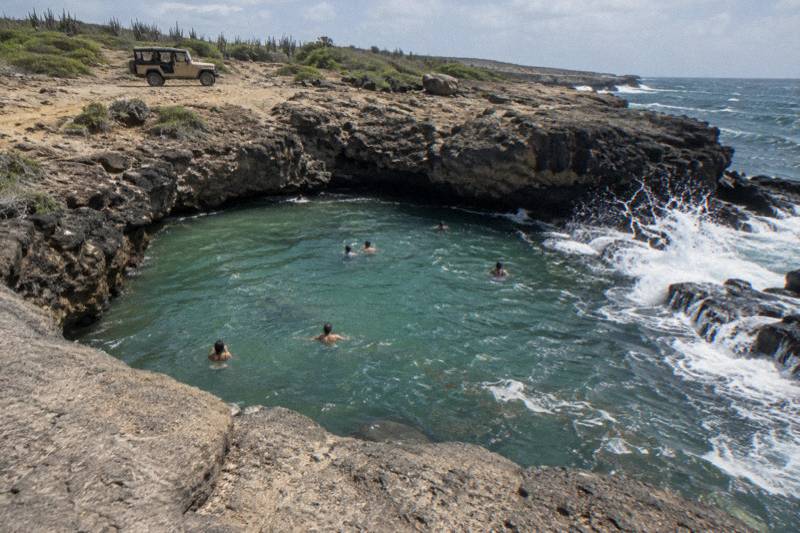
Aruba sits in the Southern Caribbean Dry Zone, and that dryness is the whole reason the island works as a year-round destination. But the Natural Pool at Conchi has its own calendar of wind, rain and park hours, and the month you pick changes what your trip looks like.
Short answer
Aruba's dry season runs roughly February through June and its rainy season roughly September through January, per official Meteo Aruba airport normals. The park sells day passes from 8:00 and stops at 3:30 at San Fuego, adults pay USD 22. Sea conditions at the pool are decided by rangers on the day, not by the calendar.
Aruba is semi-arid, sits on the southern fringes of the hurricane belt, and averages just 451.1 mm of rain across an entire year at the official airport station. For comparison, that is less than many Caribbean islands receive in a single wet month. The planning question is rarely whether Aruba will be pleasant, it is which month gives you the version of the island you want: the dry, windy stretch that hikers favor, or the quieter, calmer shoulder months when the wind eases. This guide works through the official climate normals from Meteo Aruba, the park's own hours and fees, and how each season matches the Natural Pool tours listed here, from the Signature Jeep Tour at from $78 per person to the sunrise hikes and horseback rides.
What Is The Best Time To Visit Aruba For The Natural Pool?
The best time to visit Aruba for the Natural Pool, based on official climate data rather than crowd folklore, is roughly February through June, the island's dry season, when rainfall averages under 18 mm per month at the airport station. That said, no month guarantees a swim at Conchi, because swimming there depends on ocean conditions that rangers and operators assess on the day, not on the season.
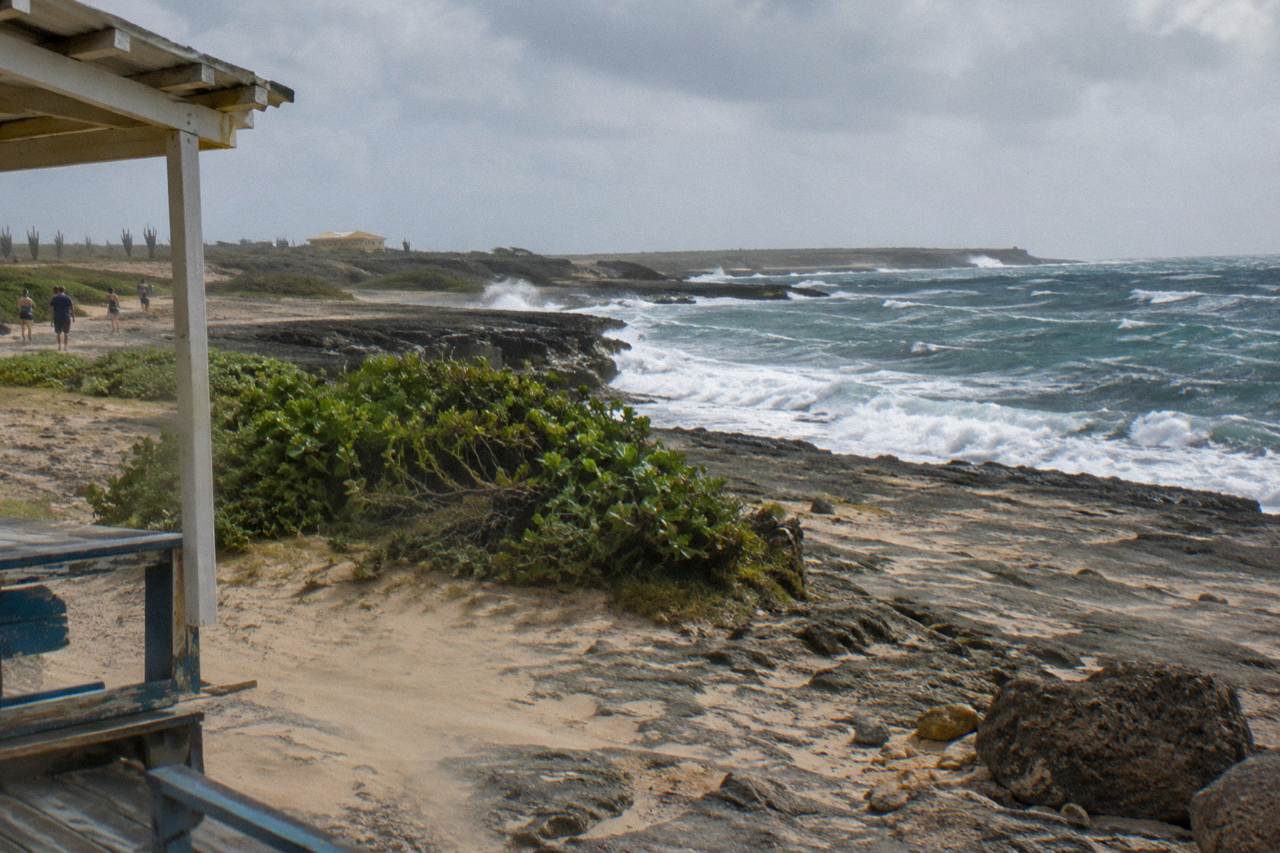
Dry months mean drier trailheads, drier jeep tracks inside Arikok National Park, and more predictable hiking on the north-east coast where the pool sits. The trade-off is wind: the same February-to-June window includes the windiest months on the official normals, with June the strongest at a mean of 8.8 m/s at the airport. Wind is a comfort factor on an open jeep or a boat deck, and it is worth weighing against the near-zero rainfall of March and April.
The other half of the planning picture is administrative rather than meteorological. Arikok National Park stops selling day passes at 3:30 at the San Fuego Visitor Center, and the Vader Piet booth closes at 3 pm. Whatever month you choose, your tour needs to fit the park's day, not the other way around. The Aruba Natural Pool Tours homepage comparison groups every trip by how it reaches the pool, which is the fastest way to see which departure times exist.
For a fuller treatment of pool conditions specifically, the Natural Pool best-time guide covers the swim question in depth, and the what to bring guide handles the packing side of a dry, windy day on volcanic rock.
When Is Aruba's Dry Season?
Aruba's dry season runs roughly February through June, according to the Meteorological Department Aruba's 1991 to 2020 climatological normals for the airport station. March and April are the driest months on record, averaging 10.0 mm and 8.6 mm of rain respectively, with just 2.0 and 1.5 days per month receiving 1.0 mm or more.
Those airport figures matter for planning even though the pool sits on the opposite, north-east side of the island. They are the only official station normals published for Aruba, and they describe the island-wide regime: a Southern Caribbean Dry Zone climate with sustained moderate to fresh easterly winds and early-morning showers when rain does fall. Rain in Aruba typically arrives in short early-morning bursts rather than all-day systems, so even a wet-season day usually clears.
| Month | Mean rainfall (mm) | Days with 1.0 mm or more |
|---|---|---|
| February | 19.5 | 4.5 |
| March | 10.0 | 2.0 |
| April | 8.6 | 1.5 |
| May | 14.1 | 1.7 |
| June | 17.4 | 2.8 |
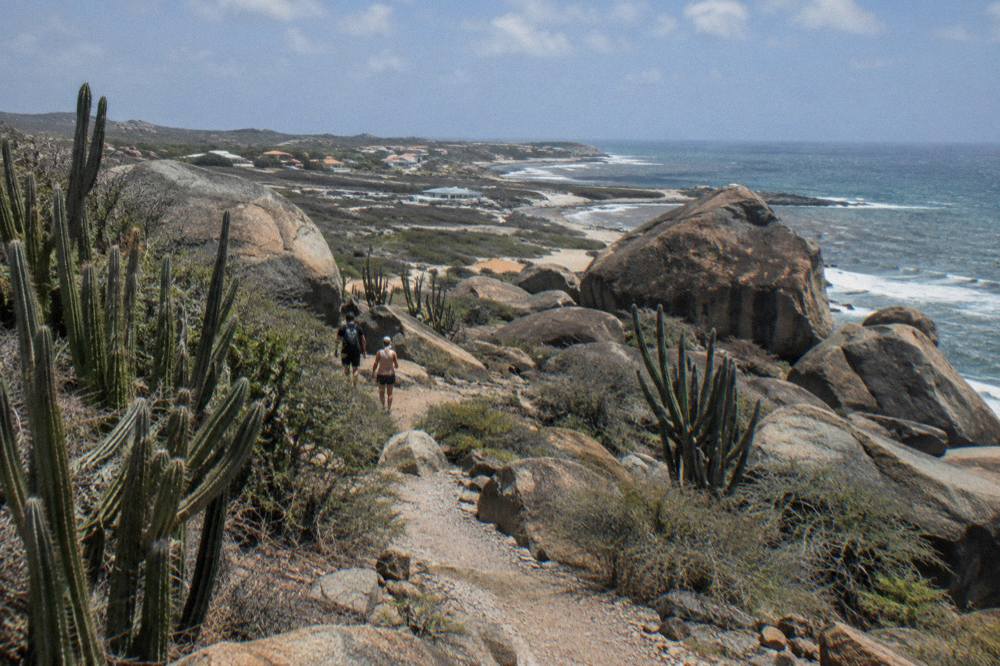
The dry stretch is when the hikes listed here make the most sense. The Sunrise Hike & Swim in Natural Pool, from $59 per person with a 4.9 rating from 123 reviews, walks the north coast to Conchi before the heat builds, and a dry track is simply a better track. The Arikok Sunrise Hiking Tour to Natural Pool, from $110 per person with transport included and the Arikok entrance fee in the listed inclusions, covers the same logic for hikers who want pickup. Neither is a swim guarantee, the listing describes a swim stop and rangers decide on the day, but both fit the dry months comfortably.
Jeep tours run in every season, and the dry months are when the open-air format is at its best. The Signature Jeep Tour from $78 per person, 4.9 from 1,718 reviews, spends about 30 minutes at Conchi according to its pool-access details, and the Baby Beach Jeep Adventure from $89 per person, 4.7 from 1,371 reviews, gives roughly 35 minutes at the pool plus a Baby Beach stop with hotel and port pickup listed.

What Are The Wettest Months In Aruba?
Aruba's rainy season runs roughly September through January, with November the wettest month on the official normals at 87.1 mm, followed by December at 80.1 mm and October at 76.5 mm. Even so, November averages 9.6 days with measurable rain, meaning most days stay dry, and rain tends to fall in early-morning showers.
Wet-season planning is really wind planning in disguise. The November and December means of 5.6 and 6.6 m/s are the calmest of the year at the airport station, against a June peak of 8.8 m/s. Travelers who find constant fresh trade wind tiring, on a boat, on a beach chair, on an open jeep at speed, often prefer exactly the months the rainfall table flags as wettest. The showers are real but short, and the calmer air is a genuine trade.
| Month | Mean rainfall (mm) | Days with 1.0 mm or more | Mean wind (m/s) |
|---|---|---|---|
| July | 31.4 | 4.1 | 8.2 |
| August | 19.6 | 3.1 | 7.9 |
| September | 42.9 | 3.3 | 6.8 |
| October | 76.5 | 7.3 | 6.0 |
| November | 87.1 | 9.6 | 5.6 |
| December | 80.1 | 11.0 | 6.6 |
Two practical notes belong here. First, these are airport figures from the south-west side of the island, not north-coast or Conchi readings; the Meteorological Department publishes them for a single station and they should not be quoted as conditions at the pool. Second, hurricane-belt anxiety is mostly misplaced for Aruba: the official climate summary notes the island is on the southern fringes of the belt and that considerable damage from tropical cyclones passing just south of Aruba occurs roughly once every 100 years, though storms passing to the north can cause beach erosion and coastal flooding.
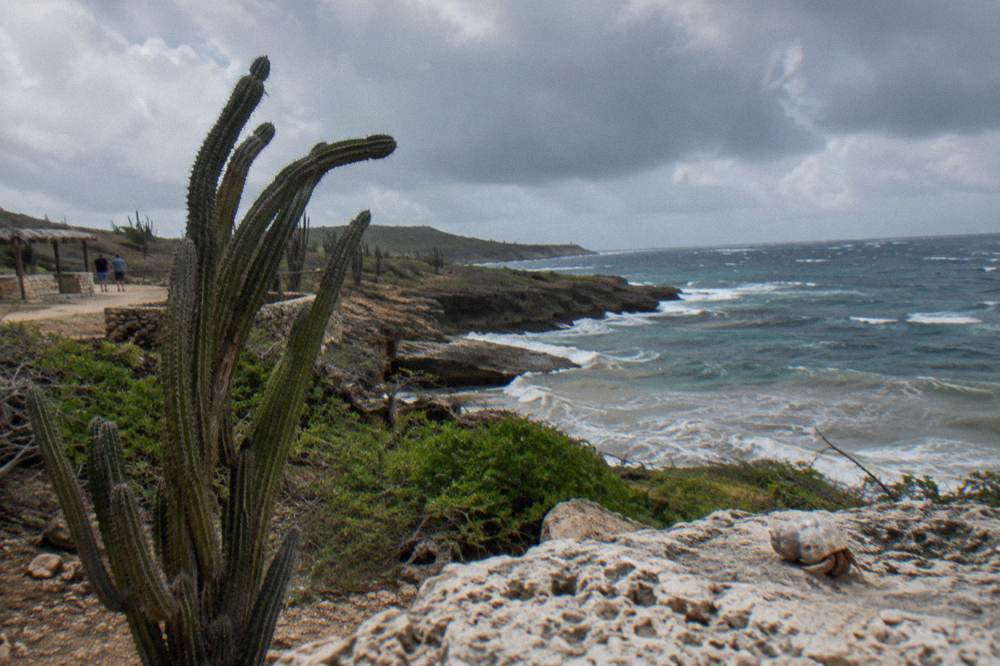
For wet-season months, the covered or partially sheltered formats earn their keep. The Arikok National Park Jeep Safari, from $95 per person, 4.9 from 505 reviews, lists the National Park Entrance Fee among its inclusions and runs 5 hours, long enough that a passing shower becomes scenery rather than a schedule problem. Its pool access is a drive-in with 20 minutes at Conchi.
When Can You Swim In The Natural Pool?
Swimming at the Natural Pool is only safe when ocean conditions are calm, and conditions there can change quickly, so the decision is made on the day by rangers and operators rather than by season or by month. The official guidance is to follow posted warnings and ranger advisories, and water shoes are strongly recommended on the sharp volcanic rock.
The pool, also called Conchi or Cura di Tortuga, is a volcanic-rock basin on the north-east coast where surf sprays over the rim as the tide rushes in. When the ocean is calm it is described by the island's official tourism pages as a protected spot to swim and snorkel; when waves crash over the rocks, swimming closes. No official source assigns this to particular months, and any page that promises calm water in a given season is going beyond what the authorities state. What you can plan is the format: a listing that includes snorkel equipment, like the Caves Jeep Tour from $87 per person, 4.8 from 243 reviews, which lists snorkeling gear and bottled water among its inclusions, means you are equipped if the basin is calm when you arrive.
The honest planning move is to build a day, not a swim. Tours that combine the pool with caves, Baby Beach or a north-coast drive still deliver if the rangers close the water, and the swimming safety guide walks through exactly how those day-of decisions work. Cliff jumping deserves a specific note: no official source in the material here allows or recommends it, and this site does not either.
What Are The Park's Hours And Fees?
Arikok National Park's San Fuego Visitor Center is open daily from 8:00 to 3:30, when pass sales close, and the Vader Piet booth closes at 3 pm. A conservation day pass is required by law to enter and costs USD 22 per adult, with children under 17 free and a local discount for residents of Aruba, Bonaire and Curacao with valid local photo ID.
The pass is sold at the two entrances only, not online, and there is no timed-entry system for self-guided visits, according to the park's managing body, the Aruba Conservation Foundation. One pass covers the park including the route to Conchi; no separate Natural Pool fee is listed on the official pages. If your tour's listing shows the entrance fee as included, as the Arikok Jeep Safari and the Fofoti Arikok Park Jeep do, you do not pay it again at the gate. If the listing shows it as excluded, as the Signature Jeep Tour's line does for the Arikok entrance, budget the USD 22 on top and check the park's own page for the current price.
| Item | Figure | Source basis |
|---|---|---|
| Adult day pass | USD 22 | Park's official page |
| Children under 17 | Free | Park's official page |
| Local resident discount | Available with valid local photo ID | Park's official page |
| San Fuego pass sales | Daily, close at 3:30 | Park's official page |
| Vader Piet booth | Closes at 3 pm | Park's official page |
Hours shape tour timing more than most visitors expect. A listing that totals 6 hours with pickup from hotels cannot start mid-afternoon and still reach Conchi inside the park's day, which is one reason the long formats, like the UTV Adventure with jeep transfer, from $399.68 per person, 5.0 from 7,302 reviews, are morning departures. The fee side of the planning is covered in more detail in the Arikok tickets and fees guide.
Which Tours Fit Which Season?
Dry-season months, roughly February through June, favor the open formats: sunrise hikes, horseback rides and open-air jeeps, when tracks are dry and rainfall is minimal. Wind-sensitive travelers and wet-season visitors lean toward longer jeep safaris and combination tours, where a passing shower is a minor event inside a five or six hour itinerary that carries the park fee and water in its listed inclusions.
The horseback option deserves a special mention for the dry stretch. The Rancho Loco Horseback Ride to the pool, from $155 per person, 4.9 from 1,270 reviews, lists hotel and port pickup, national park fees, helmets for riders 12 and under, and a swim stop, and its listing states a maximum rider weight of 220 lbs fully clothed, strictly enforced. On a dry track that ride is a completely different experience from a wet one, and the longer Horseback Riding and Natural Pool Adventure, from $199 per person, 4.9 from 60 reviews, adds a jeep leg with about 60 minutes at Conchi.
| Season character | Best-fitting formats | Example listing |
|---|---|---|
| Dry and windy, Feb to Jun | Sunrise hikes, horseback, open-air jeep | Sunrise Hike & Swim, from $59 per person |
| Dry, calm transition | Signature shared jeep, 4.5 hours | Signature Jeep Tour, from $78 per person |
| Wet-season showers, calm air | Longer safari with park fee included | Arikok Jeep Safari, from $95 per person |
| Any season, horseback | Guided ride with pickup and park fees | Rancho Loco ride, from $155 per person |
| Any season, private | Private jeep with entrance ticket listed | Private Jeep Tour National Park, from $299 per group |
Nothing in the climate data argues against any month for the private formats. The Private Jeep Tour National Park, from $299 per group for the vehicle, 4.9 from 403 reviews, lists the Arikok entrance ticket, breakfast and snorkel equipment among its inclusions and gives about 45 minutes at the pool. A private departure simply absorbs weather flexibility better than a fixed shared schedule, since the operator, not a convoy, sets the pace. The trip picker walks that choice in detail.
Should You Plan Around Wind Instead Of Rain?
Yes, for many visitors wind matters more than rain in Aruba: the island's mean wind speed runs 7.4 m/s across the year at the airport station, with June the strongest month at 8.8 m/s and November the calmest at 5.6 m/s, and the easterly trade flow is sustained rather than gusty. Rain, by contrast, averages under 90 mm even in the wettest month.
Wind changes the feel of every open format. On an open-air safari truck at 20 minutes to Conchi, or on horseback along the coast, a fresh easterly is part of the experience and most visitors enjoy it, but it is worth knowing before you book that Aruba is a windy island by Caribbean standards and that the dry season is the windy season. The Meteo Aruba normals also note that cloud cover is lowest in February and highest in May, a small but real consideration for photographers.
| Month | Mean wind (m/s) | Character |
|---|---|---|
| January | 7.2 | Fresh, easing from the calm of late year |
| March | 7.9 | Fresh, very dry |
| June | 8.8 | Windiest month on the normals |
| September | 6.8 | Moderate, early rainy season |
| November | 5.6 | Calmest month on the normals |
If you are timing a trip purely around comfort on the water rather than hiking, the September-to-November window trades a few more showers for the calmest air of the year. Confirm sea conditions with your operator on the day, as always. The best time for the Natural Pool guide pairs this with the swim question.
A note on this last listing, because it is the most misunderstood product on the island. UTVs and ATVs are banned inside Arikok National Park, per the park's own rules and the Aruba Tourism Authority, so no UTV ride reaches Conchi. This 6-hour tour is the exception that works: the UTV leg runs the north coast, and a guide-driven jeep carries guests the final section into the park to the pool. It lists lunch, a local guide and a $50 insurance fee among its inclusions, with the Arikok entrance fee excluded. It is a calm-day, long-day commitment at from $399.68 per person, and with 5.0 from 7,302 reviews it is the most reviewed listing covered on this site by count.
What About Entry Requirements And Cruise Days?
Every air arrival needs the free Online ED Card completed within 7 days before arrival, with most visitors aged 8 and older paying a USD 20 Sustainability Fee by card during the process, through the official portal only. Cruise passengers generally do not complete an ED Card unless their vessel requires Aruba Immigration, and ship days vary, so check the port schedule and your ship's all-aboard time rather than assuming a tour fits.
The fee and card details come from the Aruba Tourism Authority's ED Card guidance, and the practical warning that comes with it is that unofficial third-party sites charge extra for the same free form. On the cruise side, several listings here name port or cruise terminal pickup explicitly, including the Baby Beach Jeep Adventure and the Caves Jeep Tour, both from under $90 per person, but port pickup is not a schedule guarantee: only your ship's all-aboard time tells you whether a 4 or 6 hour tour works, and the cruise port excursions guide works through that arithmetic.
For everyone else, the entry mechanics are a five-minute online task, and the real planning weight falls back on the climate and park sections above. Pick the month for the wind and rain profile you want, book the format that fits, carry the USD 22 for the pass if your listing excludes it, and let the rangers make the swim call on the day.
Common Questions About The Best Time To Visit Aruba
What Is The Best Time To Visit Aruba?
Roughly February through June, the official dry season, when monthly rainfall at the airport station averages under 18 mm and trail and track conditions are at their best. The same window is the windiest, so travelers sensitive to constant trade wind often prefer the calmer September-to-November stretch despite a few more showers.
Does Aruba Have A Rainy Season?
Yes, roughly September through January, with November the wettest month at 87.1 mm on the official 1991 to 2020 airport normals. Showers usually fall in the early morning and most days still clear; December averages 11.0 days with measurable rain, not all-day rain.
Is Aruba In The Hurricane Belt?
Aruba is on the southern fringes of the belt. The official climate summary states that considerable damage from tropical cyclones passing just south of Aruba occurs about once every 100 years, though storms passing to the north can still cause beach erosion and coastal flooding.
When Can You Swim In The Natural Pool?
Only when ocean conditions are calm, and rangers and operators decide on the day. No official source assigns swimming conditions to particular months, so book the tour, follow posted warnings at Conchi, and treat a calm basin as a bonus rather than a promise.
How Much Does Arikok National Park Cost To Enter?
A conservation day pass costs USD 22 per adult, children under 17 enter free, and it is sold only at the San Fuego Visitor Center and the Vader Piet booth, not online. Some tour listings include the fee and some exclude it, so read your listing and check the park's own page for the current price.
What Time Does Arikok National Park Close?
Pass sales at the San Fuego Visitor Center close at 3:30 daily, and the Vader Piet booth closes at 3 pm. Tours reach the pool inside the park's day, which is why most full-day formats depart in the morning.