Natural Bridge Aruba: The Collapsed Arch And Nearby Stops
The Natural Bridge on Aruba's north coast collapsed in 2005, but the site, the smaller Baby Bridge nearby and the whole wild shoreline remain a fixture of north-coast sightseeing, and they pair naturally with a jeep or horseback trip to the Natural Pool at Conchi.
Short answer
The original Natural Bridge collapsed on September 2, 2005, after natural erosion. The site remains a viewpoint, and the smaller Baby Bridge stands nearby. There is no bridge entrance fee; the coast itself is open shoreline. Most visitors see it on a north-coast drive or on a tour that also reaches the Natural Pool inside Arikok National Park, where an adult day pass costs USD 22.
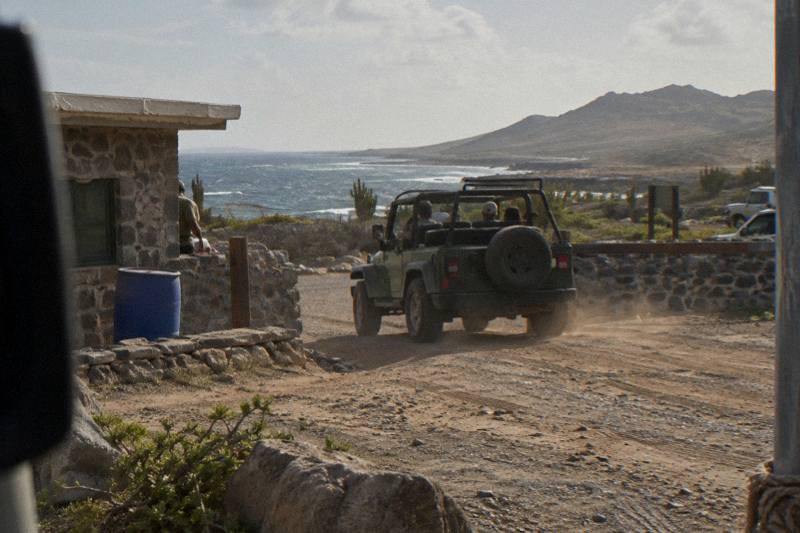
Aruba's most photographed natural arch no longer exists, and that single fact confuses a surprising number of visitors who arrive expecting to walk across it. The original Natural Bridge, a coral limestone span on the island's rough north-east shore, gave way on September 2, 2005, the end point of a slow erosion process that the sea had been working on for centuries. What the collapse left behind is still worth the drive: a fractured cliff platform where the arch once stood, a smaller surviving span that locals call the Baby Bridge, and one of the most atmospheric stretches of coastline on the island.
The site also sits conveniently inside the same north-coast sightseeing loop that many travelers combine with Arikok National Park and the Natural Pool at Conchi. Several of the tours listed here do exactly that in a single morning or afternoon, from the Aruba Signature Jeep Tour, which drives into Arikok to the pool and continues to Baby Beach, to horseback rides that reach Conchi on trails from Rancho Loco. This guide explains what happened to the bridge, what you can actually see today, which listings name the north-coast stops, and how to plan a day that pairs the shoreline with a swim in the rock pool.
What Happened To The Natural Bridge In Aruba?
The original Natural Bridge collapsed on September 2, 2005, brought down by natural erosion of the coral limestone after standing for centuries as the largest structure of its kind in the Caribbean. No one was injured in the collapse, and the sea continues to shape the same cliff line today, which is exactly why the smaller Baby Bridge nearby will one day meet the same fate.
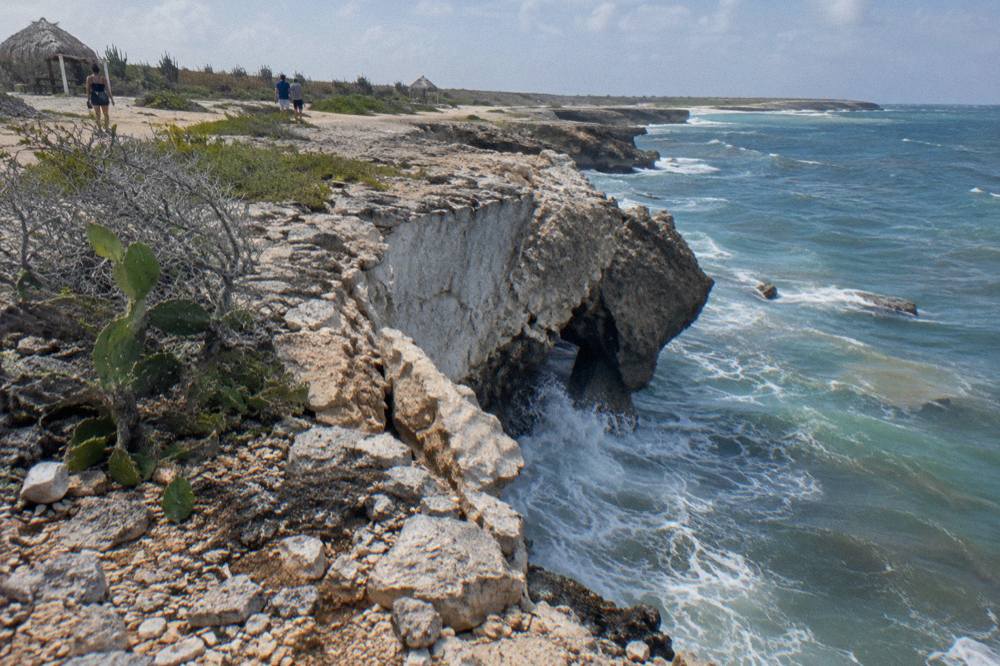
The bridge was formed the slow way. Waves attacking the base of the limestone plateau on the north-east coast hollowed out a cavity, and the roof of that cavity remained standing as an arch, thick enough at its height that visitors could walk out across it. Erosion never stops on a coast like this one, and on the morning of September 2, 2005, the span gave way and dropped into the surf. Reports from the period describe the collapse happening before the day's visitors arrived, which is fortunate, because the arch had been a regular stop on island sightseeing routes for decades.
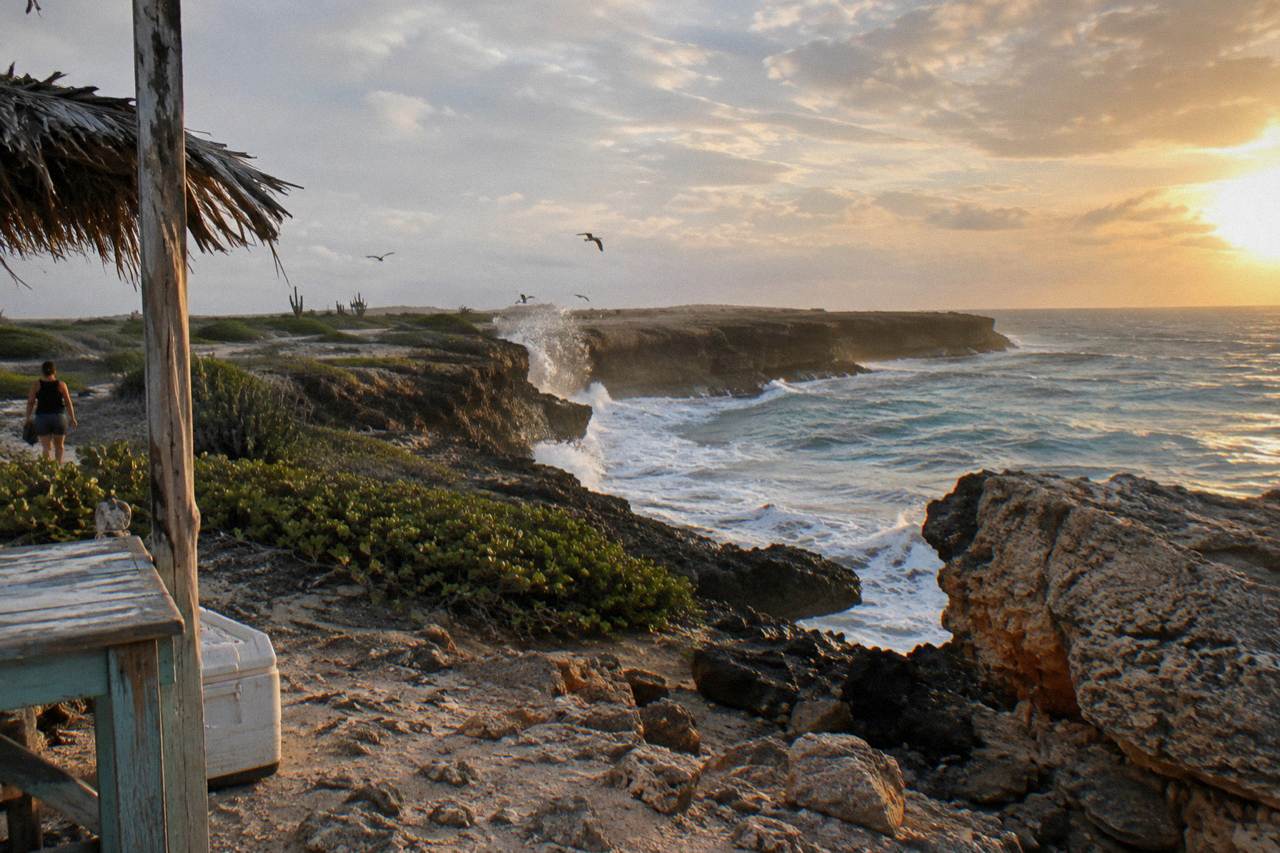
What remains is a cliff shelf and the two stumps of the arch, one on each side of the gap. Seen from the viewing area, the scale of the missing span is easy to read in the rock, and the sea still pushes through the gap with force on a windy day. The Aruba Tourism Authority's own pages describe this coast as shaped by lava, quartz diorite and limestone formations, and the bridge site is the most vivid single illustration of that geology on the island. For the official picture of what the coastline holds, including the Natural Pool a few kilometers south, Aruba.com's Natural Pool page is the primary reference.
A practical point follows from the geology: the cliff edge at the site is unfenced nature, not a engineered viewpoint. Stay behind the natural ridge, keep children close, and treat the spray zone as off limits. The same advice applies along the whole north-east shore, where waves arrive with far more force than the calm south-side beaches suggest.
Can You Still Visit The Natural Bridge Site Today?
Yes, the site is still visited daily and remains a recognized stop on the north coast, with no entrance fee or gate of its own, because the bridge is simply a feature of the open shoreline rather than a ticketed attraction. What visitors see now is the collapsed remnant, the Baby Bridge a short distance along the coast, and a wild seascape that many guests report enjoying as much as the arch itself.
The viewing area is a pull-off on the coastal road, and the whole stop typically takes fifteen to thirty minutes unless you linger over the scenery. Photographers gravitate here at sunrise and late afternoon, when the low light warms the limestone and the surf catches the color. Because there is no gate, there is also no opening hour in the official sense, though common sense says to visit in daylight on a coast with uneven rock and no lighting.
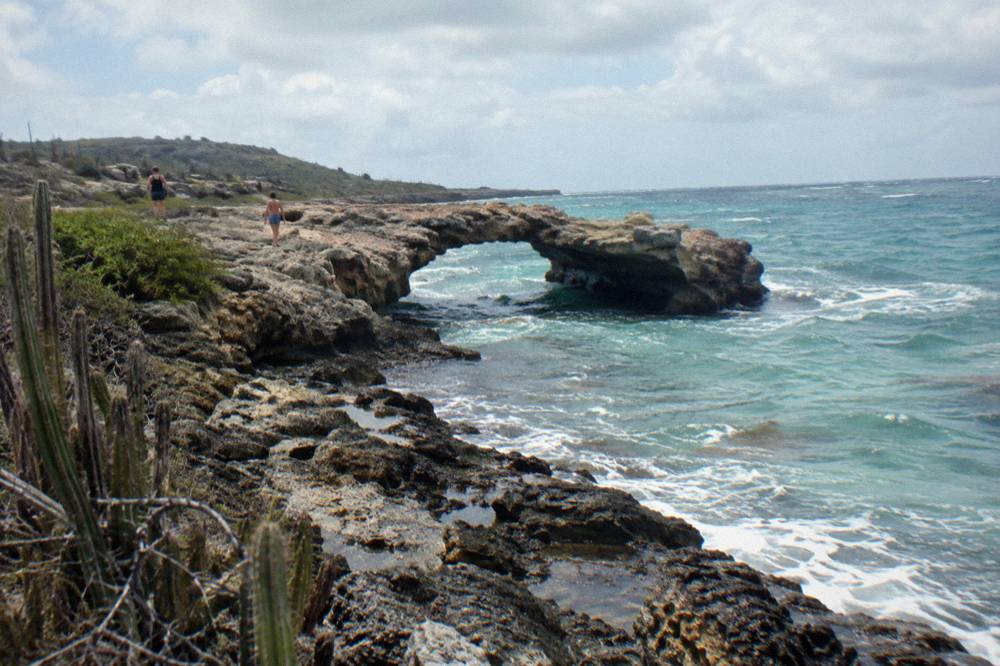
The Baby Bridge deserves more attention than it usually gets. It is a genuine, intact limestone arch on a smaller scale, standing in the surf a short walk from the main site, and it gives a fair impression of what the larger bridge looked like before 2005. The remaining span is fragile geology, so view it from the shore and do not climb on it; the same erosion that created both arches is still working.
For travelers who want the coastline explained rather than just seen, guided options are the efficient route. Several listings pair the shore with the island's headline natural attraction, the Natural Pool inside Arikok National Park, in a single trip:
| Tour | Rating and reviews | Price | How it reaches the Natural Pool |
|---|---|---|---|
| Aruba Signature Jeep Tour: Natural Pool and Baby Beach | 4.9 from 1,718 reviews | from $78 per person | drives in, 4WD, 30 min at Conchi |
| Aruba Jeep Tour: Natural Pool, Caves and Baby Beach Adventure | 4.7 from 1,371 reviews | from $89 per person | drives in, Land Rover, 35 min at Conchi |
| Horseback Ride Tour to Natural Pool in Arikok National Park | 4.9 from 1,270 reviews | from $155 per person | horseback from Rancho Loco to Conchi |
Each of those three is a shared tour with hotel or port pickup listed and free cancellation listed, though the details differ listing by listing, so read the operator's live listing before booking. For a fuller comparison of vehicle types, the guide to choosing a pool tour walks through jeep, hike, horse and private options side by side.
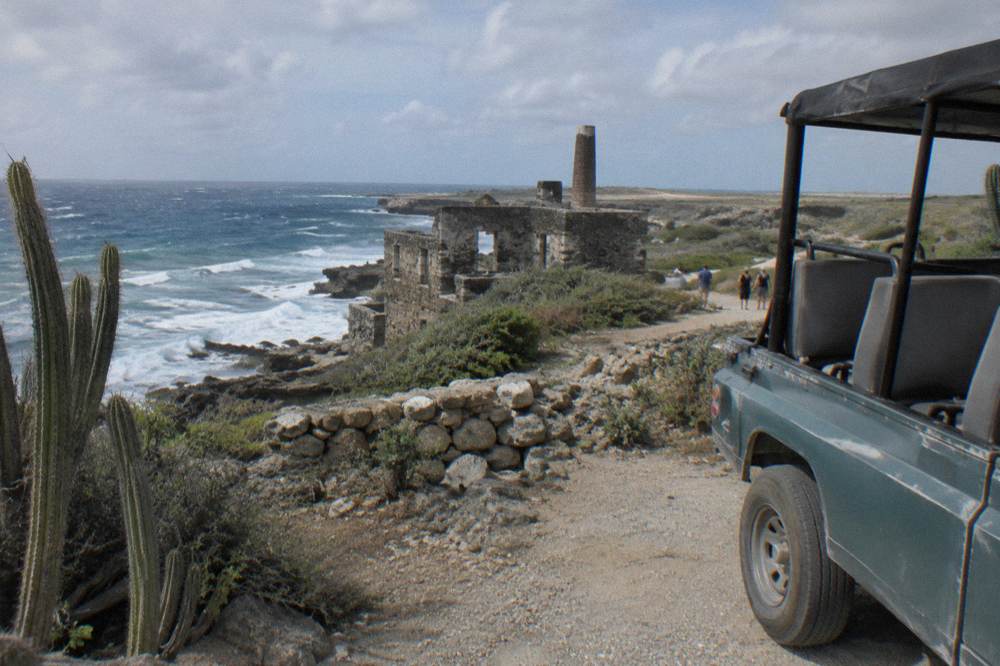
Which Tours Stop At The Natural Bridge And Nearby North Coast Sights?
Only a listing's own description proves which stops a tour makes, and among the tours covered here, the Aruba Natural Pool Jeep Adventure names Natural Bridge and Casibari rock formations on its route, while other north-coast and pool tours describe their stops in their titles and inclusions, from caves to Baby Beach. Confirm the exact stop list on the live listing before booking, because routes change with conditions.
Reading stop lists carefully matters on this island because many tours share similar names. The Natural Pool & Cave Safari: North Shore Adventure Tour, 4.8 from 555 reviews and from $116.73 per person, runs a six-hour jeep itinerary with a 45-minute stop at Conchi, and its title places it on the north shore, but the listing's own text is the source for its precise stops. Similarly, the Aruba Natural Pool Jeep Adventure, 4.9 from 30 reviews and from $95 per person, is a 3.5-hour trip that includes the Natural Bridge and Casibari alongside its 20 minutes at the pool, per its own line. The Caves Jeep option, formally the Aruba Natural Wonders Caves and Natural Pool Jeep Tour, 4.8 from 243 reviews and from $87 per person, spends 45 minutes at Conchi and lists snacks, bottled water and landing fees among its inclusions.
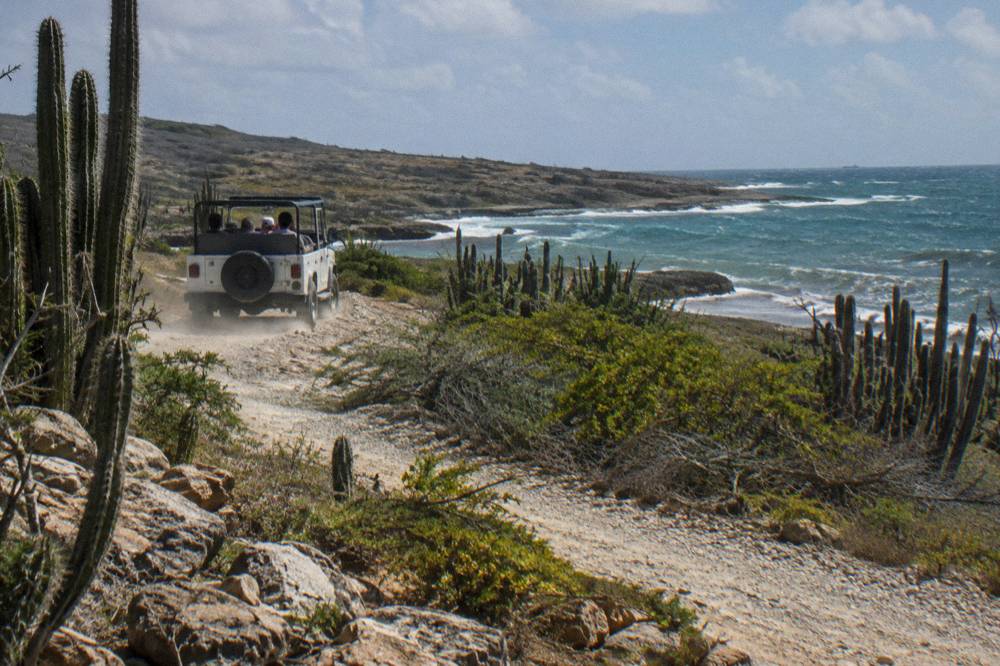
The distinction that matters most on the north coast concerns ATVs and UTVs. Quad-style vehicles are banned inside Arikok National Park's protected nature areas, a rule stated plainly by the Aruba Conservation Foundation, so the budget ATV tour from $90 per person and the UTV off-road tour from $300 per person run coastal routes outside the park and never reach Conchi or the bridge area inside park boundaries. The one exception in this group is the six-hour UTV Adventure with jeep transfer, 5.0 from 7,302 reviews and from $399.68 per person, which rides the north coast and then switches to a guide-driven jeep for the final section into the park. Details of the route situation on the north coast were reported as still unsettled by the authorities in late 2026, so confirm the route with the operator. The Aruba Conservation Foundation's experiences page is the official source on what may enter the park.
For travelers whose priority is the pool itself, the Aruba Jeep Tour: Natural Pool, Caves and Baby Beach Adventure pairs the two best-known natural stops in one four-hour run: 4.7 from 1,371 reviews, from $89 per person, Land Rover transport with 35 minutes at Conchi, national park fees listed among its inclusions, hotel and port pickup listed, and free cancellation listed. One honest caveat: its exclusions name lunch, so plan food around the itinerary.
How Does The Natural Bridge Compare To The Natural Pool At Conchi?
The bridge is a free, five-minute roadside viewpoint of a collapsed arch on the open coast; the Natural Pool is a ticketed, activity-based destination inside Arikok National Park that requires a 4x4, a horse or a hike to reach and typically rewards the effort with a swim and snorkel in a rock basin. They are complements, not rivals, and pairing them in one day is the classic Aruba north-side itinerary.
The differences are practical, not just philosophical. The bridge asks nothing of you: no fee, no fitness, no guide, no equipment, just the coastal road and a viewpoint. The pool asks for planning. It lies inside Arikok National Park on the north-east coast, where volcanic rock circles a small depression and surf sprays over the rim as the tide rushes in, in the words of the official description. A valid park conservation pass is required by law, at USD 22 per adult with children under 17 free, sold at the San Fuego Visitor Center and the Vader Piet booth; check the park's own page for the current price. Standard passenger cars may not pass the checkpoints on the Conchi track, so a regular rental delivers you to the bridge but not to the pool.
| Natural Bridge site | Natural Pool (Conchi) | |
|---|---|---|
| What it is | Collapsed limestone arch, Baby Bridge nearby | Volcanic rock pool with snorkeling in the basin |
| Where | Open north coast, roadside | Inside Arikok National Park |
| Entry cost | None | Park day pass USD 22 per adult, under 17s free |
| How to reach | Regular car, tour bus or jeep | 4x4, horseback, guided hike; cars barred beyond checkpoints |
| Time needed | 15 to 30 minutes | Half a day including transport |
| Swimming | Not advised, unguarded surf | Only when conditions are calm; rangers decide on the day |
| Facilities | Essentially none on the coast | None at the pool; a snack stand is often at the top of the stairs in daytime |
Swimming deserves its own sentence of caution, because the contrast trips people up. The bridge coast is open ocean with real surf, and the pool is a semi-sheltered basin where swimming is described as safe only when ocean conditions are calm, with posted warnings and ranger advisories to follow, since conditions change quickly. Water shoes are strongly recommended at Conchi for the sharp volcanic rock. Neither spot is a place to swim on assumption; ask on the day. The site publisher, Aruba Natural Pool Tours, keeps a dedicated Conchi swimming safety guide for exactly this question.
Can You Combine The Natural Bridge With A Natural Pool Tour In One Day?
Yes, and it is the most efficient way to see the north side, because the bridge site, the Baby Bridge, the caves of Arikok and Conchi sit on the same general stretch of coast, and several four-to-six-hour tours already stitch them together. A single morning can cover the shoreline viewpoint and a swim stop, with hotel pickup listed on most of the relevant listings, leaving your afternoon free.
The arithmetic favors tours over self-driving for most visitors. Reaching the pool independently means a high-clearance 4x4, the park pass bought in person, and comfort on a rough, rocky track that most rental agreements prohibit; the classic reports describe the drive as doable but unpleasant without local knowledge. A guided trip converts the same morning into one logistics-free block. The Aruba Signature Jeep Tour, 4.9 from 1,718 reviews and from $78 per person, runs four and a half hours with hotel or cruise-terminal pickup listed, drives into Arikok by 4WD for 30 minutes at Conchi, and continues to Baby Beach; note its own exclusions list the Arikok entrance fee as separate, so budget the pass on top. The Aruba Arikok National Park Jeep Safari, 4.9 from 505 reviews and from $95 per person, takes five hours and lists the park entrance fee among its inclusions instead.
Travelers who prefer quiet over convenience have two other angles. The Sunrise Hike & Swim in Natural Pool tour, 4.9 from 123 reviews and from $59 per person, walks the north coast to Conchi at dawn with no transport provided, meeting at a trailhead point, which puts you at the pool before the jeeps arrive. At the other end of the scale, private options like the Private Jeep Safari Natural Pool, Indian Caves & Baby Beach, 5.0 from 31 reviews and from $299 per group for up to a vehicleload, let a family set the stop order themselves, six hours with snorkel gear and the Arikok admission listed as included. Horseback riders can take the Rancho Loco tour, 4.9 from 1,270 reviews and from $155 per person, three and a half hours with hotel pickup, park fees, helmets for riders 12 and under, and a swim at Conchi; the listing enforces a maximum rider weight of 220 lbs fully clothed.
What Does A North Coast And Natural Pool Day Cost?
Counting the pieces: the bridge site costs nothing, the Arikok day pass is USD 22 per adult with under 17s free, and pool tours run from $59 per person for a no-transport sunrise hike to from $399.68 per person for the six-hour UTV and jeep-transfer adventure, with private jeep options priced per group rather than per person. Read each listing's inclusions, because some bundle the park fee and others list it separately.
The price differences are mostly about what the fee wraps. Among shared jeep trips, the budget end starts at the Signature Jeep at from $78 per person with the park fee excluded, while the Arikok Jeep Safari at from $95 includes the entrance ticket, effectively closing much of the gap. The Baby Beach Jeep Adventure at from $89 lists national park fees and snorkel gear among its inclusions; its sibling listing with lunch included, at from $89 per person and 4.5 from 276 reviews, adds a meal on top. Hikes are the value play if transport is not needed. The sunrise hike from $59 carries no transport, and its own exclusions list the park admission separately.

Private listings need the per-group caveat spelled out. From $299 per group for the six-hour private jeep safari and from $600 per group for the private 4x4 with Baby Beach are vehicle prices, not per-person figures, so a family of four can land below shared-tour rates per head while a couple pays a premium for exclusivity. Never compare those bases directly. For a fuller breakdown including food, gear and fee planning, the Natural Pool cost guide itemizes a realistic budget.
| Listing | Price basis | Rating and reviews | Park fee in the listing |
|---|---|---|---|
| Sunrise Hike & Swim in Natural Pool | from $59 per person | 4.9 from 123 reviews | excluded, listed separately |
| Aruba Signature Jeep Tour | from $78 per person | 4.9 from 1,718 reviews | excluded, listed separately |
| Baby Beach Jeep Adventure (no meal) | from $89 per person | 4.7 from 1,371 reviews | included, listed |
| Arikok Jeep Safari | from $95 per person | 4.9 from 505 reviews | included, listed |
| Rancho Loco Horseback Ride | from $155 per person | 4.9 from 1,270 reviews | included, listed |
| Private Jeep Safari, Indian Caves & Baby Beach | from $299 per group | 5.0 from 31 reviews | included, listed |
Is The North Coast Worth Visiting Without The Pool?
Yes, the north-east shoreline stands on its own as the island's wild half, with the collapsed bridge, the Baby Bridge, cave systems with indigenous rock drawings and historic sites like the California Lighthouse and Bushiribana ruins strung along it, and it is drivable in a regular rental car precisely because it lies outside the off-road restrictions that guard Conchi. Many visitors budget a half day for the coast alone.
The contrast with the hotel strip is the whole point. The south-west coast is calm, built and manicured; the north-east takes the full force of the Atlantic swell across limestone terraces, and the official park description notes caves with pictographs among the draws. Aruba's climate helps the plan: the island is semi-arid with sustained easterly trade winds, and the driest stretch of the year runs roughly February through June, with rain, when it comes, usually falling in the early morning hours. Those are airport-side averages, not north-coast readings, but they explain why the coast is so often clear and bright by mid-morning. For season-by-season planning, the best time to visit Aruba guide lays out the trade-offs.
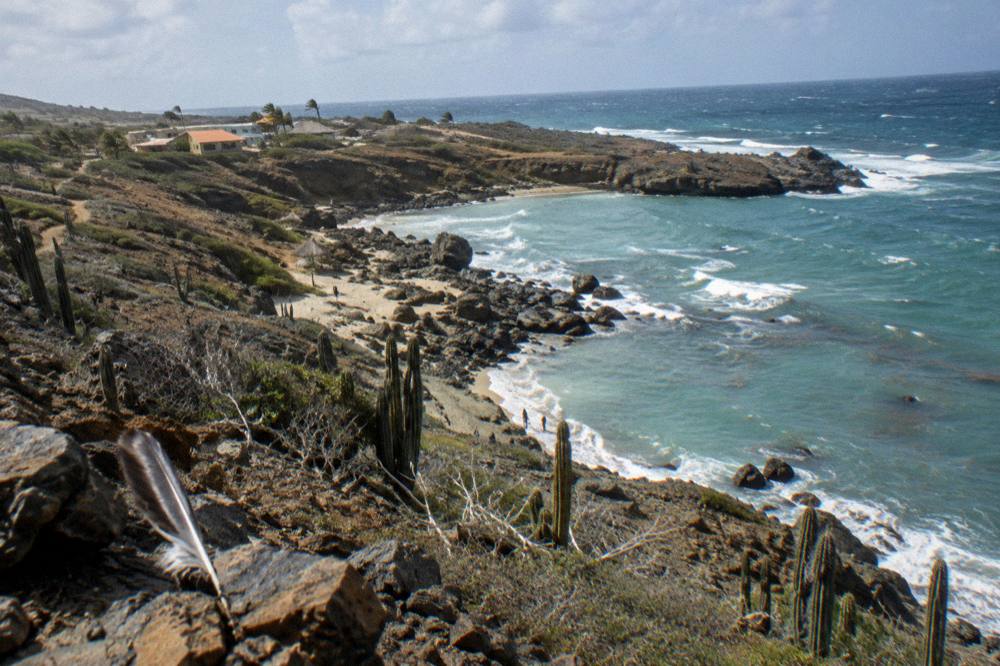
Two honest limits keep expectations right. First, the coast has almost no facilities: bring water, sun protection and grippy shoes for uneven rock, the same kit recommended for the pool, which the what to bring guide details. Second, a regular car can reach the viewpoints and the main caves inside the park's road network, but not the Natural Pool track; the distinction between what a sedan can do and what it cannot is the single most common planning error on this coast. Travelers who want everything, coastline, caves, pool and beach in one guided block, are the reason the combined jeep itineraries exist at all. The natural pairing remains the classic trio: the bridge site as documented by local guides, the caves of Arikok, and Conchi itself.
For the horse-minded, the Rancho Loco ride is the one listing that ties the ranch experience directly to the pool: hotel or port pickup listed, three and a half hours, bottled water, mandatory helmets for riders 12 and under, and a swim stop at Conchi reached on horseback from the ranch.
If the question is simply which single booking covers the most ground for the money, the two jeep tours and the horseback ride below are the three we would put in front of most first-time visitors, each with free cancellation listed.
Common Questions About The Natural Bridge In Aruba
What Happened To The Natural Bridge In Aruba?
The original Natural Bridge collapsed on September 2, 2005, after natural erosion weakened the coral limestone span. No one was hurt. The site remains a viewpoint, and the smaller Baby Bridge stands nearby.
Can You Still See The Natural Bridge Today?
You can see the collapsed remains, the two rock stumps of the arch and the gap where it stood, plus the intact Baby Bridge a short distance along the coast. The stop is free and takes most visitors fifteen to thirty minutes.
Does It Cost Money To Visit The Natural Bridge?
No, the bridge site sits on the open shoreline with no gate or fee. The nearby Natural Pool inside Arikok National Park is different: a conservation day pass is required, USD 22 per adult, children under 17 free, sold at the San Fuego Visitor Center and the Vader Piet booth.
Do Any Tours Stop At The Natural Bridge And The Natural Pool?
Some listings name their stops directly, such as the Aruba Natural Pool Jeep Adventure, which includes the Natural Bridge and Casibari. Others, like the Aruba Signature Jeep Tour, combine the pool with Baby Beach and cave stops. Always confirm the exact route on the operator's live listing.
Can You Get To The Natural Bridge By Rental Car?
Yes, unlike the Natural Pool, the bridge site is reachable on the regular coastal road. A standard car may not continue beyond the park checkpoints toward Conchi, which requires a 4x4, horseback or a hike.
Is The Baby Bridge Safe To Walk On?
Treat it as a viewpoint, not a climbing frame. It is an active limestone arch still being eroded by the sea, the same process that destroyed the larger bridge in 2005. View it from the shore.