Snorkeling In Aruba: Where To Go
Aruba's underwater appeal is usually sold with calm south-coast beaches, but the island's most distinctive snorkeling site is a volcanic rock basin inside Arikok National Park, reached by jeep, horse or on foot.
Short answer
Aruba snorkeling splits into two worlds: sheltered swimming beaches and the Natural Pool at Conchi, a rock-ringed basin inside Arikok National Park where you swim and snorkel only when the sea is calm. Tours from $59 per person reach it, many hand you snorkel gear, and the park day pass is USD 22 per adult.
Aruba sits in the Southern Caribbean Dry Zone, semi-arid and wind-brushed, and the same trade winds that keep the island dry shape what happens the moment you put your face in the water. On the sheltered side, the sea is typically the calm, warm, sandy-entry experience most travelers picture when they book a Caribbean trip. On the north-east coast, where Arikok National Park covers 34 square kilometers of protected terrain, the ocean behaves differently, and the island's most talked-about snorkeling spot, the Natural Pool at Conchi, exists precisely because of that collision of surf and volcanic rock. If swimming and snorkeling are the whole point of your visit, our guide to snorkeling at the Natural Pool in Aruba explains which tours bring gear, what the water actually feels like inside Conchi, and how to pick a trip built around time in the water.
This guide walks through where snorkeling in Aruba actually happens, what makes the Conchi basin different from every beach stop on the island, which listed tours hand you a mask as part of the price, and what to pack for sharp volcanic rock. It leans on what the park's own pages and the tour listings state, not on brochure optimism, because the honest answer about snorkeling here is that the sea decides on the day.
Where Can You Snorkel In Aruba?
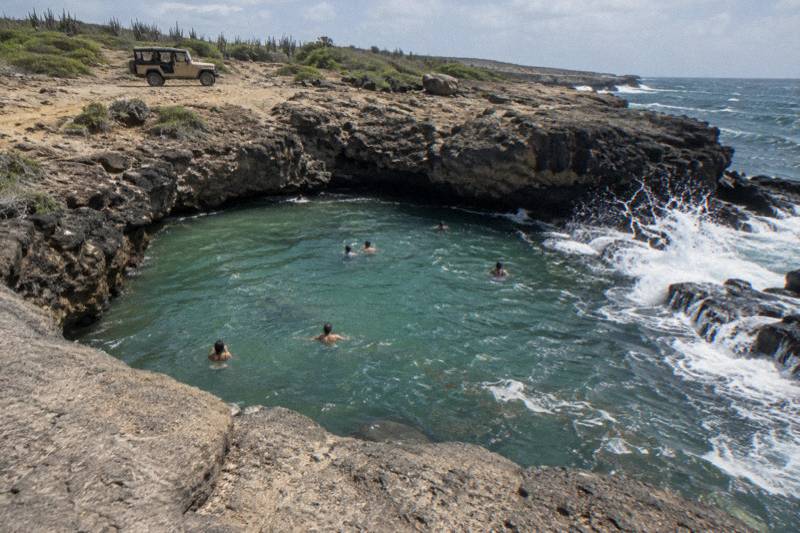
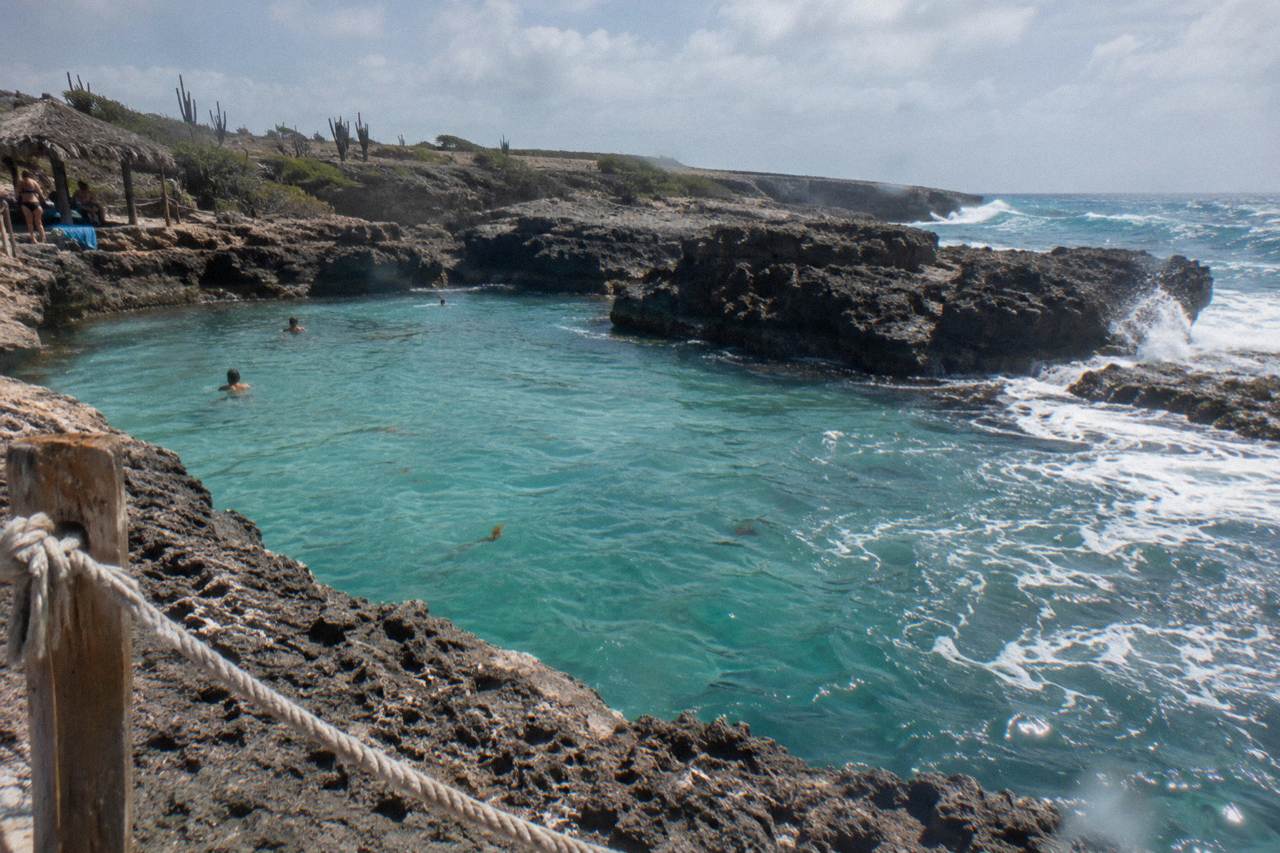
Aruba offers two kinds of snorkeling: sheltered shallow swims along the developed beaches, and the rock-basin swim at the Natural Pool, called Conchi or Cura di Tortuga, inside Arikok National Park on the north-east coast. The pool is a volcanic rock depression where surf sprays over the rim as the tide rushes in, and the island's official pages describe swimming and snorkeling in its calm basin as the reason people make the trip.
The beach side of the island needs little introduction. Visitors who want an easy mask-and-fins afternoon generally stay on the calmer leeward coast, where hotel beaches give sandy entry and gentle water. This site's coverage is anchored on the natural pool, so the depth here goes to the park side of the story: the Natural Pool is inside Arikok, reached only by foot, horseback or 4x4, and standard passenger cars are not permitted beyond the park checkpoints on the track toward it. The Aruba Tourism Authority's page on the pool is plain about that, and plain about the reward, a protected basin you can swim and snorkel in when conditions allow.
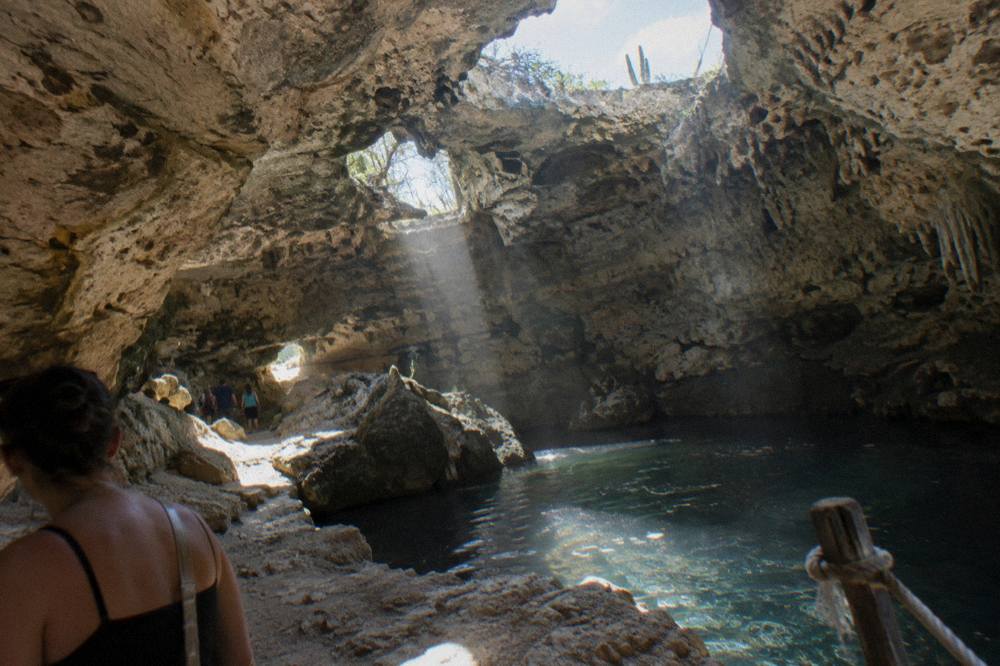
What that means for a snorkeler is a choice of experiences rather than a ranking. A calm beach swim is easy, repeatable and needs no planning beyond a rented mask. The Conchi basin is an event: a drive or a ride through cactus-and-lava terrain, a short scramble over rock, and a swim in a natural aquarium that the ocean refills over the rim. Plenty of visitors do both in one trip. The listings covered here, roughly a jeep safari such as the Aruba Signature Jeep Tour: Natural Pool and Baby Beach, from $78 per person, 4.9 from 1,718 reviews, with 30 minutes at the pool, are built around exactly that combination of terrain and water.
For readers deciding how a pool visit fits a wider island plan, the Aruba natural pool guide lays out the access options in full, and the trip picker on the homepage comparison sorts the listings by how they reach the water.
Is The Natural Pool At Conchi Good For Snorkeling?
Yes, when the sea allows it. The official description of Conchi is a volcanic rock circle holding a small depression, with surf spraying over the rock at high tide, and snorkeling in the calm basin is the listed draw. Swimming is only safe when ocean conditions are calm, conditions change quickly, and rangers and operators make the call on the day, so no trip can promise a swim.
The honest framing matters more here than at any beach stop. The pool has no lifeguard tower culture of guaranteed entry; the island's own guidance says to follow ranger advisories and posted warnings, because waves can crash over the rocks and what was calm at 9 am can close by noon. Water shoes are strongly recommended, and the terrain around the pool is uneven, rocky and not wheelchair accessible, with steep natural stone steps on the approach. Moderate physical ability is the stated baseline.
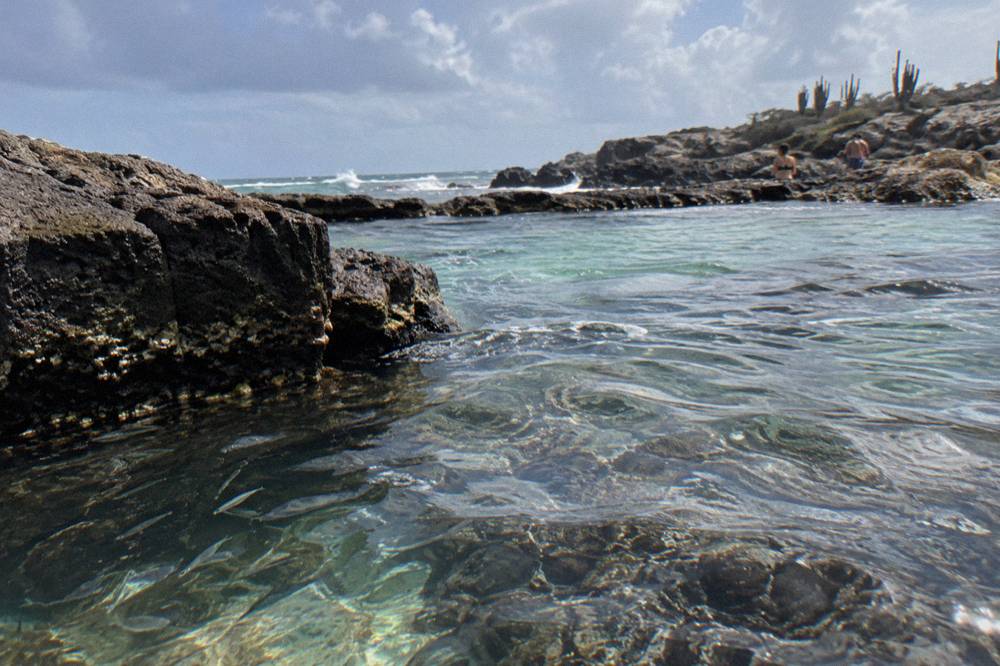
Inside the basin, when it is open, the experience the listings describe is a sheltered snorkel: fish in a rock aquarium, clear water, and a setting no beach can copy. Several of the jeep tours that drive into Arikok list snorkel gear among the inclusions, so the mask arrives with the ride. The Arikok National Park Jeep Safari: Natural Pool & Baby Beach, from $95 per person, 4.9 from 505 reviews, lists both the National Park Entrance Fee and bottled water and snacks, spending 20 minutes at Conchi in an open-air safari truck. The Natural Wonders Caves and Natural Pool Jeep Tour, from $87 per person, 4.8 from 243 reviews, gives the pool 45 minutes and lists use of snorkelling equipment alongside snacks and water.
Time at the water is the number worth checking before booking, because durations on a listing are the tour's total, drive included. A four-hour listing is not four hours of snorkeling. The pool access details on each listing's own page state the minutes actually spent at Conchi, and they range from about 20 to 60 depending on the product.
Readers weighing whether the whole outing justifies the price can dig into the is the natural pool in Aruba worth it discussion and the can you swim in Conchi natural pool question, both of which deal with the sea-state reality directly.
Which Tours Include Snorkel Gear?
Many of the listed jeep, hike and horseback trips to the Natural Pool include snorkel equipment in the price, but not all do, so the inclusions line on each listing is the deciding factor. The Baby Beach Jeep Adventure, from $89 per person, 4.7 from 1,371 reviews, lists snorkelling equipment, park fees and hotel pickup. The ATV and UTV north-coast rides do not visit Conchi at all.
The cleanest way to compare is by what the listing itself promises. The table below pulls the gear, pickup and fee flags exactly as stated on each listing's own line, for a spread of shared and private options.
| Tour (decision name) | Price as listed | Rating and reviews | Snorkel gear | Park fee listed | Pickup listed |
|---|---|---|---|---|---|
| Budget Fofoti Signature Jeep | from $78 per person | 4.9 from 1,718 reviews | Not listed | Excluded (entrance fee listed as exclusion) | Pickup offered |
| Baby Beach Jeep, No Meal | from $89 per person | 4.7 from 1,371 reviews | Listed | Included (National Park fees) | Free hotel/port pickup and drop-off |
| Arikok Jeep Safari, 5 Hours | from $95 per person | 4.9 from 505 reviews | Not stated on the line | Included (entrance fee) | Pickup and drop-off |
| Caves Jeep, 4 to 6 Hours | from $87 per person | 4.8 from 243 reviews | Listed | Included (landing and facility fees) | Pickup offered |
| Private Jeep, Snorkeling, 6 Hours | from $299 per group | 5.0 from 31 reviews | Listed | Included (entry/admission) | Private transportation |
| Half-Day Hike, Snorkel and Lunch | from $115 per person | 5.0 from 39 reviews | Listed | Included (Arikok entrance fee) | Private transportation |
Two patterns stand out. First, the cheapest headline price on the list, the signature jeep at from $78 per person, is also the one whose exclusions name the Arikok entrance fee, so the sticker and the all-in cost can diverge. Second, the private options are priced per group, not per person, which changes the math entirely for a family of four; the Private Jeep Safari listing at from $299 per group includes snorkelling equipment, snacks and the park entry, and runs six hours.
On the hiking side, the Sunrise Hike & Swim in Natural Pool, from $59 per person, 4.9 from 123 reviews, lists use of snorkelling equipment and snacks but no transport, and its exclusions name a park conservation fee to pay on arrival. The Half Day Hike at Arikok National Park & Snorkel, from $115 per person, 5.0 from 39 reviews, includes the entrance fee, private transportation, water and fruit. For riders, the Rancho Loco Horseback Ride Tour to Natural Pool, from $155 per person, 4.9 from 1,270 reviews, lists a swim in the famous Natural Pool among its inclusions with hotel pickup and park fees covered, though the listing does not list snorkel gear, so ask the operator if a mask matters to you.
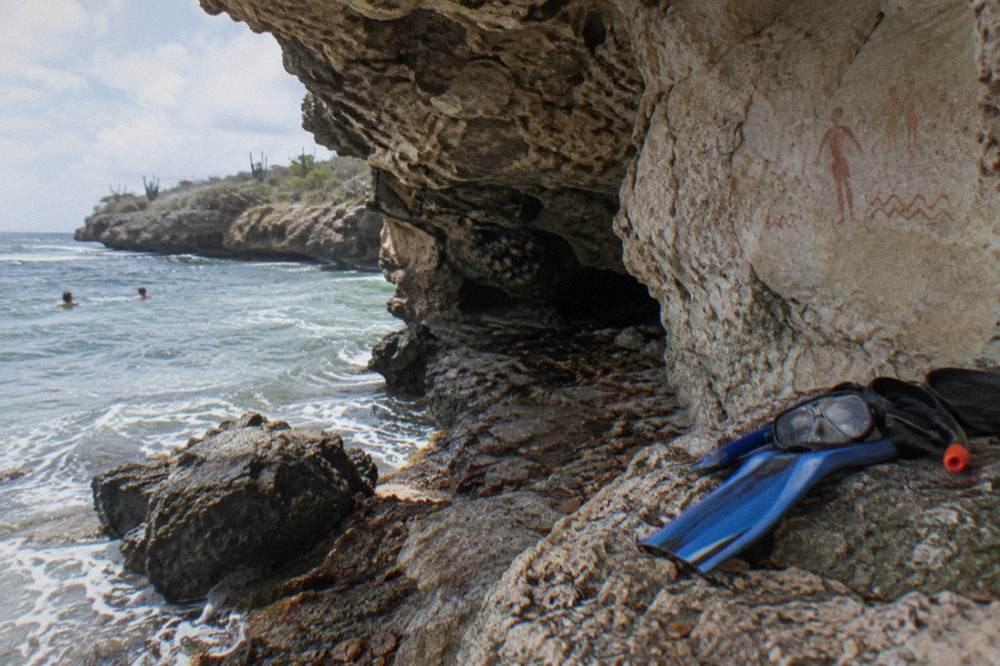
One category deserves a plain warning. ATV and UTV tours in Aruba do not enter Arikok National Park; quad bikes, UTVs and motorbikes are prohibited in the park's protected nature areas, per the Aruba Conservation Foundation. Those rides run north-coast routes outside the park, and the one exception that reaches Conchi after a UTV leg does so by transferring guests into a guide-driven jeep for the final stretch into Arikok. If your heart is set on snorkeling the basin, a jeep, a hike or a horse is the way in.
The National Park Arikok Jeep Safari Adventures listing, from $109 per person, 4.9 from 808 reviews, is the site's featured pick for this topic: a shared jeep that drives into the park, spends 45 minutes at Conchi, and lists use of snorkel and mask, all fees and taxes, the park entrance ticket and bottled water among its inclusions. Check availability on the operator's live listing, alongside the tour page with the full detail.
What Should You Bring To Snorkel At The Natural Pool?
Bring water shoes, reef-safe sunscreen, at least a liter of water per person, a swimsuit, a towel and a dry bag. The rock around Conchi is sharp and slippery volcanic stone, the site has limited facilities, and the official guidance is unambiguous that water shoes are strongly recommended; a small snack and refreshment stand is often, but not always, at the top of the stairs during the day.
The packing logic at Conchi differs from a beach day because the environment is rock, not sand. The full checklist lives in the what to bring to the Natural Pool guide, but the snorkel-specific points are worth restating. Fins are optional in a small basin; a mask matters more. If your tour lists snorkel gear, you can travel light, and if it does not, the listing's exclusions will tell you whether gear is rentable or simply absent, in which case bring your own.
| Item | Why it matters at Conchi | On the listings? |
|---|---|---|
| Water shoes | Sharp, slippery volcanic rock; officially strongly recommended | Fofoti Arikok Park Jeep lists water shoes included |
| Reef-safe sunscreen | No shade on the rock approach; sun exposure is direct | Private Hike, Snorkel listing includes sunblock |
| Water (1 to 2 liters) | Limited facilities at the pool itself | Most jeep listings list bottled or iced water |
| Towel | No rentals at the basin | Horseback listings name towels as an exclusion |
| Dry bag | Spray over the rim can soak belongings | Not listed on any tour line |
| Own mask | Some listings include gear, some do not | Check the inclusions line per listing |
A note on the water itself: bring a reusable bottle where a listing invites it. The signature jeep tour hands out ice water refills and asks guests to bring a canteen, which the operator frames as keeping the tours environmentally friendly. Small choices like that matter more inside a protected park than anywhere else on the island.
How Much Does A Snorkeling Trip In Aruba Cost?
A listed snorkel-capable trip in Aruba runs from $59 per person for a self-transport sunrise hike to $399.68 per person for the six-hour UTV-plus-jeep-transfer adventure, with most shared jeep options between $78 and $121.80 per person and private tours priced per group from $211.55 to $600. Budget separately for the park pass at USD 22 per adult unless the listing names it as included.
The price ladder is easiest to read as three tiers. The hike tier is the cheapest way into the water, but note the meeting-point listings expect you to arrange your own transport. The shared jeep tier bundles the most: vehicle, guide, usually water, and on many lines the park fee and snorkel gear. The private tier is per group, so the per-head cost falls as your party grows. Everything else covered here is indexed on Aruba Natural Pool Tours.
| Tier | Example listing | Price as listed | What the inclusions line states |
|---|---|---|---|
| Hike, no transport | Budget Sunrise Hike and Swim | from $59 per person | Snacks, snorkel gear; transport not provided; conservation fee excluded |
| Hike, transport included | Sunrise Hike, Transport Included | from $110 per person | Arikok entrance fee, private guide, water and fruit, snorkel gear, all fees and taxes |
| Shared jeep | Baby Beach Jeep, Meal Included | from $89 per person | Park fees, lunch, bottled water and snacks, guide, hotel pickup, snorkel gear |
| Shared jeep, long day | 6-Hour UTV, Meal Included | from $399.68 per person | Lunch, snorkel gear, guide, insurance fee; Arikok entrance excluded |
| Private jeep | Private Open-Air Jeep, Conchi | from $211.55 per group | Water, non-alcoholic drinks, bandana, guide, snorkel gear; gratuities excluded |
Two cautions keep the budget honest. Per-person and per-group figures are different units, so never compare them directly, and a low headline price whose exclusions name the park entrance will cost more at the gate than a higher listing that includes the pass. The deeper breakdown of every cost line, including what the official pass covers, is in the natural pool Aruba cost guide and the Arikok tickets and fees page, both of which attribute the pass price to the park itself; check the park's own page for the current figure.
The sunrise hike deserves a solo mention for value hunters. It is the least expensive listing on the site that still ends with a snorkel, it lists gear, and its 4.9 from 123 reviews reflects a small but enthusiastic pool of guests.
For snorkelers who want the longest water window rather than the lowest price, the Caves Jeep listing's 45 minutes at Conchi is among the most generous on the shared-jeep side, and it departs from Aruba hotels and the cruise terminal.
Is Snorkeling In Aruba Safe?
No source here gives a blanket safety verdict, and none should. The official guidance states that swimming at the Natural Pool is only safe when ocean conditions are calm, that conditions change quickly, that rangers and operators decide on the day, and that posted warnings must be followed. Beach-side snorkeling carries its own ordinary precautions; the pool asks for water shoes, moderate fitness and a willingness to accept a no-swim call.
The honest structure of the answer is that safety at Conchi is conditional, and the condition is the sea. The rock rim that makes the pool also makes it exposed: waves crash over the rocks when the swell rises, and the same basin that is glassy on a calm morning can be closed by early afternoon. Rangers and tour operators hold the authority on the day, and every credible listing reflects that rather than promising a swim. Follow the posted warnings, and if a tour swaps the swim stop for extra time elsewhere, that is the system working.
Physical readiness matters on the approach as much as in the water. The official description calls the terrain uneven, the paths rocky, the stone steps steep, and the site not wheelchair accessible, with moderate physical ability needed. For children, age policies and medical restrictions sit on each operator's own listing; the one hard limit quoted anywhere in the listings covered here is the Rancho Loco horseback line's maximum rider weight of 220 lbs fully clothed, strictly enforced for the wellbeing of riders and horses, and it belongs to that listing alone. The fuller risk picture, including the cliff-jumping question this site answers plainly rather than promotes, is in the natural pool swimming safety guide.
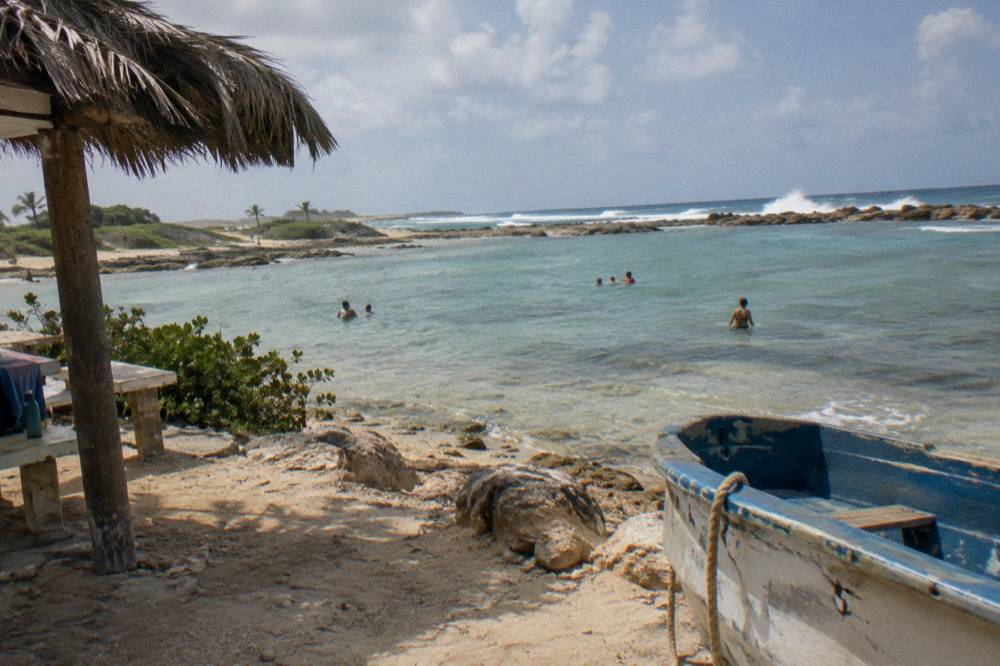
One repeated mistake deserves its own line: assuming the pool is a swimming pool. It is a natural rock formation the ocean fills, which is exactly why it is worth the trip and exactly why it can close. Plan the day around the possibility, book a listing with free cancellation where the line states it, and let the guide make the call.
When Is The Best Time To Snorkel In Aruba?
By the official climate record, Aruba's dry season runs roughly February through June and the rainy season roughly September through January, with rain showers usually falling in the early morning. No official source supports ranking sea conditions by month, so for the Natural Pool the honest answer is that rangers decide on the day, and morning departures give you the best chance of a calm-basin swim before afternoon wind picks up.
The climate facts that can be quoted are airport figures from the official Meteo Aruba station on the south-west side, and they say the island averages just 451.1 mm of rain a year, with the driest months between February and June and the wettest from October through December. Mean winds are strongest in June and calmest in November. Those are island-wide planning numbers, not north-coast sea readings, and presenting them as Conchi conditions would be dishonest; the swell on the exposed north-east shore answers to its own weather.

What the season does decide is comfort and crowds-of-a-sort: dry-season hiking to the pool means less mud on the trail and less chance of a rain-shortened stop, which is why sunrise hike listings frame their early departures around escaping both heat and crowds. The sunrise listings run their walks along the north coast in the cool hours, and guests report the light on the water as part of the draw. What no season guarantees is the swim itself. For a fuller treatment of the timing question without invented swell calendars, see best time for Natural Pool Aruba and the broader best time to visit Aruba guide.
Practically, three choices raise your odds of a good snorkel at Conchi: pick a morning departure, pick a listing with a flexible plan if the pool closes, and check the free-cancellation terms on the listing so a rough-sea day costs you nothing. The listings covered here state free cancellation on their own lines; read your specific listing's terms before assuming.
The Half Day Hike listing is the quiet specialist in this respect: a 5.0 from 39 reviews, private transportation, the Arikok entrance fee, water and fruit, and an itinerary that hikes the park before snorkeling at Conchi, all from $115 per person.
How Do You Plan Snorkeling Into A Wider Aruba Trip?
Anchor one day on the water and let the listing's stop list build the rest of the itinerary around it. Most Natural Pool tours bundle the basin with Baby Beach, the Arikok caves or coastal landmarks in a single four-to-six-hour block, so a snorkeler gets the swim plus caves, bridges and beaches without booking four separate products. Check the ED Card requirement before you fly; it applies to most arrivals aged 8 and older.
The bundled character of these tours is their best planning feature. A listing such as the Aruba Jeep Tour: Natural Pool, Caves and Baby Beach Adventure rolls the basin, the Indian caves and Baby Beach into four hours from $89 per person, with hotel pickup listed. The Arikok Island Safari products add lighthouse and coastal stops. The horseback listings give the same water a completely different approach, riding from Rancho Loco through the park to the pool. Choosing between them is a question of vehicle and pace rather than destination, which is exactly what the how to choose a Natural Pool tour guide is for.
For cruise passengers, the same listings depart from the cruise terminal where their own lines say so, but no tour here can be promised to fit a ship's clock; check your all-aboard time against the listed total duration before booking. Arriving by air, note that the Online ED Card is mandatory and most visitors aged 8 and older pay a USD 20 Sustainability Fee as part of it, completed on the official portal within seven days before arrival; the Aruba Tourism Authority's ED Card process page has the steps. Budget the Arikok day pass, USD 22 per adult, sold only at the San Fuego and Vader Piet entrances and not online, per the official Natural Pool page and the park's own site.
If snorkeling is the whole point of the trip rather than one day of it, the wider picture, including the island's other water-based outings and how they compare, is covered in the Aruba excursions overview and the is snorkeling in Aruba worth it longread, which answers the value question with the same listings and figures used here.
The signature jeep remains the benchmark shared option for a first visit: from $78 per person, 4.9 from 1,718 reviews, hotel or cruise-terminal pickup listed, ice water refills, and 30 minutes at the pool, with the park entrance paid separately at the gate.
Common Questions About Snorkeling In Aruba
Is The Natural Pool Good For Snorkeling?
When the sea is calm, yes. The official description of Conchi is a volcanic rock basin where you can swim and snorkel in calm water, and many of the tours that reach it list snorkel gear. Swimming is only safe when ocean conditions are calm, and rangers and operators decide on the day, so no listing can promise a swim.
Do Aruba Natural Pool Tours Include Snorkel Gear?
Many do, but not all. The Baby Beach Jeep Adventure, the Caves Jeep tour, the private jeep safaris and the sunrise hikes all list snorkel equipment among their inclusions; the signature jeep and some others do not list it. Read the inclusions line on the specific listing before booking.
Can You Snorkel At Conchi On An ATV Or UTV Tour?
No. ATVs, UTVs and motorbikes are prohibited inside Arikok National Park, and the standard quad tours run north-coast routes outside the park without visiting the Natural Pool. The one UTV listing that reaches Conchi does so by transferring guests into a guide-driven jeep for the section inside the park.
What Is The Cheapest Way To Snorkel The Natural Pool?
The Sunrise Hike & Swim listing at from $59 per person includes snacks and snorkel gear, but no transport, and its exclusions name a park conservation fee to pay on arrival. Among jeep options, the signature tour starts at from $78 per person with the park entrance excluded.
Do You Need Water Shoes To Snorkel In Aruba?
At the Natural Pool, yes, they are strongly recommended by the official guidance because the volcanic rock is sharp and slippery, and the approach includes steep natural stone steps. At sandy beach entries on the calmer coast, ordinary beach footwear is usually enough.
How Much Does The Park Pass Cost If My Tour Does Not Include It?
The Arikok conservation day pass is USD 22 per adult, children under 17 free, required by law and sold only at the San Fuego Visitor Center and the Vader Piet booth, not online. Check the park's own page for the current price, and read your listing's inclusions to see whether the fee is already covered.