Things To Do In Aruba Beyond The Beach
Aruba's beaches get the postcards, but the island's east side holds a national park, a volcanic rock pool, cave systems and horseback trails. Here is how the pieces fit together for a first visit.
Short answer
Aruba's headline activities cluster around Arikok National Park: the Natural Pool at Conchi reached by jeep, horseback or hike, cave visits, north-coast scenery and Baby Beach. A conservation day pass costs USD 22 per adult, children under 17 free. Shared jeep tours run from $78 per person; the park covers 34 square kilometers of the island.
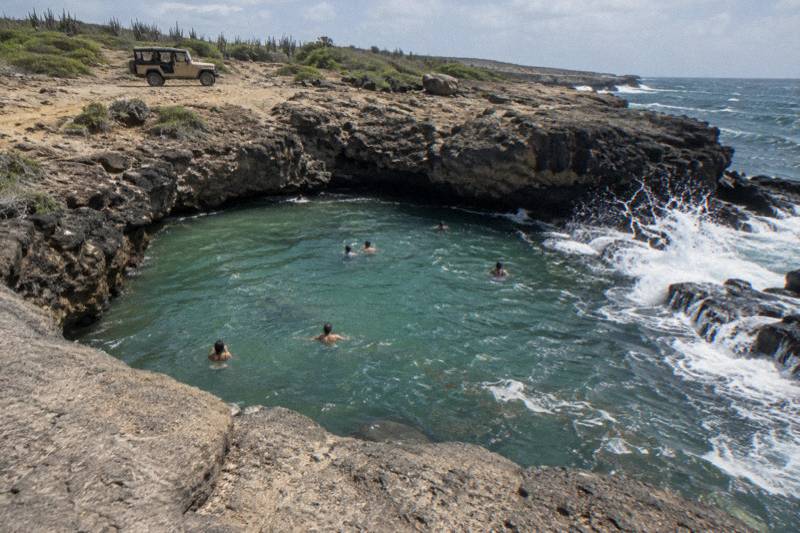
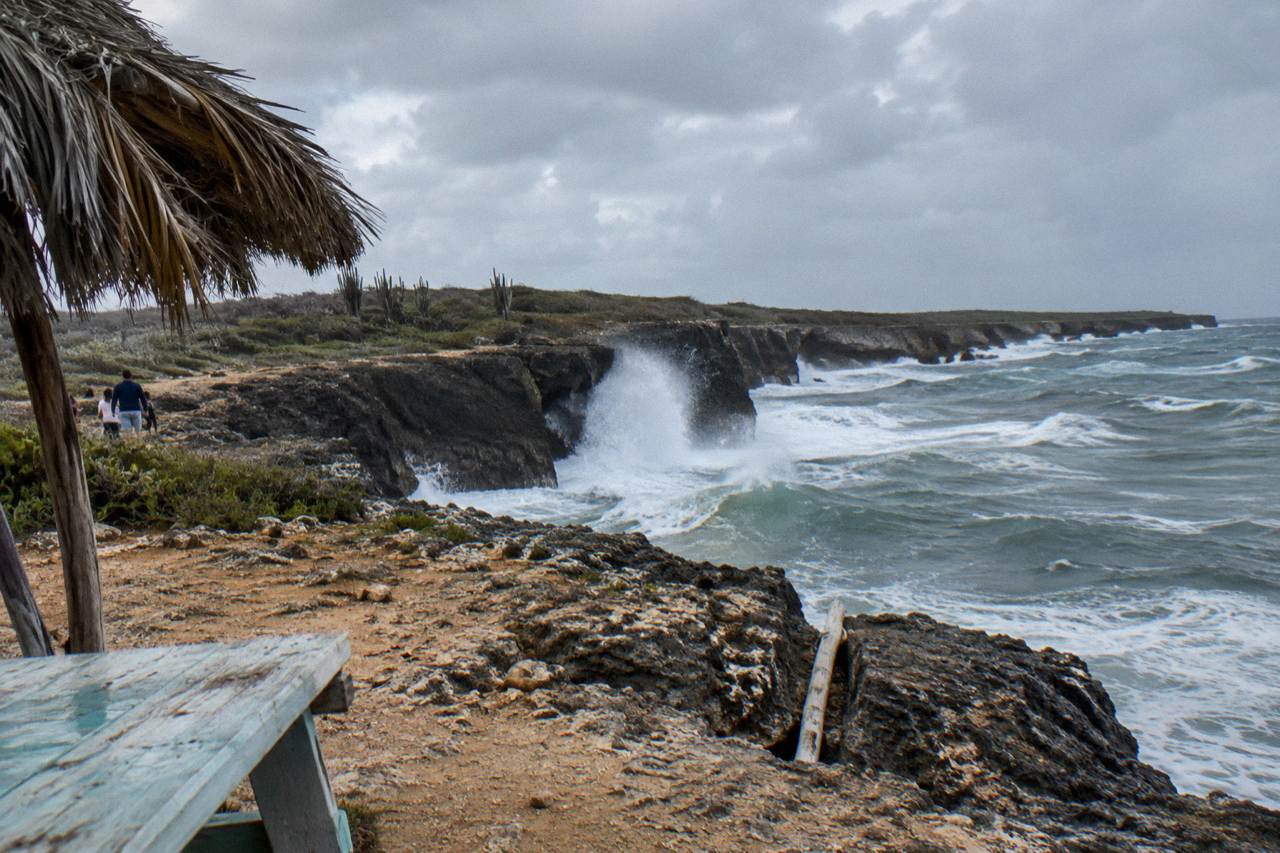
Aruba's south and west coasts are a chain of calm, sand-bottomed swimming beaches, and that is honestly what most visitors come for. The east side of the island is a different country: 34 square kilometers of protected nature area run by the Aruba Conservation Foundation, a volcanic shoreline where surf pounds dark rock, and a small natural pool called Conchi tucked into the cliff line. A trip that only touches the beach side misses the half of Aruba that most of the island's best tours are built around.
This guide walks through the activities in the order a planner actually thinks about them: what the standout options are, how the Natural Pool works, what Arikok National Park contains, which tour styles suit which travelers, and the practical details, fees, weather and timing, that shape the week. Throughout, the listings covered here supply the prices and ratings, and the park's own pages supply the rules.
What Are The Best Things To Do In Aruba?
The best things to do in Aruba split into three zones: the calm west-coast beach strip from Palm Beach to Eagle Beach, the protected east side inside Arikok National Park, and the north-coast scenic belt of lighthouses, bridges and ruins. The Natural Pool at Conchi is the single activity that ties the east side together, and every jeep, hike and horseback tour listed here is built around reaching it. If you'd rather ride than hike to it, our guide to Aruba UTV tours with the cave pool and cliff jumping explains which ones actually reach the Natural Pool and what the north coast routes cover instead.
The west coast needs no guide: hotels, restaurants and swimming beaches line it end to end. The east side is where planning pays off. Access runs through a national park with a mandatory conservation pass, a rough volcanic track that standard rental cars may not drive, and sea conditions that rangers judge on the day. That combination is exactly why guided tours dominate the region.
The most efficient introduction is a shared jeep safari. The Signature Jeep Tour from $78 per person, 4.9 from 1,718 reviews, drives into Arikok to Conchi and finishes at Baby Beach in 4 hours 30 minutes. The Natural Pool, Caves and Baby Beach Jeep Tour at from $89 per person covers similar ground with a Land Rover, and the Baby Beach Jeep Adventure at from $89 per person adds lunch to the same loop. Between them they answer the question most first-timers have: yes, you can see the pool, a cave and a beach in one morning.
Not everything worth doing is paid. The free and low cost guide to free things to do in Aruba covers the public beaches and coastal viewpoints, and is honest about the fact that Arikok itself is not free. For a deeper look at one particular stop, the Natural Bridge guide covers the collapsed 2005 span and the Baby Bridge that remains. And if snorkeling is the anchor of your trip, the snorkeling in Aruba guide ranks where the calm water actually is.
What Makes The Natural Pool A Standout Activity?
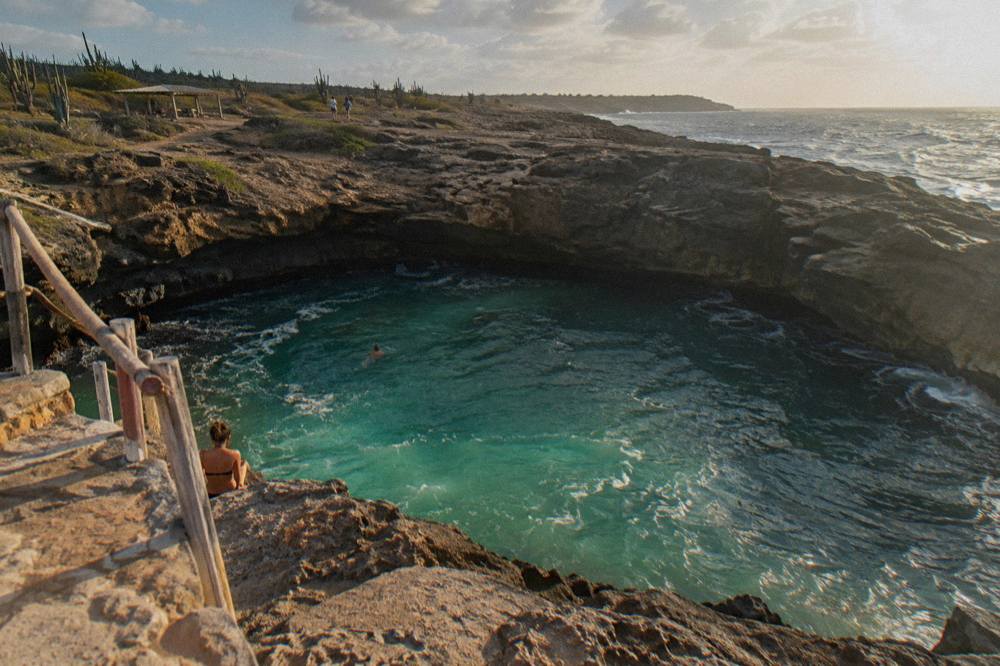
The Natural Pool, known locally as Conchi, is a small basin of trapped seawater circled by volcanic rock inside Arikok National Park, where surf sprays over the rim as the tide rushes in. Visitors swim and snorkel in the calm basin when conditions allow. It is the one Aruba activity that requires either a 4x4, a horse or a hike to reach, which is precisely its appeal. If the horse option sounds like the right fit, the Aruba horseback riding planning guide compares beach rides with the trail to Conchi.
The official Aruba tourism page describes the pool as a volcanic rock formation holding a natural depression, also called Cura di Tortuga, Turtles Cove. Swimming there is only safe when the ocean is calm; waves can crash over the rocks and conditions change quickly, so rangers and tour operators make the call on the day. Water shoes are strongly recommended on the sharp, slippery stone.
What turns the pool from a sight into a trip is the effort. Standard passenger cars are not permitted beyond the park checkpoints, the terrain is uneven with steep natural stone steps, and the site is not wheelchair accessible. Tours solve that. The Signature Jeep Tour gives you about 30 minutes at Conchi; the Caves Jeep tour allows 45; the Rancho Loco horseback ride arrives on horseback from the ranch. Same pool, three very different days out.
The tables below compare the main ways in.
| Tour | Style | Price | Rating | Time at Conchi |
|---|---|---|---|---|
| Signature Jeep Tour: Natural Pool and Baby Beach | Shared 4WD | From $78 per person | 4.9 from 1,718 reviews | 30 min |
| Natural Wonders Caves and Natural Pool Jeep Tour | Shared jeep | From $87 per person | 4.8 from 243 reviews | 45 min |
| Arikok National Park Jeep Safari: Natural Pool & Baby Beach | Open-air safari truck | From $95 per person | 4.9 from 505 reviews | 20 min |
| Sunrise Hike & Swim in Natural Pool | Guided sunrise hike | From $59 per person | 4.9 from 123 reviews | Hike arrival |
| Horseback Ride Tour to Natural Pool in Arikok | Horseback | From $155 per person | 4.9 from 1,270 reviews | Ride arrival |
Whether any swim happens on the day is always the sea's decision, and every listing here states free cancellation, which matters when the forecast is uncertain.
How Do You Get To Conchi Natural Pool?
Conchi is reached by foot, horseback or 4x4 only; a regular car cannot go, and standard passenger cars are not permitted beyond the park checkpoints. Experienced hikers can do it as a 3 to 4 hour round trip. An Arikok conservation day pass is required by law, USD 22 per adult, children under 17 free, sold at the San Fuego Visitor Center and the Vader Piet booth, not online.
That fee and access picture is the single most important planning fact on this page, so it earns its full explanation here and stays here. The pass is a park entry fee, not a pool fee, and it applies whether you arrive on a tour or under your own steam. Some tour listings include the park entrance, such as the Arikok Jeep Safari from $95 per person, while others list it as an exclusion, like the Signature Jeep Tour, where the entrance fee is excluded and paid separately. Check each listing's inclusions line before assuming anything. For the full fee breakdown, see the guide to Arikok National Park tickets and fees.
The driving question has a hard edge. ATVs, UTVs and motorbikes are prohibited inside the park's protected nature areas, so the many quad tours sold on the island run north-coast routes outside the park and never reach Conchi. One exception exists among the listings here: the UTV Adventure to Natural Pool, 5.0 from 7,302 reviews at from $399.68 per person, which rides the north coast and then transfers guests into a guide-driven jeep for the final section into Arikok. The UTV itself never enters the park. For the full picture on where these vehicles are actually allowed, see our plain-English guide to UTV rules across Aruba.
If you would rather walk, the sunrise hikes are the cheapest paid routes in. The Sunrise Hike & Swim at from $59 per person is a meeting-point tour with no transport, while the Arikok Sunrise Hiking Tour with Transportation at from $110 per person adds hotel pickup, water, fruit and the park entrance fee. The hiking-to-the-pool guide covers the trails in depth.
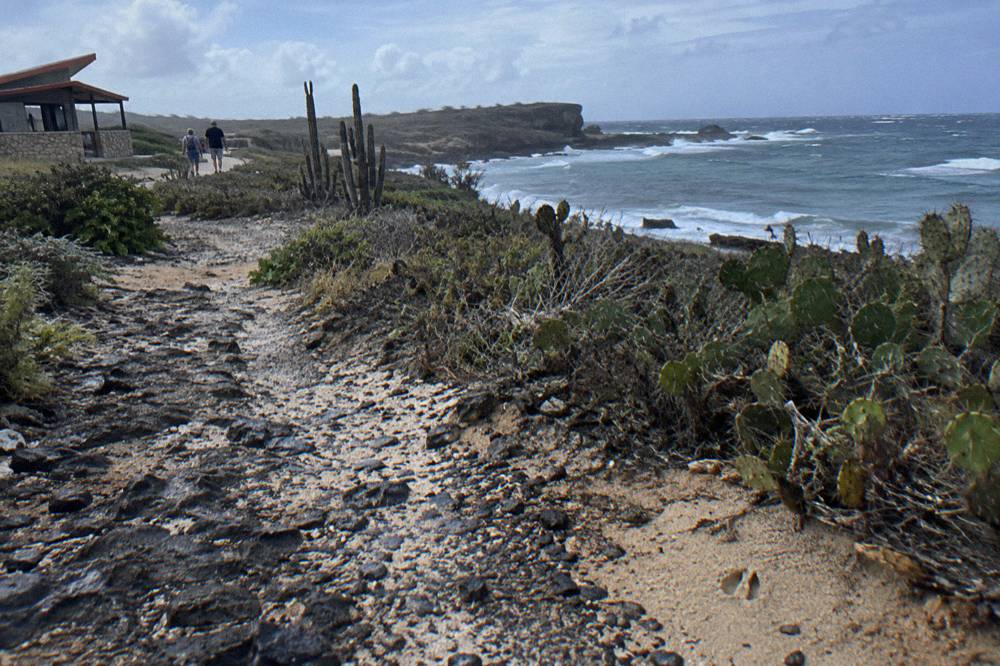
For travelers weighing a quad against a jeep, the honest summary is simple: if the Natural Pool is the goal, the way in is a jeep, a horse or your own feet. The ATV Off-Road Tour, 4.9 from 1,167 reviews at from $90 per person, is a good north-coast ride, but its own listing confirms Conchi and Arikok are not visited. Both can fit in one week, as long as nobody books the quad expecting the pool.
The Caves Jeep tour is a strong middle option for this decision. It is a shared jeep tour from $87 per person, 4.8 from 243 reviews, 4 to 6 hours, departing Aruba hotels and the cruise terminal, with bottled water, snacks and snorkel gear listed as included, and it drives into the park for 45 minutes at Conchi.
What Can You Do In Arikok National Park?
Arikok National Park offers marked hiking trails, caves with pictographs, lava, quartz diorite and limestone formations, and guided walks to bays including Moro, Boca Prins and Dos Playa, most of them led by rangers. The park spans 34 square kilometers, nearly a fifth of Aruba. A day pass covers everything; guided experiences inside the park are booked in advance through the foundation's reservations email.
The park is not just the pool. The Foundation lists ranger-led hikes on named trails, and the Aruba Tourism Authority highlights rock drawings, cave systems and the unusual geology of the north-east coast. Standard rental cars can reach the main roads, caves such as Fontein and Quadirikiri, and viewpoints, but the track to Conchi itself demands a high-clearance 4x4, which is why the jeep safari format exists.
Cave stops appear across the tour listings. The Natural Pool & Cave Safari: North Shore Adventure Tour, 4.8 from 555 reviews at from $116.73 per person, spends 6 hours on jeep transport with a light snack and 45 minutes at Conchi. Shorter loops, like the Baby Beach Jeep Adventure, compress caves and pool into 4 hours. The dedicated Aruba cave tours guide and the Arikok National Park guide break these down stop by stop.
Park rules shape the day more than most visitors expect. The official rules sign limits vehicles to 20 km/h, requires staying on park roads and indicated parking, prohibits drones, dogs, littering, rock stacking and collecting anything. Violations fall under Aruba law. None of this is onerous, but it explains why self-guided exploring is calmer than the internet suggests and why guided tours move at the pace they do.
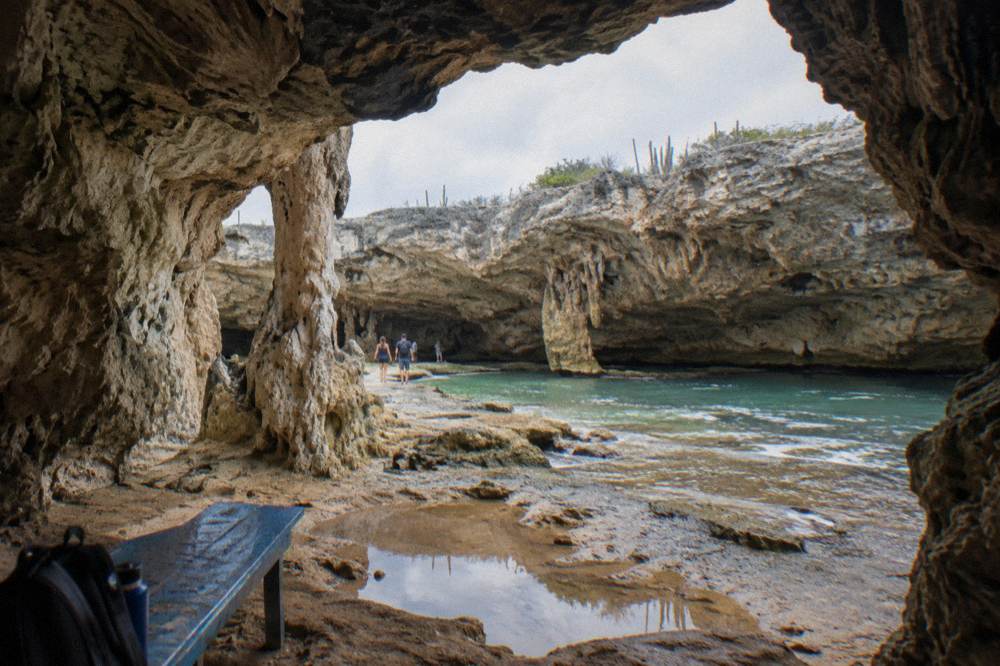

Guided ranger hikes inside the park are a separate product from the tour-company listings: the Foundation's own experiences run USD 25 per person on named trails, booked by email in advance. Those pair well with a jeep-safari day, since the ranger hikes cover interior terrain the driving tours skip.
Which Aruba Tour Style Suits Your Trip?
Jeep safaris suit most first-timers, shared 4x4 loops from $78 to $121.80 per person that reach Conchi in 20 to 45 minutes. Hikes suit budget and fitness-minded travelers, from $59 to $115 per person. Horseback rides suit riders, from $155 per person. Private jeep tours run from $211.55 to $600 per group. UTV and ATV tours are north-coast rides outside the park and never reach the pool.
That is the decision in one paragraph. The rest of this section explains the trade-offs, because the listing names blur together quickly and several near-identical-sounding jeep tours are genuinely different products with different operators, durations and inclusion lists.
For a five-hour middle ground, the Arikok National Park Jeep Safari at from $95 per person, 4.9 from 505 reviews, lists the park entrance fee, bottled water, snacks and hotel pickup as included and gives 20 minutes at Conchi in an open-air safari truck. It is the listing to check when you want the fee bundled and a longer park circuit.
Private options change the math for families of four or more. The Private Open Air Safari Jeep Tour runs from $211.55 per group, 4.9 from 380 reviews, over a 3 to 8 hour span; the Private Jeep Safari with snorkeling runs from $299 per group for 6 hours with park entry and snacks included; Cross Aruba's Private 4x4 tops the range at from $600 per group. Per-group prices only compare against each other, never against per-person listings.
| Trip style | Entry price | Example listing | Reaches Conchi? |
|---|---|---|---|
| Shared jeep safari | From $78 per person | Signature Jeep Tour | Yes, drives in, 30 min |
| Sunrise hike | From $59 per person | Sunrise Hike & Swim | Yes, on foot |
| Horseback ride | From $155 per person | Rancho Loco ride | Yes, on horseback |
| Private jeep | From $211.55 per group | Private Open Air Safari | Yes, drives in, 30 min |
| ATV north-coast ride | From $90 per person | Aruba Off-Road ATV Tour | No, ATVs barred from the park |
| UTV combo | From $399.68 per person | UTV Adventure with jeep transfer | Yes, via guide-driven jeep transfer |
Horseback deserves a special mention because it is the only way in that feels like part of the destination rather than transport. The Rancho Loco ride, 3 hours 30 minutes from $155 per person with hotel pickup and park fees included, enforces a maximum rider weight of 220 lbs fully clothed, as its listing states. The horseback ride to the Natural Pool guide covers tack, helmets and what to wear.
What Should You Know Before You Plan Your Days?
Plan around three constraints: every adult needs a USD 22 Arikok day pass bought at a gate, not online; the San Fuego Visitor Center sells passes until 3:30 pm and Vader Piet closes at 3 pm; and sea conditions, not schedules, decide swimming at Conchi on any given day. Aruba's dry season runs roughly February through June, the rainy season roughly September through January.
Those are the official limits. The pass-sales hours matter more than they look: a late-afternoon independent visit to the park is not possible, so tours that depart mid-morning align with the gate hours naturally. Cruise passengers should check their ship's all-aboard time against a tour's total duration, and name only listings whose own lines mention cruise-terminal departure; the Signature Jeep Tour, the Baby Beach Jeep Adventure and the Caves Jeep tour all list the cruise terminal.
Weather rarely wrecks an Aruba week. Official Meteo Aruba normals show the island semi-arid, with rain concentrated September through January and a mean wind that peaks in June, but those are airport figures from the south-west side, not north-coast readings. Rain showers usually fall in the early morning. The sea state at Conchi is a separate question entirely, and it is judged daily.
| Planning item | Figure | Source basis |
|---|---|---|
| Arikok day pass, adult | USD 22 | Park's own page |
| Children under 17 | Free | Park's own page |
| Cheapest listed pool tour | From $59 per person, sunrise hike | Listing |
| Signature shared jeep | From $78 per person | Listing |
| Ranger-led park hikes | USD 25 per person | Foundation experiences page |
| Dry season | Roughly February through June | Meteo Aruba normals |
Entry formalities are light. The Online ED Card is mandatory for air arrivals, completed within 7 days before travel on the official portal, with a USD 20 Sustainability Fee for most visitors aged 8 and older. Cruise passengers generally do not complete one unless the vessel requires Aruba immigration; check with the cruise line. What to carry to the pool itself, water shoes, water, reef-safe sunscreen, is covered fully in the what to bring to the Natural Pool guide.
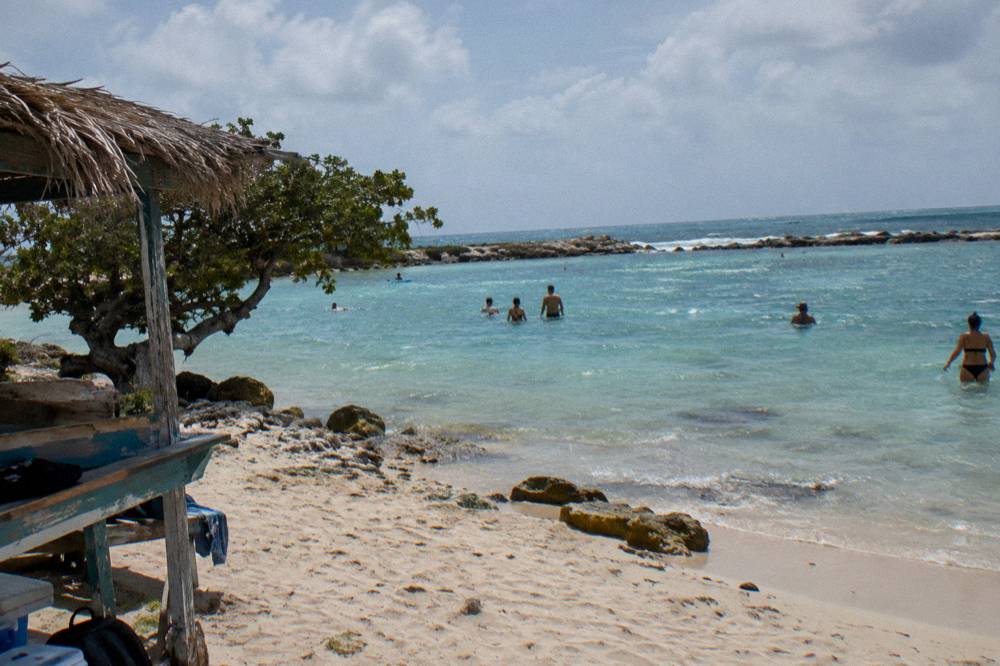
One item that deserves a paragraph of its own: Aruba's Natural Pool sits on the north-east coast, per the island's official tourism authority, exposed to the Atlantic swell rather than the calm leeward beaches. That is why the same island can offer glass-flat snorkeling at Baby Beach and wave-spray over volcanic rock an hour later. Booking a tour that includes both, as several jeep loops here do, lets you see the contrast without organizing it yourself.
The ATV question comes up constantly in planning forums, so it is worth answering with data. The Budget ATV listing, 4.9 from 1,167 reviews at from $90 per person, is a 4-hour guided ride with hotel pickup, bottled water and helmet included, and it is explicit that neither Conchi nor Arikok is visited. Riders must be 18 or older with a valid driver's license to drive, per the listing. It is a real activity, just not a pool activity.
How Do You Fit It All Into One Trip?
A comfortable first week pairs two east-side days with beach time: one shared jeep safari covering Conchi and Baby Beach, and one sunrise hike, horseback ride or north-coast quad day. Two tour days are enough for most travelers, because the jeep loops overlap heavily in stops. Keep one flexible morning spare in case sea conditions close swimming at the pool and a tour can be rebooked.
The overlap point matters for budgets. The Signature Jeep Tour, the Baby Beach Jeep Adventure and the Caves Jeep tour all reach Conchi and Baby Beach; choosing two of the three mostly buys a different vehicle, meal or cave stop rather than new terrain. A jeep day plus a hike day, or a jeep day plus a horseback day, covers far more of the island's range.
Timing within the day is the last lever. Sunrise departures beat the heat and the crowds, which is the explicit premise of the sunrise hike listings. Mid-morning jeep departures suit families and cruise schedules. Afternoons are for the leeward beaches, since park pass sales close in any case. However you arrange it, Aruba Natural Pool Tours exists to make the east side of the island easy to book with honest numbers.
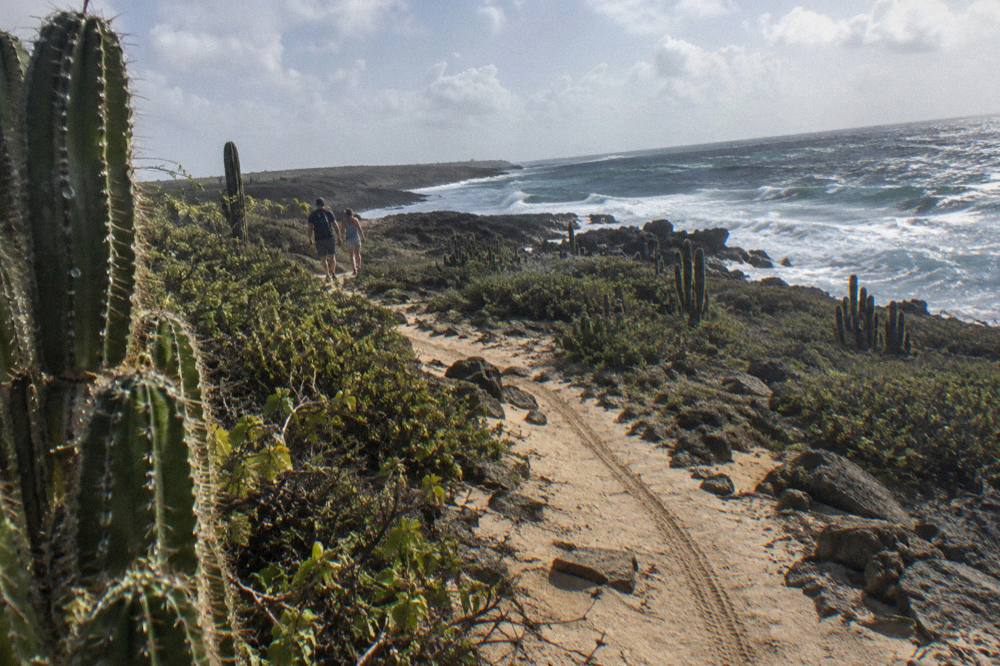
Prices, inclusions and sea conditions all move, so confirm the details that matter on the live listing for any tour you are seriously considering, and check the park's own page for the current pass price before you drive to a gate.
Common Questions About Things To Do In Aruba
What Are The Best Things To Do In Aruba Besides The Beach?
The east side of the island: the Natural Pool at Conchi inside Arikok National Park, the Arikok caves, the north-coast scenery around the California Lighthouse and the Baby Bridge, and Baby Beach at the southern tip. Shared jeep tours from $78 per person bundle several of these into one morning.
Can You Swim In The Natural Pool In Aruba?
Swimming is possible when ocean conditions are calm, and listings describe swimming and snorkeling in the basin. Waves can crash over the volcanic rim and conditions change quickly, so rangers and operators decide on the day. Follow posted warnings and wear water shoes.
How Much Does It Cost To Visit Arikok National Park?
The conservation day pass is USD 22 per adult, children under 17 free, bought at the San Fuego Visitor Center or the Vader Piet booth, not online. Some tour listings include the entrance fee and others exclude it; check the listing's inclusions line.
Can You Drive Yourself To The Natural Pool?
Only in a high-clearance 4x4. Standard passenger cars are not permitted beyond the park checkpoints, and the track is rough volcanic road. Most visitors without a suitable vehicle take a guided jeep tour or hike.
Do UTV And ATV Tours Visit The Natural Pool?
No. ATVs, UTVs and motorbikes are banned inside Arikok National Park, so quad tours run north-coast routes outside the park. One combo listing reaches Conchi by transferring guests into a guide-driven jeep for the final section.
What Should You Bring For A Natural Pool Tour?
Water shoes for sharp volcanic rock, reef-safe sunscreen, water, a swimsuit and a towel. The pool has limited facilities, with a small snack and refreshment stand often at the top of the stairs during the day. Bring your own canteen; several listings refill ice water.